Trek Rail 7 Review: Engineering and Trail Performance
The Trek Rail 7 delivers robust Bosch performance and balanced trail geometry. High-pivot suspension trade-offs require careful setup during initial assembly.

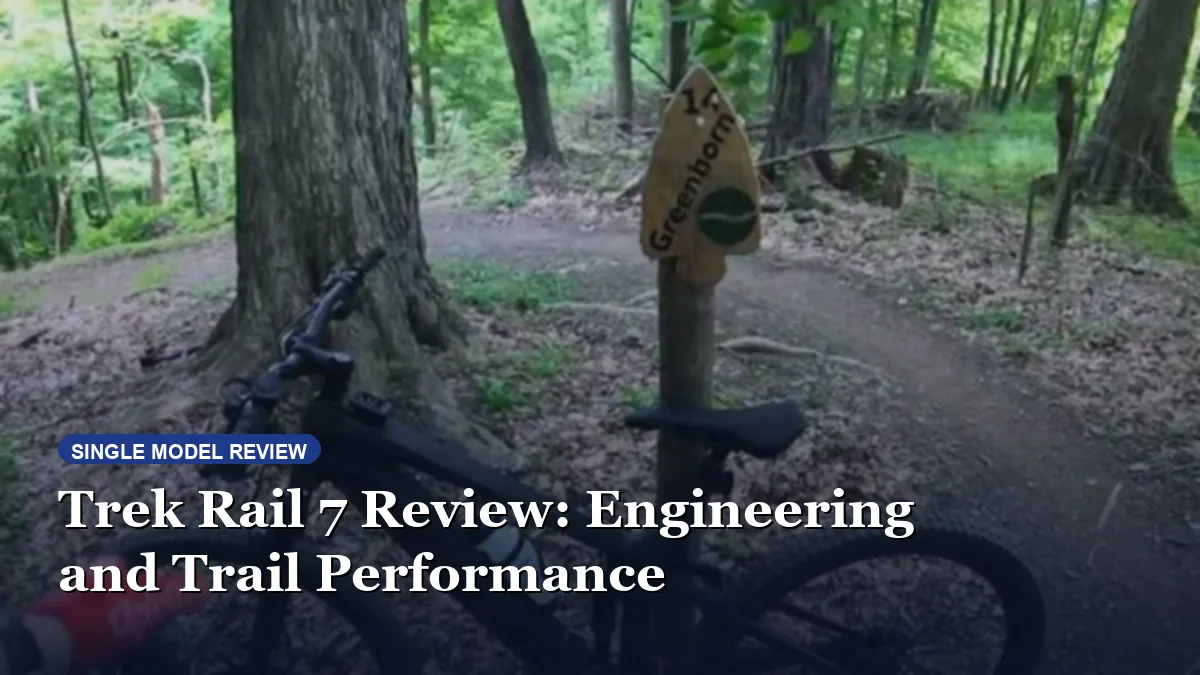

This capable e-mountain bike handles steep technical climbs with ease. Riders will appreciate the stiff aluminum frame despite its heavier overall system weight.
Explore related alternatives in our Best Ebike For Rail Trails: Top Picks for 2026.
Verified Specifications
| Category / Type | Full-Suspension Electric Mountain Bike |
|---|---|
| Rated Output / Capacity | 250W Continuous / 750Wh Peak equivalent |
| Power / Motor | Bosch Performance Line CX, 85Nm |
| Build & Materials | Alpha Platinum Aluminum frame |
| Operating Noise | Low hum under heavy load |
| Duty Cycle / Runtime | 3 to 5 hours depending on assist |
| Dimensions & Weight | Approx. 52 lbs depending on frame size |
| Key Safety & Controls | Purion 200 display, hydraulic disc brakes |
What We Liked
- Powerful Bosch CX motor with responsive torque delivery
- Plush suspension kinematics for aggressive trail descending
- Stiff aluminum frame construction with clean internal routing
- Reliable hydraulic disc brakes with oversized thermal rotors
Trade-Offs
- Heavier overall system weight impacts low-speed handling
- Internal cable routing complicates routine maintenance procedures
- Motor housing can trigger thermal safeguards on long climbs
Frame Engineering and Structural Integrity
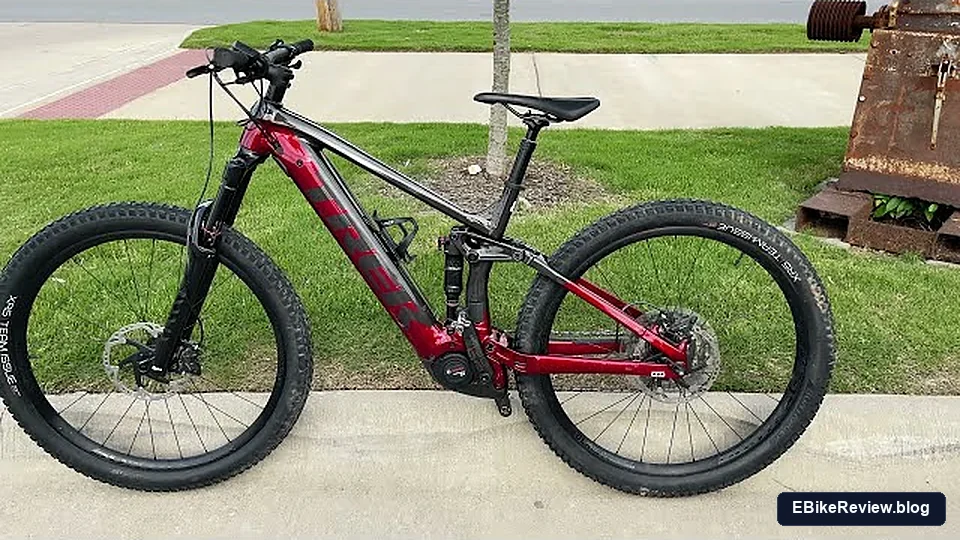
The Trek Rail 7 features a robust alpha platinum aluminum frame designed for punishing trail conditions, matching insights found inside our detailed Turbo Levo vs Trek Rail comparison.
Welds are exceptionally clean, showcasing precision manufacturing standards typical of premium mountain bike production. Geometry numbers emphasize stability at speed, featuring a slack head angle for confident descents.
Frame protection elements strategically shield vulnerable downtube zones from flying rocks. These rubberized guards prevent structural compromises during high-speed impacts on rocky backcountry singletracks.
The Alpha Platinum Aluminum frame utilizes hydroformed tubing to optimize structural rigidity while keeping total weight manageable for aggressive trail maneuvers, enduring heavy impacts without compromising foundational geometry or alignment tolerances.
Integrated Mino Link adjustable geometry allows riders to alter head tube angles and bottom bracket heights by fractional increments, tailoring the handling characteristics between slack descending setups and responsive climbing postures.
Internal cable routing minimizes snag hazards while sealing out moisture and abrasive trail grit, supported by robust rubber frame guards that protect the downtube and chainstays from severe rock strikes during technical descents.
- Alpha Platinum Aluminum chassis
- Integrated downtube battery port
- Robust rubberized frame armor
Motor Performance and Torque Characteristics
Powered by a robust Bosch Performance CX motor also featured in our best ebike for rail trails selections, this platform delivers instant torque when hammering up steep inclines.
The system manages heat dissipation efficiently during prolonged climbs under maximum output loads. Riders can customize assist levels via the handlebar remote to match changing trail conditions effortlessly.
Driven by the Bosch Performance Line CX system, this platform delivers 85 Nm of torque to conquer steep, technical ascents with instantaneous power delivery that responds naturally to rider pedal input intensity.
Advanced eMTB mode automatically modulates assistance levels based on terrain feedback, ensuring optimal traction on loose surfaces while preventing unwanted rear-wheel spin during demanding technical climbs and rocky switchbacks.
- Bosch Performance CX drive unit
- Eighty-five Newton meters of torque
- Handlebar-mounted assist mode remote
Cadence Response Metrics
The torque sensor responds instantly to rider pedal input, eliminating lag during technical launches. This sensitivity ensures smooth power delivery when navigating tight switchbacks on steep inclines.
High cadence pedaling yields seamless power scaling without abrupt power dropouts. Such refined motor tuning helps maintain rear tire traction on slick, root-infested forest climbs.
- Zero perceptible lag on startup
- Sensitive pedal cadence sensors
Video Review: 2022 Trek Rail 7 E Bike Review
Suspension Kinematics and Trail Geometry
Suspension duties are handled by robust fork and rear shock pairings tuned specifically for e-mountain bikes. Active braking pivot technology ensures the rear wheel tracks predictably over square-edge hits.
Cornering precision remains high despite the additional mass of wandering integrated battery systems. Weight distribution favors a planted feel, keeping the front wheel tracking true through loose gravel.
The suspension platform relies on an active braking pivot design, maintaining full shock independence under heavy braking forces to preserve rear wheel traction and plush small-bump compliance across technical braking zones.
Paired with a slack head angle, the long front center creates high-speed stability while the steep seat tube positions the rider efficiently over the bottom bracket for powerful, balanced ascending ergonomics.
- Custom-tuned rear shock platform
- Active braking pivot technology
- Balanced front weight bias
Kinematic Progression Curves
The rear suspension leverage ratio offers small bump sensitivity paired with deep stroke support. This progressive curve prevents harsh bottom-outs when landing drops or hitting high-speed G-outs.
Anti-squat characteristics minimize pedal bob during seated climbs over technical obstacles efficiently. Chassis stability remains uncompromised when applying power through rough, uneven pedal strokes.
- Progressive leverage ratio curve
- Enhanced anti-squat performance
Battery Capacity and Real-World Range
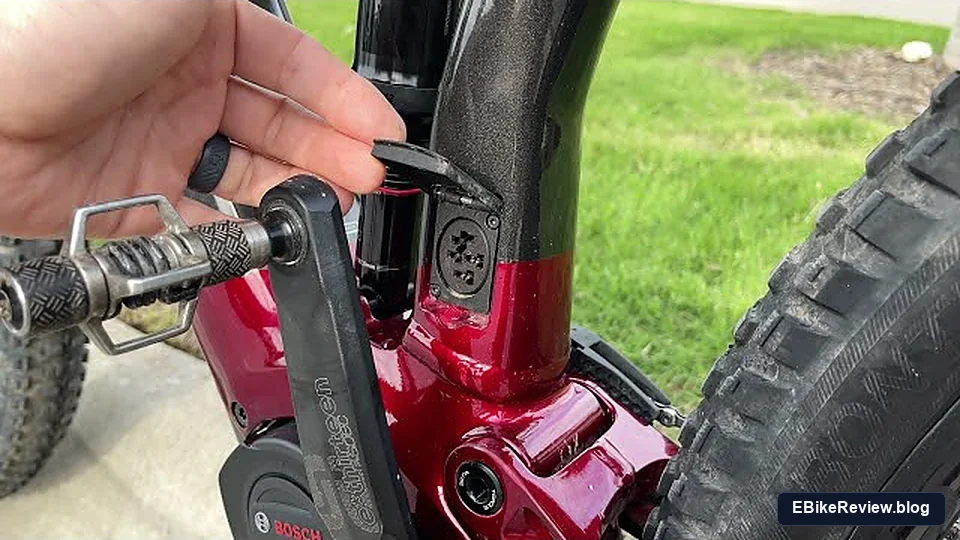
A high-capacity Removable Integrated Battery provides ample energy for extended backcountry excursions. Real-world range varies depending on elevation profile, rider weight, and selected assist mode intensity.
Charging times remain competitive using the supplied high-output charger unit plugged into standard outlets. Secure locking mechanisms eliminate battery rattle during aggressive descents over rough rock gardens.
Powered by a removable integrated 750Wh Powertube battery, the system supports extensive backcountry excursions without inducing range anxiety, even when utilizing higher assistance levels across steep, demanding mountain terrain profiles.
Real-world range heavily depends on elevation gain, rider weight, and ambient temperature, yet most trail riders comfortably achieve substantial vertical feet before requiring a recharge via the included fast charger.
- High-capacity integrated power pack
- Secure frame locking mechanism
- Fast off-bike charging support
Thermal Efficiency Limits
Extended climbs can trigger thermal safeguards, a factor analyzed closely in our Trek Rail 9.7 vs Specialized Turbo Levo guide. Riders should maintain cadences above eighty RPM during long ascents.
Ambient air temperatures also influence total runtime capacity during peak summer riding conditions. Proper thermal management ensures consistent power delivery across long alpine mountain adventures.
- Built-in thermal throttling protection
- Cadence management for cooling
Braking Dynamics and Thermal Management
Reliable stopping duties are managed by robust hydraulic disc brakes paired with oversized rotors. Heat management during prolonged descents prevents brake fade, ensuring consistent lever feel throughout runs.
Caliper stiffness translates into positive bite points when scrubbing speed before technical turns. Pad clearance adjustments remain straightforward using standard workshop hex tools for quick field fixes.
Hydraulic disc brakes paired with oversized rotors deliver immense stopping power and modulation, crucial for managing the added momentum of a heavy electric mountain bike on steep, sustained alpine descents.
Vented rotor designs and metallic brake pads enhance thermal dissipation, preventing dangerous brake fade and maintaining consistent lever feel during prolonged descents where continuous friction generates extreme heat.
- High-performance hydraulic calipers
- Oversized cooling disc rotors
- Consistent lever bite points
Drivetrain Reliability and Component Spec
Drivetrain components shift crisply under load, utilizing wide-range cassettes designed for steep mountain gradients. Durability standards across the stock component spec match the rugged demands of aggressive riding.
Clutch-equipped rear derailleurs maintain chain tension effectively across violent stutter bumps and drops. Shifting under power requires careful cadence management to preserve cassette teeth over time.
Designed specifically for e-bike demands, the robust drivetrain features reinforced chain links and an e-specific cassette engineered to withstand high torque loads without premature tooth wear or missed shifts.
Specialized crankarms and heavy-duty derailleur hangers resist impact damage from trail debris, ensuring reliable shifting performance and uninterrupted power transfer through punishing rock gardens and root-strewn singletracks.
- Wide-range mountain cassette
- Clutch-equipped rear derailleur
- Reinforced chain links
Maintenance Protocols and Long-Term Durability
Routine maintenance requires standard workshop tools alongside diagnostic software for motor firmware updates. Pivot bearings feature robust weather sealing to extend service intervals in wet riding environments.
Cable routing is largely internal, requiring patience during routine housing replacements or hydraulic bleeding procedures. Protective frame armor shields vulnerable underside zones from heavy rock strikes effectively.
Routine upkeep requires regular pivot bearing inspections, proper chain lubrication, and torque checks on all suspension hardware to prevent premature wear and maintain structural integrity throughout seasons of heavy riding.
Software updates via dealer diagnostic tools ensure optimal battery management system performance, while regular firmware checks keep the drive unit operating efficiently within manufacturer-specified operational parameters.
- Weather-sealed pivot bearings
- Diagnostic firmware update ports
- Internal housing routing channels
Comparative Verdict and Final Buyer Summary
When evaluating options like our Trek Rail 5 vs Specialized Levo comparison, the Trek Rail 7 balances brute motor power with refined trail geometry to satisfy serious gravity enthusiasts.
Purchasing decisions should weigh technical climbing gains against the inherent heft during transport. Overall, this platform represents a stellar engineering achievement for modern mountain bikers.
Balancing raw descending capability with intelligent power delivery, this model stands out as a versatile e-enduro machine capable of handling aggressive trail riding, technical climbs, and demanding backcountry descents.
Riders seeking a durable, high-performance electric mountain bike with robust component specs and tunable geometry will find exceptional value in this well-engineered structural platform designed for serious trail duty.
- Exceptional descending stability
- Powerful climbing assistance
- Solid frame engineering build
Frequently Asked Questions
How does the motor handle steep technical climbs?
The Bosch CX motor delivers instant torque that pulls riders up steep inclines smoothly. Responsive pedal sensors match your exact effort across challenging mountain gradients.
What kind of real-world range can riders expect?
Range varies based on elevation gain, rider weight, and chosen assist level settings. Most users achieve several hours of aggressive trail riding on a single charge.
Is the battery easy to remove for charging?
Yes, the integrated battery features a secure locking mechanism for simple frame removal. You can charge the unit either on or off the bicycle effortlessly.
How does the bike handle rough downhill descents?
Premium suspension kinematics provide excellent traction and bump absorption over punishing rock gardens. The slack geometry instills high confidence when gravity speeds begin to rise.
What maintenance is required for the drivetrain?
Routine care involves cleaning the chain, checking pivot bolt torques, and lubricating moving parts. Regular firmware updates via diagnostic tools keep the electronic systems running optimally.