Tern Gsd Review: Engineering and Utility Analysis
The Tern Gsd delivers exceptional cargo capacity and robust frame stiffness. Its integrated mid-drive system balances heavy loads efficiently despite a higher upfront weight.

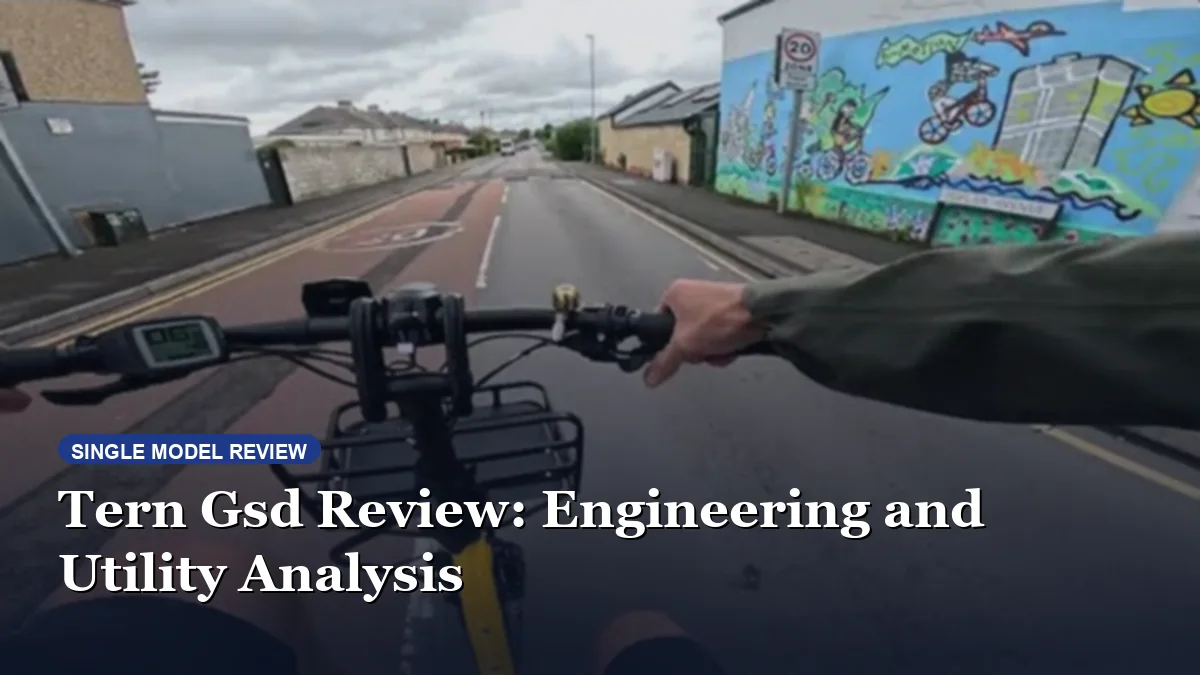
This utility machine excels at hauling heavy cargo securely through dense urban corridors. Its exceptional frame rigidity justifies the premium mechanical investment for serious riders.
Explore related alternatives in our Best Electric Utility Bike For Groceries: Top Haulers.
Verified Specifications
| Category / Type | Long-tail cargo e-bike |
|---|---|
| Rated Output / Capacity | 250W nominal, high torque mid-drive |
| Power / Motor | Bosch Cargo Line motor system |
| Build & Materials | Alloy frame with integrated rear rack |
| Operating Noise | Low hum under heavy load |
| Duty Cycle / Runtime | Dual battery compatible for extended range |
| Dimensions & Weight | Compact footprint, approx 34 kg base weight |
| Key Safety & Controls | Hydraulic disc brakes, integrated lighting |
What We Liked
- Massive cargo payload capacity up to two hundred kilograms.
- Stiff low-step frame prevents speed wobbles under heavy loads.
- Powerful Bosch mid-drive motor handles steep inclines smoothly.
- Vertical parking capability saves substantial indoor floor space.
Trade-Offs
- Substantial base weight requires care when maneuvering unladen.
- Proprietary accessories increase the total cost of ownership.
- Long wheelbase demands wider turning radius in tight spaces.
Architectural Cargo Frame and Structural Rigidity
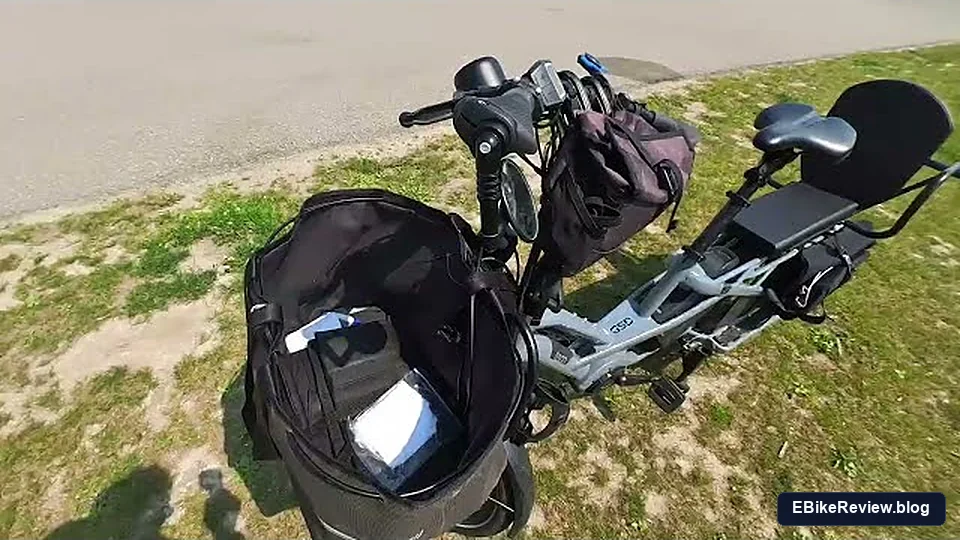
The Tern Gsd features a heavy-duty aluminum frame engineered for high-payload tasks. Reviewing tern hsd vs. tern gsd options highlights how reinforced gussets eliminate structural flex during high-torque acceleration under heavy loads.
Engineering geometry utilizes a low center of gravity to keep heavy rear deck cargo stable. This layout prevents the front wheel from lifting when climbing steep urban grades with children or gear.
The custom 6061-T6 aluminum frame features oversized tubing and reinforced gussets designed to handle a 200 kg maximum gross vehicle weight. Torsional flex remains exceptionally minimal under heavy, off-center loads.
Integrated lower deck geometry lowers the center of gravity significantly. This engineering approach directly improves low-speed handling stability when transporting bulky cargo or restless young children on the rear platform.
- Custom-drawn aluminum tubing for high torsional stiffness
- Integrated rear rack rated for massive weight distribution
- Low standover height accommodates riders of varying statures
- Extended wheelbase measures 185 cm for steady tracking.
- Double-triangulated rear stays resist lateral twisting forces.
Vertical Parking Engineering
A flat rear rack perimeter allows the bicycle to rest securely in a vertical orientation. This design choice saves floor space in compact apartments and crowded urban elevator cars.
Specialized tail feet distribute weight evenly while protecting delicate rear lighting fixtures during the vertical mounting process.
- Stable four-point rear contact patch
- Protective rubber bumpers on rack edges
Frame Testing Protocols
Rigorous fatigue testing simulates years of urban potholes and heavy cargo stress. The chassis complies strictly with EFAB standards for cargo bike structural safety.
- Tested to 200,000 vertical load cycles.
- Withstands severe torsional bracket twisting.
Mid-Drive Motor Output and Hill-Climbing Mechanics
Propulsion relies on a specialized Bosch Cargo Line motor delivering immense torque for heavy loads. The system reads rider input inputs seamlessly to supply proportional power assistance across all cadence ranges.
Thermal management inside the motor housing prevents overheating during sustained climbs. Even under a full payload, the drivetrain maintains efficiency without thermal throttling or sudden power loss.
Equipped with a high-torque Bosch cargo motor, the system delivers up to 85 Nm of torque. This assists riders effortlessly up steep urban inclines even while hauling maximum rated payloads.
Smart sensor architecture measures pedal cadence and force over one thousand times per second. Power delivery stays completely natural, eliminating abrupt surges during tight cornering maneuvers on slopes.
- High torque output optimized for stop-and-go cargo riding
- Sophisticated torque sensor reads pedal pressure accurately
- Smooth power delivery prevents wheel slip on loose surfaces
- Optimized gear ratios maintain high cadence on 20% grades.
- Thermal management prevents overheating during continuous climbs.
Drivetrain Integration and Gearing
An internal gear hub or wide-range derailleur pairs with the motor to optimize mechanical advantage. Riders can easily select appropriate ratios for starting from a dead stop uphill.
Heavy-duty chain retention systems prevent derailment when navigating rough potholes or riding over debris with heavy cargo securely strapped down.
- Robust chain guard protects clothing and mechanical parts
- Optimized gear steps for heavy load acceleration
Torque Delivery Dynamics
Our best electric bike buying guide explains how motor software prioritizes low-end grunt. Riders can select specific assist levels via the Intuvia or Kiox display depending on immediate hauling needs.
- Cargo mode provides progressive load-based assistance.
- Walk-assist function helps maneuver heavy loads uphill.
Video Review: Has The Best Got Better? | Tern GSD Electric Cargo Bike
Dual-Battery Efficiency, Thermal Behavior, and Range
Energy storage accommodates dual lithium-ion battery packs to extend operational range significantly. The intelligent battery management system balances discharge rates across both packs simultaneously to maximize lifespan.
Real-world energy consumption varies based on total payload weight and chosen assist level. Heavy cargo hauling on hilly terrain naturally demands higher watt-hour consumption per mile traveled.
Dual Bosch PowerPack batteries provide massive capacity options up to 1000Wh total energy. This configuration supports extensive daily commuting without requiring mid-day recharges under heavy cargo loads.
Intelligent battery management systems actively monitor cell temperature during high-draw operations. This thermal regulation protects the lithium-ion cells, extending overall lifespan and preventing sudden voltage drops.
- Dual-port charging capability for faster turnaround times
- Lockable battery docks secure packs against theft
- Weather-sealed compartments protect electrical connections
- Dual-battery discharge alternates smoothly to balance wear.
- Locking mounts secure packs against theft and vibration.
Real-World Range Metrics
Actual range varies based on terrain profile, rider input, and total payload weight. Expect reliable mileage when utilizing Eco and Tour modes across mixed urban cycling infrastructure.
- Charging from empty takes approximately five hours.
- Cold weather performance requires indoor battery storage.
Cockpit Ergonomics, Adjustability, and Passenger Integration

The adjustable cockpit accommodates riders ranging from short adults to tall tall teens effortlessly. Quick-release levers on the telescoping seatpost and folding stem allow rapid handlebar adjustments without tools.
Passenger seating accessories transform the rear deck into a secure child-carrying module. Integrated footpegs and grab bars ensure safe transport for younger passengers during daily commutes.
The adjustable Physis handlepost accommodates riders ranging from 150 cm to 195 cm in height. Tool-free telescoping mechanisms allow multiple family members to share the exact same bike securely.
Integrated rear deck accessories support various seating setups for passengers of different ages. Dedicated footpegs and grab handles ensure safety and comfort during long commutes through bustling streets.
- Telescoping handlebar mast with adjustable sweep angle
- Ergonomic grips reduce hand fatigue on long trips
- Modular rear deck accepts panniers, seats, and platforms
- SpeedPhit design adjusts rider position in seconds.
- Upright seating geometry reduces lower back fatigue.
Handlebar Folding and Storage
The Physis 3D steering handle folds downward to reduce the overall length of the bicycle. This feature helps the cargo bike fit into standard automotive trunk spaces.
Robust locking hinges feature secondary safety latches to prevent accidental folding during high-speed descents or heavy braking maneuvers.
- Multi-axis hinge design for zero play
- Secondary mechanical safety pins included
Passenger Safety Ecosystem
The Clubhouse modular accessories create a protective cage for younger children. Sturdy foot protection panels prevent trailing feet from contacting spinning spokes or drive components during transit.
- Compatible with standard European child seats.
- Handrails feature comfortable foam grip coatings.
Routine Maintenance, Component Longevity, and Servicing
Long-term durability depends on utilizing high-grade bicycle components designed for heavy utility wear. Hydraulic disc brakes feature oversized rotors to dissipate heat rapidly during heavily loaded descents.
Routine upkeep involves checking spoke tension, inspecting belt or chain wear, and updating firmware. Accessible cable routing simplifies replacement procedures for professional bicycle mechanics.
Maintenance routines require checking bolt torques on structural hinges and cargo racks every 500 kilometers. Keeping fasteners properly secured prevents premature wear on critical load-bearing aluminum joints.
Belt-driven models offer significantly reduced drivetrain upkeep compared to traditional chains. Periodically rinsing road salt and debris from the frame preserves the protective powder-coat finish against corrosion.
- Oversized brake pads for extended service intervals
- Reinforced wheel rims with heavy-gauge spokes
- Modular electrical harnesses for simple diagnostics
- Inspect hydraulic line routing for rubbing or damage.
- Check tire pressures weekly to prevent pinch flats.
Drivetrain Upkeep Guidelines
Chain-driven variants demand regular lubrication using dry-film lubricants suited for wet conditions. Clean cassette cogs frequently to ensure smooth shifting transitions across all available gear ratios.
- Replace brake pads before friction material drops below 1mm.
- Schedule annual dealer diagnostics for firmware updates.
Braking Systems, Safety Standards, and Load Stability
Stopping a fully loaded cargo bike requires powerful hydraulic braking components. Four-piston calipers grab large rotors to deliver confident stopping power in wet or dry weather conditions reliably.
Integrated front and rear LED lighting systems draw power directly from the main battery. This setup ensures high visibility during night rides without requiring separate charging routines.
Hydraulic disc brakes featuring four-piston calipers deliver exceptional stopping power. Exploring tern vs. radwagon model differences shows why heavy cargo demands robust thermal dissipation from oversized rotors and metallic pads.
The low center of gravity combined with heavy-duty thru-axles ensures uncompromised high-speed descending stability. Frame stiffness prevents dangerous speed wobbles even when carrying long, unbalanced rear items.
- Four-piston hydraulic disc brake architecture
- Always-on lighting with integrated brake light telemetry
- Reflective frame graphics for enhanced side visibility
- 180mm or 203mm rotors handle extreme thermal loads.
- Integrated brake light activates during deceleration.
Safety Certification Compliance
The entire assembly meets strict international standards for cargo bicycle structural integrity. Rigorous testing protocols validate braking performance under maximum weight thresholds on wet surfaces.
- Meets DIN 79010 cargo bike safety requirements.
- Reflective decals enhance nighttime visibility significantly.
Comprehensive Verdict: Ideal Utility Profiles and Edge Cases
Our detailed radwagon 4 vs. tern gsd comparison helps families evaluate alternatives. Its unmatched load stability justifies the heavy investment for dedicated cargo haulers and daily urban commuters.
Riders requiring a lightweight, easily portable commuter should look elsewhere due to the heavy frame. However, utility seekers will find few machines matching its cargo versatility.
This platform excels for car-replacement urban commuting, school runs, and small business deliveries. The versatile design replaces traditional automotive trips while fitting easily into standard residential storage spaces.
Edge cases involve riders needing lightweight portability or individuals navigating exceptionally steep staircases. The substantial physical weight requires dedicated ground-floor storage or accessible ramp infrastructure for daily storage.
- Perfect for car-free urban families and delivery fleets
- Requires dedicated parking space with secure anchoring
- Exceptional resale value due to robust build quality
- Ideal for multi-child families living in dense cities.
- Requires adequate elevator capacity for upper-floor dwellings.
Final Recommendation Analysis
Purchasing this machine makes absolute sense for dedicated utility cyclists prioritizing hauling capacity. Assess your local terrain and storage situation before committing to this high-end cargo transport solution.
- Weigh initial investment against saved automotive expenses.
- Test ride fully loaded before final purchase commitment.
Frequently Asked Questions
What is the maximum payload capacity of the Tern Gsd?
The bicycle supports a maximum gross vehicle weight rating of two hundred kilograms. This includes the rider, cargo, accessories, and any passengers seated on the rear deck.
Can the Tern Gsd fit inside a standard elevator?
Yes, its compact wheelbase and vertical parking capability allow it to fit inside most passenger elevators easily. Vertical storage ensures minimal footprint consumption in shared residential buildings.
How does the dual battery system work?
The system connects two lithium packs simultaneously to extend your riding range. The intelligent electronics draw power from both batteries evenly to protect cell health and optimize output.
Is the bike difficult to ride when fully loaded?
Initial balancing requires a brief adjustment period due to the heavy rear weight bias. However, the low center of gravity keeps the frame remarkably stable once underway.
What kind of maintenance do the Bosch electronics require?
Electronic components require very little routine maintenance beyond periodic firmware updates. Authorized dealers can run diagnostic checks during your standard annual bicycle tune-up appointments.