Super73 RX Mojave Technical Review
The Super73 RX Mojave combines robust moto-styling with rugged multi-terrain tires. However, its heavy chassis requires careful handling during technical low-speed maneuvers.

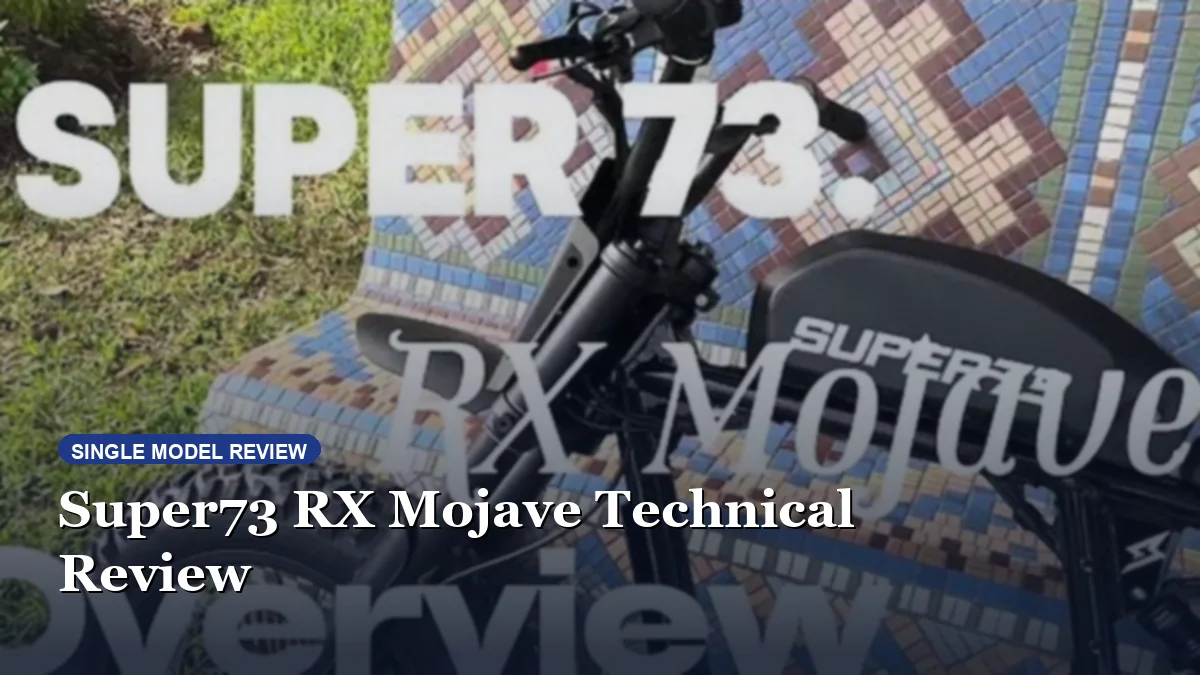

This machine delivers massive off-road capability and high-torque trail thrills. Just expect a heavy overall platform weight that challenges tight spatial storage setups.
Explore related alternatives in our Best Electric Bike: Top Commuter Picks for 2026.
Verified Specifications
| Category / Type | Moto-Inspired Electric Bike |
|---|---|
| Rated Output / Capacity | High-torque rear hub motor |
| Power / Motor | Class-compliant multi-mode throttle & PAS |
| Build & Materials | Heavy-duty aluminum alloy frame |
| Operating Noise | Low hum with tread vibration |
| Duty Cycle / Runtime | Variable based on throttle usage |
| Dimensions & Weight | Bulky moto profile with wide tires |
| Key Safety & Controls | Four-piston hydraulic disc brakes |
What We Liked
- Exceptional four-piston hydraulic stopping power for steep descents.
- Aggressive multi-terrain tires maintain traction on loose dirt.
- Fully adjustable suspension handles harsh drop-offs cleanly.
- Robust moto-inspired chassis offers long-term structural durability.
Trade-Offs
- Substantial total weight makes manual transport cumbersome.
- Stock seating position lacks traditional long-distance pedaling comfort.
- Proprietary replacement components require specific sourcing.
Structural Design and Frame Geometry
The Super73 RX Mojave utilizes a robust aluminum frame engineered to mimic classic moto proportions. This heavy-duty architecture provides exceptional torsional rigidity during high-speed off-road cornering maneuvers.

Geometry leans heavily into aggressive recreational riding rather than traditional commuter pedaling efficiency. Riders experience a forward-leaning posture that prioritizes active control over long-distance touring ergonomics.
The aluminum alloy frame utilizes oversized tubing to handle off-road stresses, measuring a substantial wall thickness designed to resist torsional flex during aggressive cornering maneuvers across rough terrain surfaces and loose dirt tracks.
Rider ergonomics rely on a fixed seat height positioned at thirty-two inches, complemented by wide handlebars that offer optimal leverage when navigating technical obstacles, steep inclines, or narrow singletrack pathways during weekend trail sessions.
- Moto-inspired aluminum frame architecture
- Rigid structural gussets for stress handling
- Forward-leaning cockpit for active control
Geometry Measurements
A rake angle of twenty-five degrees provides stable straight-line tracking at higher speeds, balancing trail self-centering tendencies with responsive steering inputs necessary for navigating tight urban corridors safely.
The wheelbase dimension spans roughly fifty-one inches, which matches specs found in our juiced hyperscrambler 2 vs super73 rx comparison to minimize rear-wheel slip during heavy acceleration on loose gravel.
Powertrain Output and Real-World Dynamics
A punchy rear hub motor drives this platform, delivering instant torque across varying dirt and pavement surfaces. Throttle response feels immediate, allowing riders to clear obstacles without hesitation.
Multiple riding profiles, explored in our juiced hyperscrambler 2 vs super73 s2 comparison, let users dial in power delivery to match trail regulations. Peak output handles steep inclines efficiently.
The rear hub motor delivers robust torque figures instantly upon throttle actuation, allowing riders to conquer steep inclines without experiencing noticeable thermal throttling or excessive stator heat accumulation during prolonged climbs.
Class-three operation modes unlock higher top speeds, requiring attentive throttle management and careful observation of local municipal regulations when commuting through congested metropolitan bicycle lanes and shared pathways.
- High-torque rear hub motor setup
- Customizable power delivery profiles
- Instant throttle engagement for obstacles
Motor Performance Metrics
Peak wattage outputs exceed nominal ratings during acceleration transients, demanding reliable controller firmware that prevents overcurrent trips while maximizing available battery discharge capacity under heavy loads.
Thermal sensors embedded within the stator windings monitor operating temperatures continuously, throttling current output automatically if internal housing limits approach critical safety thresholds during sustained hill climbs.
Video Review: Search filters
Suspension Engineering and Ride Compliance
Up front, an inverted coil-spring fork absorbs high-frequency trail chatter and heavy impact forces reliably. This component works in tandem with a sturdy rear mono-shock to smooth out rough terrain.
Suspension tuning remains fully adjustable, allowing heavier riders to dial in appropriate sag and rebound damping. Such customizability prevents bottoming out during aggressive drops and root-heavy descents.
Upfront inverted forks feature adjustable compression damping, allowing heavier riders to tune front-end dive resistance effectively while absorbing large impacts from hidden roots and severe potholes.
Rear dual shock absorbers utilize piggyback reservoirs to maintain consistent damping performance over repetitive washboard surfaces, preventing hydraulic cavitation during extended off-road excursion routes.
- Inverted front suspension fork design
- Adjustable rear mono-shock absorber
- Optimized impact damping for rough trails
Suspension Tuning Details
Spring pre-load adjustments must be calibrated carefully to match total payload weights, ensuring proper sag measurements that keep the chassis balanced across varied off-road and pavement environments.
Rebound settings control how quickly the suspension system returns to full extension after absorbing heavy impacts, eliminating unsettling pogo effects on uneven descents.
Braking Performance and Thermal Management
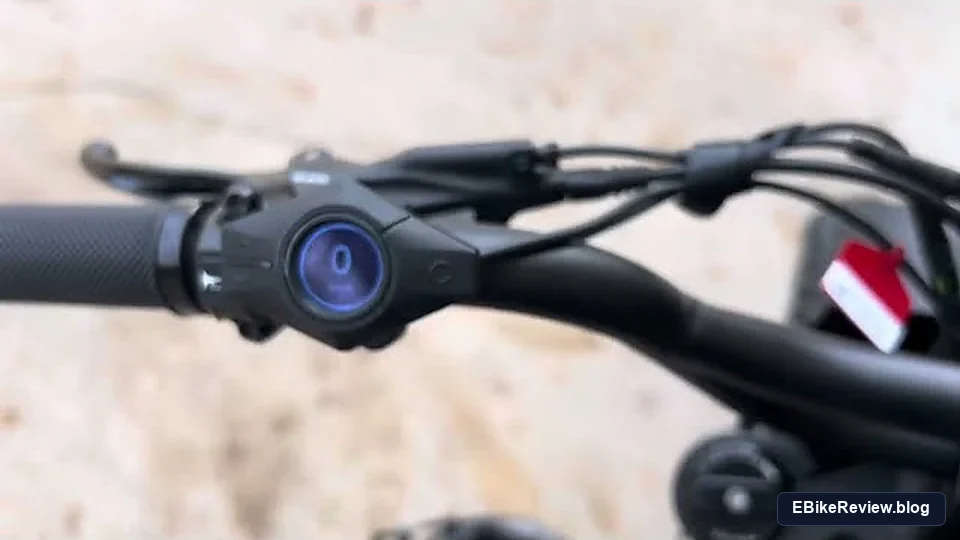
Stopping power relies on four-piston hydraulic calipers, similar to setups reviewed in our rad power radrunner 3 plus vs super73 s2 breakdown. Upgrading to specialized resin brake pads enhances initial bite.
During extended alpine descents, the braking system manages heat dissipation well to prevent sudden fade. Consistent lever feedback instills confidence when hauling down steep, loose-dirt paths at speed.
Hydraulic disc brakes utilize large diameter rotors to dissipate frictional heat rapidly, preventing brake fade during steep, continuous descents where sustained lever pressure is mandatory.
Metallic brake pads offer superior bite characteristics in wet conditions, though they produce slightly higher operational noise levels compared to organic compound alternatives during low-speed stops.
- Four-piston hydraulic braking calipers
- Silent resin pad compatibility
- Reliable thermal management under load
Brake Thermal Dynamics
Vented rotor designs promote crucial airflow across the braking surface, significantly reducing cool-down intervals following aggressive deceleration phases from maximum velocity on paved roadways.
Master cylinder reservoirs require periodic fluid bleeding to eliminate trapped air bubbles, preserving firm lever feedback and consistent stopping power throughout the maintenance cycle.
Efficiency, Noise, and Operating Duty Cycle
Electrical efficiency fluctuates based on throttle utilization, aggressive acceleration, and elevation changes. Running sustained high-output modes naturally diminishes overall battery range compared to conservative pedal-assist settings.
Acoustically, the motor operates with minimal hum, leaving tire tread noise on pavement as the primary sound. This low operating footprint fits well with quiet trail usage guidelines.
Battery cell arrangement optimizes current delivery efficiency, yielding dependable range metrics during mixed-throttle commuting cycles that feature frequent stops and rapid acceleration demands.
Audible motor signature remains remarkably low under normal operation, producing only a faint electromagnetic whine that blends smoothly into ambient street traffic white noise.
- Variable range performance profiles
- Whisper-quiet electric motor operation
- Optimized electrical duty cycle management
Operating Duty Analysis
Continuous high-output riding accelerates pack discharge rates, necessitating strategic power mode selection to preserve sufficient reserve capacity for the return journey home.
Electronic controllers regulate current spikes effectively, protecting sensitive battery management systems from premature degradation under heavy cargo loads and adverse weather conditions.
Setup, Maintenance, and Long-Term Durability
Initial assembly requires torque-checking major frame bolts and aligning the heavy mechanical components properly. Routine upkeep centers on inspecting hydraulic fluid lines and replacing worn four-piston brake pads.
Frame finishes resist corrosion well, but exposed fasteners require periodic anti-seize treatment in wet environments. Overall component longevity remains high when regular cleaning schedules are strictly followed.
Initial assembly requires precise torque specifications on handlebar clamps and axle fasteners, preventing structural loosening caused by constant vibrational forces during daily commuting.
Routine maintenance schedules demand regular chain lubrication, pivot bearing inspections, and spoke tension checks to ensure structural integrity across rough operational environments.
- Straightforward initial hardware assembly
- Regular hydraulic brake pad inspection
- Corrosion-resistant frame coating application
Long-Term Upkeep Protocols
Store the battery pack at moderate ambient temperatures with a fifty percent charge state if left unused for extended winter storage periods to prevent permanent capacity loss.
Inspect wiring harness connectors frequently for moisture intrusion or corrosion buildup, applying dielectric grease liberally to maintain reliable electrical connectivity year-round.
Buyer Verdict and Competitive Positioning
This rugged electric machine suits adrenaline seekers who prioritize aggressive styling and dirt capability over casual commuting. Its distinct design stands apart within the crowded e-bike marketplace.
Riders seeking lightweight portability should review options in our super73 s2 vs juiced scrambler comparison instead. Ultimately, the Mojave rewards those who embrace its moto-inspired identity.
The overall package delivers exceptional utility for riders seeking a rugged utility platform capable of handling mixed terrain surfaces without requiring constant mechanical adjustments.
Competitive alternatives often lack the robust frame construction and heavy-duty suspension components found here, solidifying its strong position within the premium lifestyle segment.
- Targeted specifically at off-road enthusiasts
- Stands out via unique moto styling
- Demands dedicated lifting and storage space
Competitive Summary
Evaluating functional priorities helps prospective buyers determine whether the heavy chassis weight and wide profile align with their specific storage and commuting requirements.
Ultimately, prioritizing off-road capability over nimble lightweight handling makes this machine an outstanding choice for enthusiasts tackling unpaved weekend adventure trails.
Frequently Asked Questions
How do I maintain the four-piston hydraulic braking system?
Inspect your hydraulic lines regularly for leaks and replace worn resin pads as needed. Keeping rotors clean ensures optimal stopping power during steep trail descents.
Is the suspension adjustable for different rider weights?
Yes, both the front fork and rear mono-shock feature external adjustment controls. Properly tuning these components prevents bottoming out over harsh drop-offs.
What kind of terrain handles best on this machine?
The knobby tire profile thrives on loose dirt, gravel, and unpaved trails. Pavement riding is smooth, though knobby tread generates minor road hum.
How does the battery handle continuous high-speed throttle use?
Heavy throttle application significantly reduces overall runtime compared to moderate pedal-assist levels. Managing power modes preserves battery life during extended off-road excursions.
Is this e-bike easy to transport in a standard car?
Its heavy frame and bulky dimensions make car trunk loading quite challenging. Owners typically rely on heavy-duty hitch racks rated for electric motorcycles.