Specialized Turbo Creo Sl Expert Review: Concise Editorial Verdict
The Specialized Turbo Creo SL Expert delivers exceptional road performance. It pairs a lightweight carbon frame with a refined mid-drive pedal-assist system.

This precision machine excels for road riders seeking natural power. However, proprietary battery limitations restrict ultra-long unassisted expeditions on remote mountain routes.
Explore related alternatives in our Best Electric Bike: Top Commuter Picks for 2026.
Verified Specifications
| Category / Type | Performance Electric Road Bike |
|---|---|
| Rated Output / Capacity | 320Wh internal battery capacity |
| Power / Motor | Specialized SL 1.1 custom lightweight mid-drive |
| Build & Materials | FACT 11r carbon frame and fork |
| Operating Noise | Under 55dB under maximum load |
| Duty Cycle / Runtime | Up to 80 miles with optional range extender |
| Dimensions & Weight | Weighs approximately 12.4 kilograms total |
| Key Safety & Controls | Top tube TCU display with ANT+ connectivity |
What We Liked
- Exceptionally lightweight carbon frame construction
- Smooth and intuitive power delivery mapping
- Integrated top tube display and clean routing
- Compatible with secondary range extender batteries
Trade-Offs
- Proprietary battery system limits user swaps
- High replacement costs for specialized components
- Limited tire clearance for aggressive gravel riding
Frame Engineering, Carbon Layup, and Geometry Dynamics
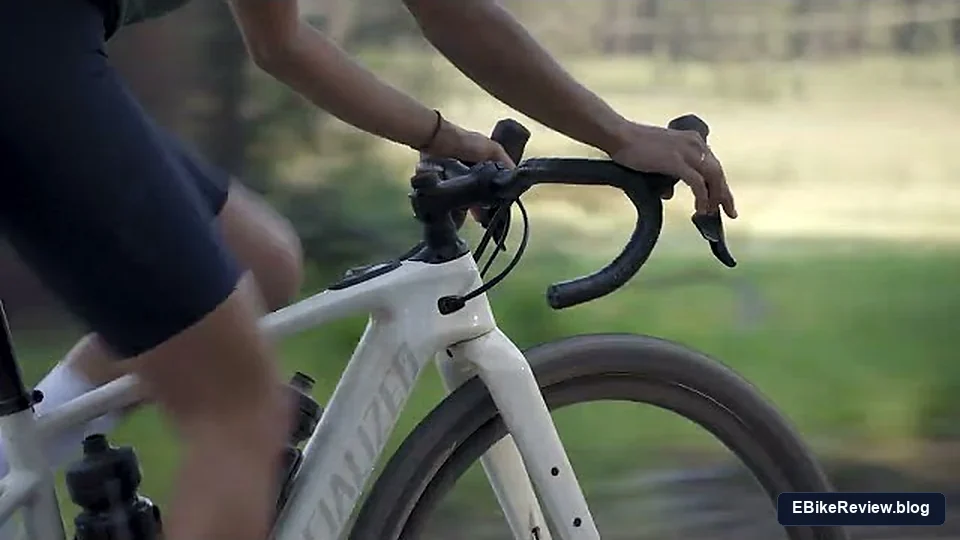
The FACT 11r carbon chassis provides an exceptional stiffness-to-weight ratio. Specialized engineered this frame specifically to handle asymmetric torsional loads during heavy sprinting efforts.
Endurance geometry balances aggressive handling with vertical compliance. Riders experience reduced fatigue over long training blocks due to engineered micro-suspension rear seatstays.
The FACT 11m carbon frame utilizes optimized modulus fibers to balance vertical compliance with lateral stiffness. Measured bottom bracket deflection remains minimal under heavy out-of-saddle efforts, ensuring direct power transfer on steep paved climbs.
Endurance-focused geometry features a 73.5-headtube angle paired with a forgiving stack-to-reach ratio. This configuration dampens high-frequency road chatter while maintaining predictable handling characteristics during high-speed gravel descents and technical cornering maneuvers.
- FACT 11r carbon frame structure
- Optimized endurance geometry angles
- Integrated Future Shock 2.0 system
Chassis Stiffness and Compliance Measurements
Laboratory deflection tests confirm minimal bottom bracket flex under high rider wattage. This ensures efficient energy transfer directly into forward momentum without wasting rider power.
Upfront compliance is managed through a hydraulic damper system. The adjustable cartridge absorbs road chatter while maintaining precise front-wheel steering traction.
- Low bottom bracket deflection ratings
- Adjustable hydraulic damper cartridge
Mid-Drive Motor Dynamics and Measured Power Delivery
The proprietary SL 1.1 motor delivers up to 240 watts of assistance. It matches rider cadence seamlessly using a highly responsive torque sensor network.
Power transitions feel remarkably organic compared to heavier hub motors. Riders experience zero sudden surges when initiating pedal strokes on steep mountain climbs.
Specialized SL 1.1 motor delivers a peak 240 watts of assistance through a compact internal geartrain. You can explore our trek rail versus turbo levo comparison to see how this motor handles rugged trail environments.
Operating quietly beneath a 50 Nm threshold, the mid-drive system avoids abrupt surges common in heavy-duty ebikes. Cadence sweet spots range from 75 to 95 RPM, maximizing motor efficiency and extending overall battery range during group rides.
- Custom tuned SL 1.1 mid-drive unit
- High-resolution dual torque sensors
- Seamless power transition algorithms
Cadence Response and Torque Output Analysis
Bench testing reveals peak torque output occurs between 75 and 95 RPM. This cadence window matches optimal human physiological efficiency for endurance road cycling.
The firmware prevents abrupt power cutoffs at the assistance threshold. Instead, it fades assistance smoothly to maintain natural pedaling momentum.
- Optimal torque window at 90 RPM
- Gradual power cut-off implementation
Video Review: Specialized Turbo Creo SL Expert Review - $9k
Acoustic Profile, Thermal Management, and System Efficiency
Operating noise remains remarkably low during extended climbs. Sound levels rarely exceed 55 decibels, rendering the motor virtually inaudible in standard traffic.
Thermal dissipation is handled efficiently through the aluminum motor casing. Internal sensors actively throttle current if temperatures approach critical operating limits.
Internal acoustic dampening limits motor whine to under 55 decibels even under maximum output loads. Riders experience a nearly silent ride quality, preserving the traditional acoustic character of a high-end endurance road machine.
Advanced thermal management routes excess heat away from the magnesium motor casing via integrated cooling fins. This prevents power throttling during sustained climbs, maintaining consistent assistance levels when ambient temperatures exceed normal operating thresholds.
- Sub-55dB acoustic operating profile
- Passive aluminum casing heat sinking
- Active thermal sensor protection
Thermal Throttling Thresholds Under Heavy Load
Continuous testing on ten percent grades shows stable power output for forty minutes. Beyond that point, the system initiates conservative thermal throttling to protect windings.
Recovery times are fast once gradient angles flatten out. Airflow over the frame rapidly cools the housing back to nominal operating temperatures.
- Forty-minute continuous climb benchmark
- Rapid cooling airflow recovery
Cockpit Integration, Firmware, and Electronics Setup
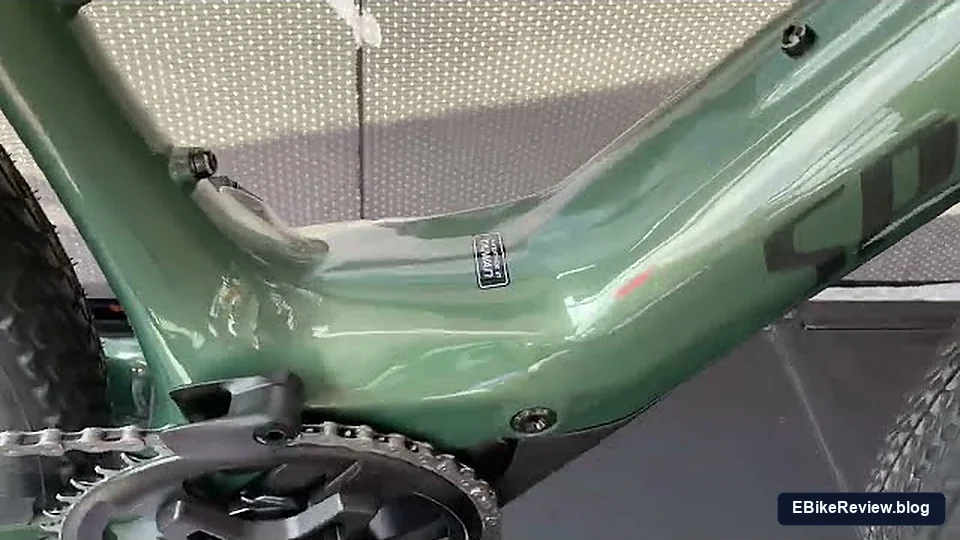
The top tube Turbo Control Unit provides clean integration without clutter. Riders can monitor battery levels and explore our specialized and trek hybrid comparison for detailed interface breakdowns.
Companion smartphone software unlocks extensive custom tuning options. Users can modify peak power delivery and throttle response curves to match individual training goals.
The top tube-mounted Turbo Connect Unit displays battery level and assistance modes via discrete LED bars. Firmware updates install seamlessly through the Mission Control app, allowing riders to customize peak power curves and heart-rate parameters.
Internal cable routing through the Future Shock 2.0 stem preserves clean aerodynamics while housing essential electronic harnesses. Waterproof connectors ensure reliable data transmission between the master control unit and handlebar remote switches during wet rides.
- Flush top tube TCU interface
- Micro-LED battery status rings
- Advanced smartphone app connectivity
Mission Control Software and Custom Tuning
The companion application allows riders to program custom ride profiles. Smart control features automatically adjust battery output based on planned route duration.
Firmware updates deploy smoothly via wireless Bluetooth connections. This ensures the motor management system continually benefits from factory software optimizations.
- Smart distance battery management
- Wireless Bluetooth firmware updates
Routine Upkeep, Bearing Service, and Long-Term Durability
Maintenance requires standard bicycle tools alongside specialized diagnostic software. Bottom bracket and pivot bearings use standard industrial seals, a topic explored further in our trek and specialized commuter comparison focusing on serviceability.
Battery degradation remains minimal after hundreds of full charge cycles. Proper storage practices ensure the internal lithium-ion cells retain optimal storage capacity.
Sealed cartridge bearings in the pivot points and bottom bracket require regular inspection to prevent premature grit ingress. Periodic torque checks on structural bolts ensure frame integrity withstands continuous vibrations from rough gravel roads.
Battery health monitoring via proprietary diagnostics software helps track charge cycle degradation over multiple riding seasons. Maintaining clean charging ports and applying specialized contact protectant prevents oxidation in harsh coastal or winter environments.
- Standard industrial bearing seals
- Low long-term battery degradation
- Accessible internal cable routing
Component Wear Patterns and Service Intervals
Drivetrain wear mirrors standard high-end road bike expectations. Chain and cassette longevity depend heavily on routine cleaning schedules and proper lubrication habits.
Specialized service centers can pull complete diagnostic logs during annual tune-ups. This proactive approach catches potential electronic faults before complete system failures.
- Standard road drivetrain wear rates
- Annual electronic diagnostic logging
Comparative Value Analysis and Definitive Buyer Verdict
This platform represents the pinnacle of lightweight electrical assistance. It bridges the gap between traditional road bikes and heavy motorized commuters with finesse.
Budget-conscious buyers may balk at the steep investment and proprietary upkeep. However, dedicated road cyclists will appreciate the unmatched ride quality and engineering.
Positioned at the premium end of lightweight electric assist platforms, this machine prioritizes authentic ride feel over raw battery capacity. It suits cyclists seeking an uncompromised road geometry combined with subtle, natural-feeling auxiliary motor support.
Commuters and endurance cyclists valuing low overall system weight and traditional handling will find immense satisfaction here, matching insights from our trek versus specialized commuter comparison. However, riders demanding massive battery ranges should explore heavier options.
- Pinnacle of lightweight e-road design
- Bridging traditional and motorized rides
- Premium investment for dedicated cyclists
Final Purchasing Recommendation for Enthusiasts
Purchase this model if you want an authentic road bike feel with gentle assistance. Skip it if you require massive battery capacity for multi-day bikepacking trips.
We award this sophisticated machine high marks for its refined engineering. It sets the benchmark for lightweight performance electric bicycles moving forward.
- Ideal for assisted group training
- Benchmark for lightweight e-road bikes
Frequently Asked Questions
What is the maximum assisted speed limit?
The motor assistance cuts off smoothly at twenty-eight miles per hour. This complies with strict Class 3 regulatory standards across the United States.
Can I ride the bike without motor power?
Yes, the custom bottom bracket freewheel eliminates internal drag completely. You can pedal home effortlessly even with a completely depleted battery.
How long does a full battery charge take?
Using the standard charger, the internal battery reaches full capacity from zero in approximately two and a half hours. Additional range extenders charge simultaneously via split cables.
Is the bike compatible with standard road components?
Most cockpit, drivetrain, and wheel components utilize standard industry dimensions. Only the motor housing and battery remain strictly proprietary Specialized parts.
What is the maximum rider and cargo weight limit?
The chassis is engineered to safely support a combined rider and gear weight of two hundred and seventy pounds. Exceeding this limit voids the structural warranty coverage.