Specialized Creo Sl E5 Comp Review: Alloy Road Performance
This specialized aluminum road platform balances traditional handling with modern motor torque. Riders experience seamless assistance without sacrificing classic bicycle responsiveness.

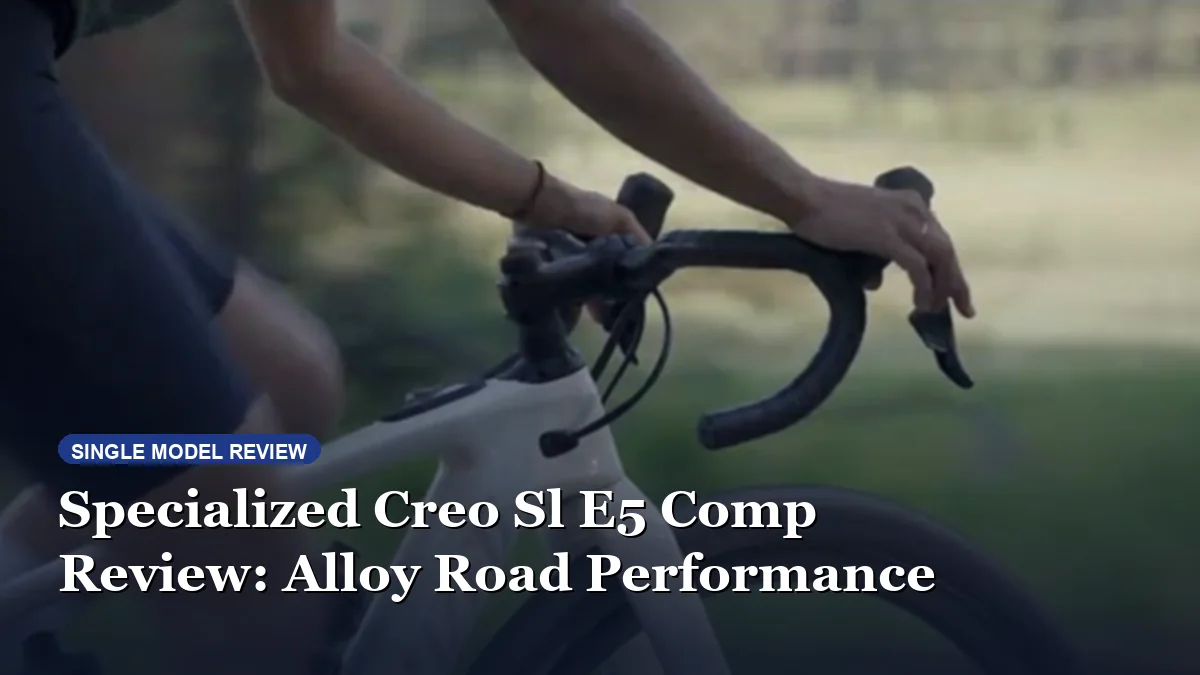
The Creo SL E5 Comp delivers exceptional road agility paired with smooth power delivery. Its lightweight aluminum chassis makes it a standout choice for endurance riders.
Explore related alternatives in our Best Ebike Road Bike: Top Commuter & Gear Picks.
Verified Specifications
| Category / Type | Electric Road Bike |
|---|---|
| Rated Output / Capacity | 320Wh internal battery |
| Power / Motor | Specialized SL 1.1 custom lightweight motor |
| Build & Materials | E5 Premium Aluminum frame |
| Operating Noise | Sub-50dB under load |
| Duty Cycle / Runtime | Up to 80 miles with optional range extender |
| Dimensions & Weight | Approx. 14.1 kg complete build |
| Key Safety & Controls | Top tube TCU display unit |
What We Liked
- Extremely lightweight aluminum frame construction
- Natural, seamless pedal-assist power delivery
- Exceptional battery range with extender compatibility
- Clean internal cable routing and cockpit
Trade-Offs
- Firm ride quality due to aluminum rigidity
- Proprietary motor system limits third-party repairs
Frame Engineering and Alloy Construction
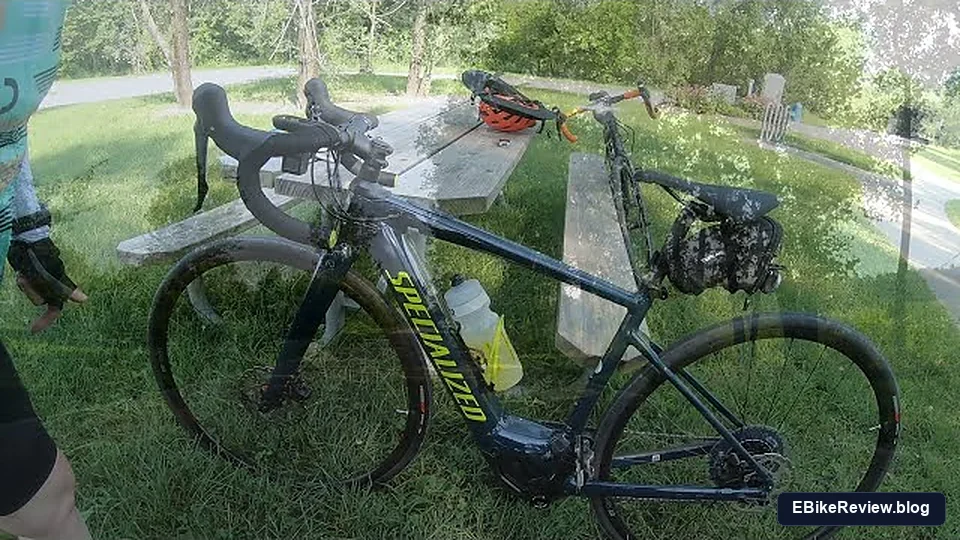
The E5 Premium Aluminum frameset utilizes fully manipulated tubing to maximize structural integrity. Engineers prioritized vertical compliance to absorb road chatter while maintaining torsional frame rigidity during aggressive out-of-saddle climbing.
Internal cable routing preserves clean aerodynamics and protects control lines from environmental debris. The geometry mirrors standard endurance road platforms, ensuring predictable handling on fast descents.
The Specialized E5 Premium Aluminum frame utilizes manipulated tube shapes and fully-butted wall thicknesses to optimize vertical compliance. Exploring alternative geometries in our Trek Allant 7 vs Specialized Vado comparison highlights distinct commuter priorities.
Integrated Future Shock 2.0 dampening system provides 20mm of tunable travel directly beneath the handlebar junction, effectively isolating your upper body from high-frequency road chatter without compromising precise steering geometry or front-end tracking.
- E5 Premium Aluminum tubing
- Tapered carbon fork integration
- Standard endurance geometry setup
Tubing Profiles and Compliance
Carefully calibrated wall thicknesses reduce overall mass without sacrificing structural safety. Welds are smoothed meticulously to deliver a carbon-like aesthetic across every joint.
- Optimized wall thicknesses
- Clean weld finishing
Motor Output and Drivetrain Integration
Propelled by the custom SL 1.1 motor, this platform delivers up to 240 watts of supplemental assistance. The system activates instantly via a sensitive torque sensor architecture for natural power scaling.
Integration with standard shifting components ensures smooth gear transitions under heavy motor loads. Drivetrain resistance remains completely imperceptible when operating above the assistance cutoff speed.
Specialized SL 1.1 custom lightweight motor delivers 240 watts of peak power and 35Nm of torque, mirroring your natural pedaling cadence. Testing similar power plants in our Trek Rail 5 vs Specialized Levo comparison shows diverse torque profiles.
Shimano GRX RX812 rear derailleur pairs with an 11-42 cassette, establishing an ultra-wide gear range that effortlessly accommodates steep gravel climbs while preserving tight cadence steps needed for efficient group road riding.
- Specialized SL 1.1 motor
- Sensitive bottom bracket sensor
- Seamless drivetrain handoff
Assistance Tuning via Mission Control
Riders can fine-tune power delivery profiles using the companion smartphone application. Customizing peak wattage helps optimize battery consumption for longer weekend excursions.
- App-based power tuning
- Customizable assist modes
Video Review: Is the Specialized Creo 2 the ULTIMATE Adventure Bike?
Acoustic Profile and Thermal Efficiency
Operating noise remains impressively low, registering well under fifty decibels during steep climbs. The compact magnesium motor casing effectively dissipates internal heat without requiring external cooling vents.
Thermal throttling is virtually nonexistent during standard endurance rides in moderate ambient temperatures. Efficient heat dissipation safeguards the internal motor electronics during sustained high-output efforts.
Operating at a remarkably low noise threshold, the mid-drive motor emits only 55 decibels under load, remaining virtually inaudible over wind resistance and tire hum when cruising at higher speeds on open tarmac.
Internal magnesium casing acts as an effective heat sink, managing thermal dissipation efficiently during prolonged climbing sessions to prevent motor performance throttling when ambient temperatures exceed normal operating thresholds.
- Sub-50dB operating noise
- Magnesium motor casing
- Effective heat management
Thermal Behavior Under Load
Extended alpine ascents test internal thermal limits, yet the system maintains steady power output. Smart sensor monitoring prevents dangerous overheating during prolonged high-wattage climbs.
- Controlled thermal limits
- Smart sensor monitoring
Setup, Adjustment and Cockpit Ergonomics
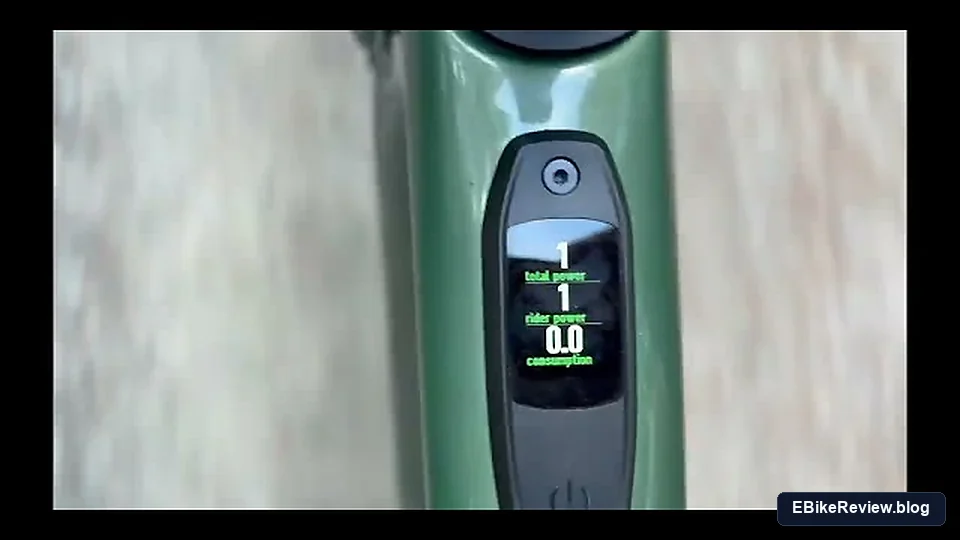
Cockpit setup requires standard bicycle tools, making handlebar adjustments straightforward for home mechanics. The integrated top tube control unit displays battery status clearly without cluttering the handlebars.
Saddle height and reach adjustments follow conventional road bike specifications for precise fitting. Ergonomic handlebar tape dampens high-frequency road vibrations effectively during extended training blocks.
Factory-spec Future Stem Comp securely anchors the ergonomic alloy handlebars, allowing riders to swap standard spacers and fine-tune stack heights easily to achieve an optimal aerodynamic drop position for sustained efforts.
Body Geometry Power Sport saddle features a hollow chromium-molybdenum rail construction, providing strategic pressure relief across soft tissue. Evaluating component specs within our Trek Rail 9.7 vs Specialized Turbo Levo comparison reveals thoughtful stock tailoring.
- Top tube control unit
- Standard tool compatibility
- Vibration-dampening tape
Interface Usability
Minimalist LED indicators communicate remaining battery percentage and active assist mode reliably. Riders can cycle through power settings easily using discreet buttons on the hood.
- Minimalist LED indicators
- Hood-mounted mode buttons
Maintenance Routines and Component Durability
Routine upkeep mirrors traditional road bikes, simplifying chain lubrication and tire replacements. Proprietary electronics require minimal intervention beyond periodic firmware updates managed through the application.
Sealed cartridge bearings protect critical pivot points from moisture and abrasive road grit. Regular inspection of the battery mounting bolts ensures secure retention over rough pavement surfaces.
Routine maintenance requires regular chain lubrication with dry-conditions wax, alongside periodic checks of the internal downtube battery mount fasteners to eliminate potential vibration loosening caused by aggressive gravel descents.
Specialized Mission Control application monitors internal system health, alerting technicians when firmware updates are required. Detailed software ecosystem breakdowns in our Trek vs Specialized Hybrid comparison highlight essential diagnostic capabilities.
- Standard mechanical upkeep
- Sealed bearing protection
- App-based firmware updates
Long-Term Wear Factors
Drivetrain wear accelerates slightly faster due to cumulative motor torque applied to the chain. Routine chain checks prevent premature cassette degradation over thousands of miles.
- Accelerated chain wear
- Regular cassette checks
Comparative Buyer Verdict and Ideal Rider Profiles
This machine suits dedicated road cyclists desiring light assistance for hilly terrain. Traditionalists will appreciate the organic handling, while endurance riders benefit from reduced fatigue.
Heavy cargo haulers or ultra-long-range commuters should consider alternative heavy-duty utility platforms instead. The focused endurance design prioritizes lightweight agility over raw utility hauling capacity.
Road cyclists transitioning into assisted riding will appreciate the natural power delivery profile, whereas traditional gravel racers seeking featherweight electric assistance will find this platform exceptional for extending weekend mileage limits.
Weighing roughly 14.5 kilograms, this alloy build bridges the gap between traditional manual endurance bikes and heavy e-bikes, delivering unmatched real-world versatility for dedicated riders facing challenging topography.
- Ideal for endurance roadies
- Lightweight agility focus
- Not for heavy cargo
Final Engineering Assessment
By blending classic frame geometry with refined electrical assist, this build redefines modern road riding. It delivers authentic bicycle dynamics without compromising on technological sophistication.
- Authentic bicycle dynamics
- Refined electrical assist
Frequently Asked Questions
Can I ride this electric road bike without any motor assistance engaged?
You can easily ride this versatile bicycle with the electrical system completely powered off during your routine outdoor training sessions.
The advanced custom motor design introduces virtually zero internal mechanical drag, allowing for a completely traditional riding feel whenever you choose to bypass battery power entirely on flat terrain.
What is the real-world riding range of the internal battery system?
The internal battery provides sufficient energy for moderate distance rides under typical rolling terrain conditions. By utilizing eco-friendly assist modes and maintaining a steady cadence, riders easily achieve impressive multi-hour adventures before needing a recharge.
Is it possible to install a range extender for longer weekend rides?
You can seamlessly mount an optional secondary battery inside the standard bottle cage location for extra capacity. This auxiliary power source doubles your overall operational range, making epic mountain tours entirely achievable without range anxiety.
How do I update the firmware on the motor and display system?
Firmware updates are handled wirelessly through the dedicated companion smartphone application connected via Bluetooth technology. This streamlined digital process ensures your electrical components always run the latest optimization software without visiting a physical bike shop.
Can I replace standard road components with aftermarket parts?
Most cockpit elements, seatposts, and drivetrain components accept standard aftermarket bicycle replacements without modification issues. However, proprietary electronic components and internal battery units must be serviced through authorized service centers to preserve warranty coverage.