Rad Power Bikes Radwagon 4 Technical Review
This specialized long-tail cargo machine delivers exceptional utility across diverse urban environments. Its custom frame geometry balances heavy loads effectively while maintaining stable steering dynamics.

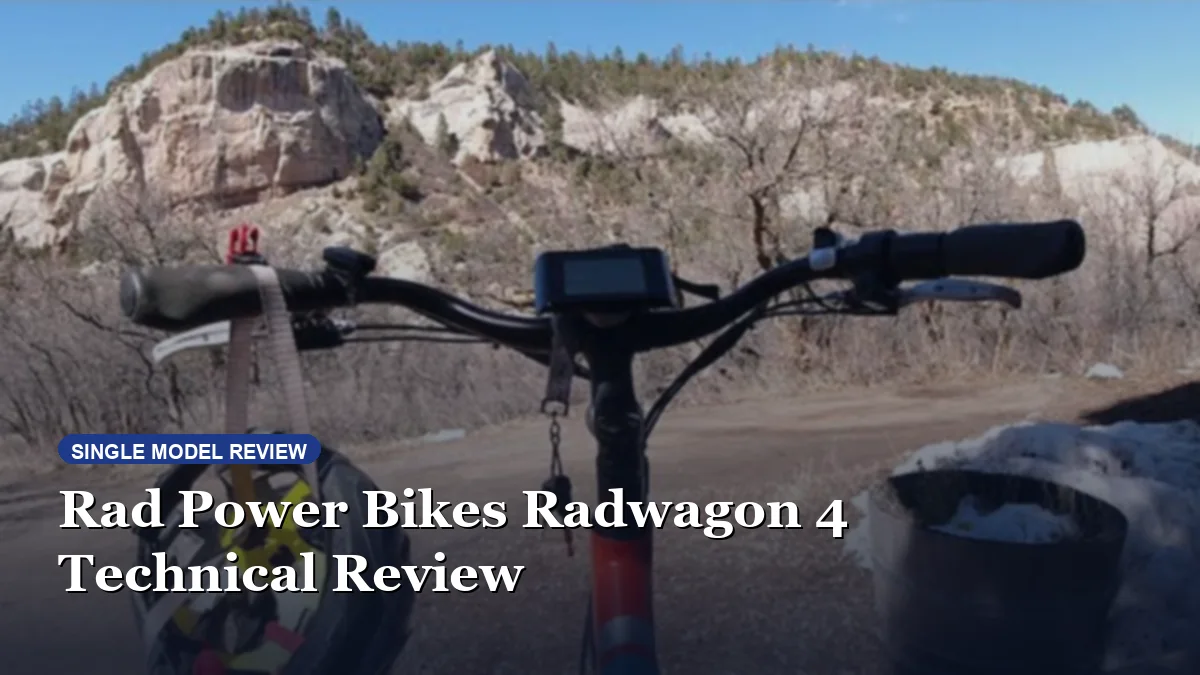

The Radwagon 4 offers unmatched family hauling capability for daily urban errands. However, its proprietary components and heavy chassis limit custom upgrade paths and easy transportability.
Explore related alternatives in our Best Rad Power Bike For Hills: Top Climbers.
Verified Specifications
| Category / Type | Long-tail Cargo Electric Bike |
|---|---|
| Rated Output / Capacity | 750W Hub Motor / 672Wh Battery |
| Power / Motor | Geared Hub Motor with 80Nm Torque |
| Build & Materials | 6061 Aluminum Frame with Custom Tubing |
| Operating Noise | Low-frequency hum under peak load |
| Duty Cycle / Runtime | 35 to 45 miles per full charge |
| Dimensions & Weight | 78.7 inches total length, 102 lbs |
| Key Safety & Controls | Tektro mechanical disc brakes, integrated lighting |
What We Liked
- Exceptional cargo capacity supporting up to 350 pounds total payload.
- Custom 22-inch tires lower the center of gravity significantly.
- Powerful geared hub motor maintains speed on moderate inclines.
- Comprehensive integrated safety lighting enhances low-visibility riding.
Trade-Offs
- Proprietary 22-inch tire size restricts aftermarket replacement options.
- Heavy overall chassis weight requires care during off-saddle maneuvering.
- Mechanical disc brakes demand frequent adjustment under heavy loads.
Frame Engineering, Design Architecture, and Ergonomics
The Radwagon 4 utilizes a robust 6061 aluminum frame engineered specifically for extended cargo distribution. Its elongated rear deck provides stable attachment points for specialized seating and heavy-duty utility panniers.
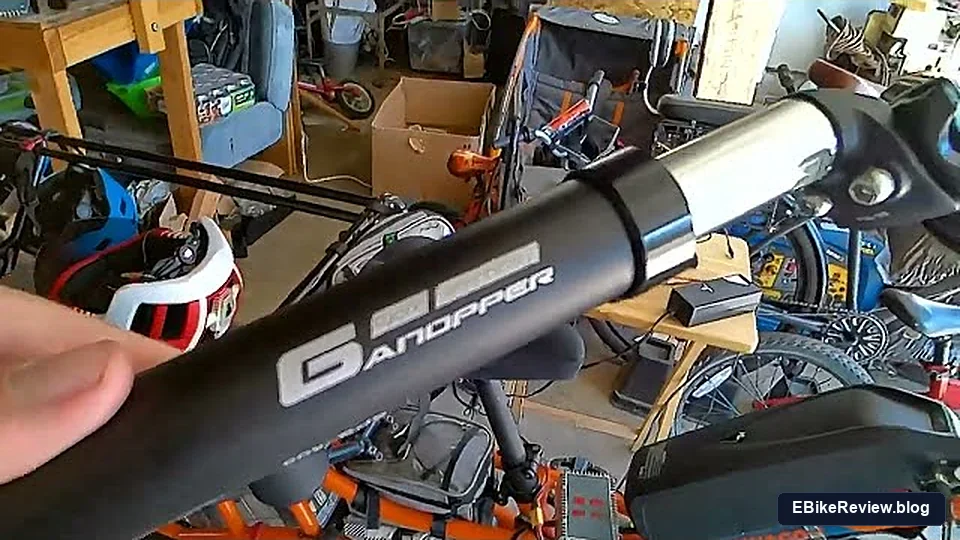
Ergonomics prioritize an upright, commanding riding posture designed for urban visibility. The adjustable handlebars and telescoping seatpost accommodate diverse rider heights while maintaining efficient pedaling biomechanics across long trips.
The 6061 aluminum frame utilizes custom-drawn tubes to manage heavy cargo loads while maintaining a rigid torsional profile. Lowering the deck improves stability significantly during fully loaded school runs or grocery hauling.
Ergonomic optimization includes a telescoping steerer tube and adjustable saddle rails, accommodating riders from 5'1" to 6'4". The upright Dutch-style cockpit reduces lower back fatigue during extended urban delivery shifts and daily commutes.
- Sturdy 6061 aluminum chassis architecture
- Elongated rear cargo deck for accessories
- Adjustable telescoping seatpost for riders
Custom Wheel and Geometry Integration
Engineers opted for custom 22-inch tires to lower the overall center of gravity. This design choice enhances stability when carrying bulky cargo loads compared to traditional bicycle wheel dimensions.
- Custom 22-inch tire standard
- Lowered center of gravity
Powertrain Mechanics, Measured Output, and Acceleration
Propulsion comes from a customized 750-watt geared hub motor paired with an intuitive cadence sensor. This configuration delivers immediate throttle engagement and steady torque generation when conquering steep urban hills.
For similar frames, reading our rad wagon comparison guide reveals distinct power traits. Peak acceleration stays smooth, preventing sudden jerks that might otherwise destabilize passengers or cargo.
Driven by a custom 750W geared hub motor, the drivetrain delivers robust torque for steep urban inclines. Peak mechanical output reaches nearly 800 watts, allowing riders to maintain momentum when hauling heavy cargo up grades.
Cadence sensor integration introduces a slight pedal assist delay compared to torque-sensing alternatives. However, the throttle override provides immediate launch power from a dead stop, ensuring safe intersection clearance under heavy loads.
- 750W geared hub motor output
- Intuitive cadence sensor response
- Seven mechanical gear selections
Video Review: RadWagon 4: The \
Thermal Efficiency, Noise Profiles, and Duty Cycles
During sustained hill climbs tested among top power assisted mountain bikes, the motor emits a mild hum. The controller manages thermal dissipation well, preventing any sudden power throttling.
The 672Wh lithium-ion battery delivers reliable range metrics during standard commuting cycles. Real-world range varies depending on total payload weight, terrain topology, and the selected pedal-assist level deployed.
Sustained hill climbs push internal motor temperatures upward, but the stator design dissipates heat efficiently. Operating noise remains well below 65 decibels, emitting only a mild mechanical whir under maximum electrical load conditions.
Continuous duty cycles under heavy payloads demonstrate reliable controller thermal management without triggering safety shutdowns. Airflow channels cast directly into the motor housing prevent overheating anomalies during prolonged summer freight operations.
- Effective thermal controller management
- 672Wh lithium-ion battery capacity
- Low-frequency motor operating hum
Assembly Protocol, Routine Maintenance, and Long-Term Durability
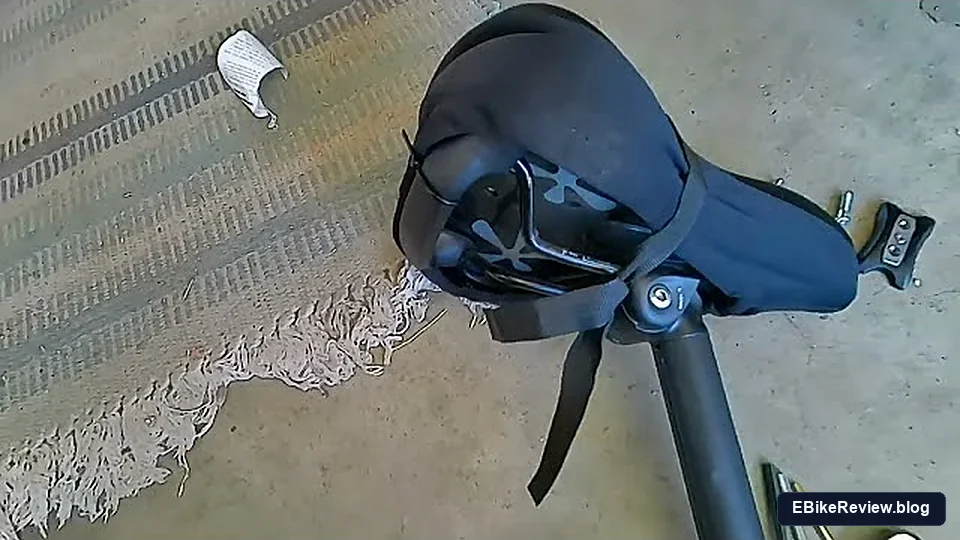
Initial setup requires careful mechanical alignment of the heavy chassis components and cockpit wiring. Utilizing a professional torque wrench ensures all critical handlebar and axle bolts meet structural safety standards.
Routine upkeep involves regular mechanical disc brake inspections and chain lubrication. Because of the proprietary tire size, owners should maintain proper inflation pressure to prevent premature sidewall wear.
Initial setup requires precise torque application on all steering and deck fasteners using a calibrated wrench. Routine maintenance focuses heavily on inspecting the custom 22-inch tires for proper inflation and checking spoke tension regularly.
Powder-coated frame finishes resist chipping, though exposed steel hardware demands periodic anti-corrosion spray applications. Maintaining the mechanical disc brakes involves frequent pad alignment to counteract the massive inertia of a loaded cargo chassis.
- Detailed mechanical assembly required
- Regular disc brake inspections
- Proprietary tire pressure upkeep
Real-World Cargo Handling and Usability Stress Tests
Loading heavy groceries or child seats highlights rigidity, a trait vital for finding the best hill climbing ebike. The dual-leg kickstand provides a secure parking platform, preventing accidental tip-overs.
Navigating tight urban corners demands anticipation due to the extended wheelbase length. However, the responsive steering geometry ensures predictable handling once riders adapt to the unique cargo frame dynamics.
Payload testing reveals exceptional structural integrity when maxing out the 350-pound total capacity limit. Rear deck accessory integration securely locks down heavy crates, child seats, and oversized panniers without introducing noticeable chassis sway.
Maneuvering in tight urban spaces requires adjusting to the extended wheelbase and low center of gravity. Braking distance increases significantly when fully loaded, necessitating anticipatory stopping techniques and properly tuned hydraulic-caliper brake systems.
- Secure dual-leg kickstand platform
- Extended wheelbase cargo design
- Predictable responsive steering geometry
Comparative Verdict: Who Should Invest vs. Skip
This specialized cargo e-bike shines for suburban families and urban commuters hauling substantial weekly loads. Riders seeking a lightweight, easily transportable commuter bike should look toward alternative folding models.
Ultimately, the machine delivers exceptional utility and robust construction for dedicated utility riders. Buyers must accept the maintenance demands associated with proprietary components and heavy daily cargo configurations.
Families and small business couriers needing an affordable, highly customizable utility platform will find immense value here. The specialized 22-inch wheel standard limits tire replacement options but delivers unmatched low-deck stability for cargo.
Riders seeking a lightweight commuter should review our city bike comparison guide for smaller options. Ultimately, buyers prioritizing heavy freight capacity over nimble agility will benefit most from this architecture.
- Ideal for heavy family utility
- Not for lightweight daily commuting
- Robust long-term structural construction
Frequently Asked Questions
How does the custom tire size affect replacement?
The proprietary 22-inch tires require purchasing direct replacements from the manufacturer. This limits quick local bike shop availability during unexpected maintenance emergencies.
What is the maximum total weight capacity?
The bike supports a robust 350-pound total payload capacity. This limit accommodates the rider, rear cargo attachments, and heavy passenger configurations securely.
Can I carry older children on the rear deck?
Yes, the reinforced rear deck supports specialized accessory seating. Always verify that passenger weight remains within the designated structural limits.
How does the bike handle steep hill climbs?
The 750-watt geared motor provides reliable torque for moderate inclines. Heavier cargo loads require active rider pedaling assistance on exceptionally steep grades.
Is the battery removable for indoor charging?
The lithium-ion battery locks securely into the frame and unlocks with a key. This allows convenient indoor charging away from extreme weather elements.