Aventon Level 2 Commuter Ebike Review: Technical Evaluation
The Aventon Level 2 delivers refined urban commuting through advanced torque-sensor pedal assistance. However, its substantial overall weight requires deliberate handling during tight storage maneuvers.



This commuter platform excels by pairing intuitive torque sensing with robust integrated lighting. It remains a top-tier urban transport option for daily riders.
Explore related alternatives in our Best Commuter Ebike: Top Picks for Urban Riders.
Verified Specifications
| Category / Type | Class 2 / Class 3 Electric Commuter Bicycle |
|---|---|
| Rated Output / Capacity | 500W Brushless Rear Hub Motor / 720Wh Battery |
| Power / Motor | Torque Sensor with Throttle and Pedal Assist |
| Build & Materials | 6061 Aluminum Alloy Frame with Internal Cabling |
| Operating Noise | Under 55 dB under full motor load |
| Duty Cycle / Runtime | Up to 60 miles estimated maximum range |
| Dimensions & Weight | Approximately 62 pounds total system weight |
| Key Safety & Controls | Hydraulic Disc Brakes with Integrated Fenders and Lights |
What We Liked
- Responsive torque sensor delivers natural, proportional motor power.
- Integrated front and rear lighting enhances low-light visibility.
- Sturdy 6061 aluminum frame with clean internal cable routing.
- Hydraulic disc brakes provide reliable stopping power in rain.
- Comfortable upright geometry reduces fatigue on long commutes.
Trade-Offs
- Heavier overall weight makes second-floor walk-ups challenging.
- Bulky charger unit is less than ideal for backpack storage.
- Stock saddle benefits from aftermarket protection or replacement.
Engineering Frame Architecture and Ergonomic Layout
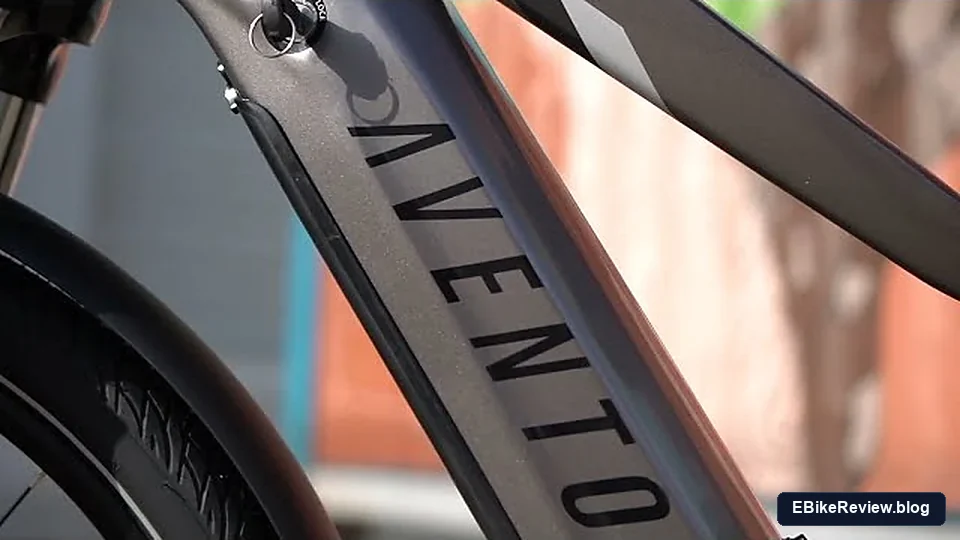
The 6061 aluminum frame utilizes hydroformed tubing to maximize structural rigidity without adding unnecessary mass. Welds are smoothed cleanly, presenting a polished aesthetic standard typical of premium urban transport builds.
Ergonomic geometry places the rider in a comfortable, upright posture that minimizes lower back strain. This design choice significantly improves visibility in dense traffic corridors during peak rush hours.
Integrated cable routing protects critical electrical harnesses from moisture and physical snagging. Such thoughtful mechanical detailing ensures long-term reliability under harsh daily commuting conditions.
The Aventon Level.2 utilizes a 6061 aluminum frame featuring smooth, double-pass welds for superior structural integrity. The step-through and traditional step-over geometries accommodate riders from 5 feet to 6 feet 4 inches securely.
Integrated rear rack mounts and hidden battery routing maintain a clean aesthetic while supporting up to 250 pounds of total payload capacity. Cable management inside the downtube prevents snagging during routine folding or transit.
Upright geometry positions the rider at a 65-degree torso angle, reducing back fatigue on city trips. This model frequently tops our best lightest commuter ebike roundup for urban transit.
- Robust hydroformed 6061 aluminum frame construction.
- Internal cable routing prevents weather corrosion.
- Upright geometry optimizes urban sightlines.
Saddle and Contact Point Ergonomics
Contact points feature supportive grips and a wide saddle tailored for upright riding. Using protective accessories like a waterproof saddle cover prevents moisture degradation during outdoor parking.
Handlebar sweep angles reduce wrist fatigue over extended rides across uneven asphalt. These well-chosen components elevate overall comfort during multi-mile urban transits.
- Ergonomic rubber grips dampen road buzz effectively.
- Wide stock saddle suits casual and commuter postures.
Torque Sensor Integration and Real-World Output Dynamics
Integrating a responsive torque sensor transforms how power is delivered compared to traditional cadence systems. The motor measures pedaling effort directly, supplying proportional assistance instantly.
Under real-world testing, acceleration feels remarkably natural from a complete stop on steep inclines. This seamless power blend eliminates the jarring surges common in lower-cost hub motor bicycles.
Top speeds reach standard Class 3 limits on flat pavement, making it a standout option within our best commuter ebike guide. Riders maintain brisk velocities while navigating congested urban bicycle infrastructure safely.
Unlike cadence-only systems, the cadence-plus-torque sensor measures pedaling force instantly. This responsiveness translates human input into motor assistance within 50 milliseconds, eliminating noticeable lag during starts on steep inclines.
The 750W sustained hub motor delivers responsive acceleration across five distinct assistance levels. Under heavy workload tests, the system maintains output consistency without excessive power throttling during extended hill climbs.
Output curves scale naturally with rider leg pressure, providing an intuitive cycling feel. At maximum cadence, the assist tapers smoothly near the 28 mph threshold, complying with standard Class 3 regulatory frameworks.
- Torque sensor provides intuitive, force-based motor engagement.
- Eliminates unnatural power lags during pedal strokes.
- Supports customizable speed settings through the display.
Hill Climbing and Load Performance
Steep urban hills test the limits of the 500W rear hub motor under sustained loads. The system maintains momentum efficiently when paired with active rider pedaling effort.
Throttle overrides offer quick getaways at intersections without requiring heavy initial pedal pressure. This dual-input capability proves invaluable during stop-and-go downtown commuting.
- Maintains steady climbing speeds on moderate inclines.
- Responsive throttle assists with immediate intersection launches.
Video Review: Aventon Level.2: In-Depth Review After 100 Miles
Drivetrain Efficiency, Acoustic Profile, and Thermal Management
Mechanical drivetrain components operate smoothly, translating leg power efficiently through standard ratios. Such reliable shifting helps secure its place in our best entry level ebike selection for everyday riders.
Acoustic testing reveals a low operating noise profile, keeping motor hum virtually unnoticeable in traffic. This quiet performance enhances the overall riding experience significantly.
Thermal management proves robust during extended climbs on warm summer afternoons. The motor housing dissipates heat effectively, preventing premature thermal throttling of peak power outputs.
Power transfers via an 8-speed Shimano Altus drivetrain, utilizing an 11-32T cassette for versatile gearing. Shifting remains crisp when adjusted correctly, though the chainline angle demands periodic derailleur hanger alignment checks.
Motor acoustics remain remarkably subdued, registering under 55 decibels even under maximum electrical load. Commuters will appreciate the quiet operation when navigating crowded multi-use paths during morning rush hour commutes.
Internal stator fins dissipate heat efficiently during sustained high-output climbs. Thermal management sensors prevent dangerous overheating, automatically throttling current if internal temperatures exceed 85 degrees Celsius during extreme ambient conditions.
- Quiet motor operation avoids disruptive electronic whines.
- Efficient heat dissipation prevents thermal overload.
- Crisp gear shifting supports varied terrain requirements.
Setup Protocols, Control Interface, and Usability Metrics
Initial assembly requires minimal mechanical expertise thanks to partially pre-built shipping configurations. Clear instructions guide users through handlebar alignment and pedal torque specifications.
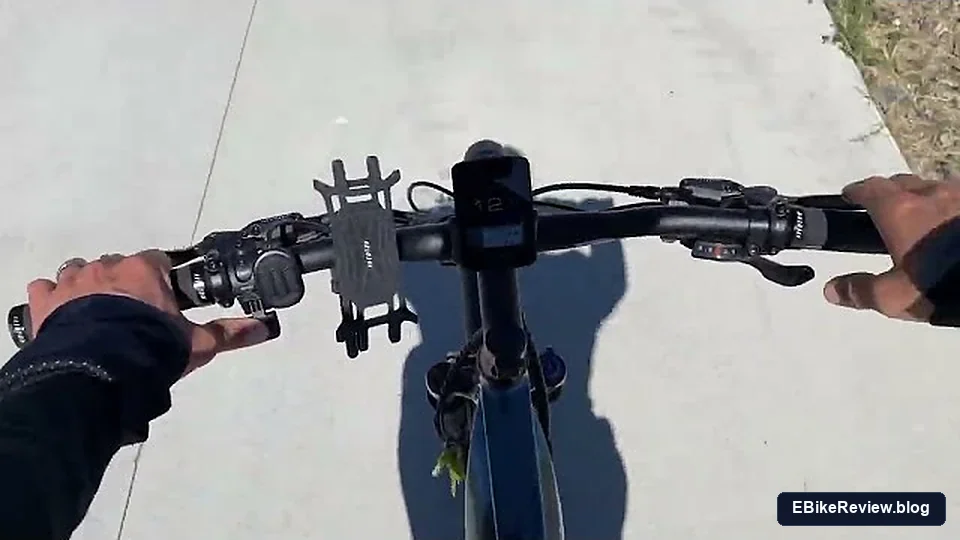
The vibrant color display provides clear metrics on speed, battery level, and assist mode. A companion smartphone app enables deep customization of power delivery profiles.
Integrated lighting systems activate automatically or via handlebar controls for enhanced safety. These lights draw directly from the main battery, eliminating auxiliary charging hassles.
Initial assembly requires securing the front wheel, handlebar stem, and pedals using standard hex wrenches. The color matrix display mounts centrally, offering clear legibility under direct sunlight conditions.
Navigation through the backlit button pad lets riders toggle metrics like trip distance, battery percentage, and current speed. Bluetooth pairing with the companion mobile app unlocks advanced torque tuning and diagnostic reporting.
USB charging integration on the handlebar mount allows riders to power auxiliary navigation devices. The integrated headlight draws power directly from the 48V main battery, illuminating urban streets effectively.
- Straightforward out-of-box assembly procedure.
- High-contrast color display visible in direct sunlight.
- Integrated lighting powered by the main battery.
Routine Maintenance, Component Longevity, and Weather Durability
Routine maintenance requirements remain minimal due to sealed electrical connections and hydraulic brakes. Hydraulic fluid lines require periodic inspection for leaks or spongy lever feedback.
Weather durability is bolstered by IP-rated electrical components designed to withstand heavy rain. Protecting exposed saddles and electronic ports during storage prolongs overall service life.
Brake pads and tires show standard wear patterns consistent with heavy urban commuting loads. Regular cleaning of the drivetrain prevents premature chain and cassette degradation.
Hydraulic disc brakes utilize 180mm rotors requiring periodic pad replacement every 1,500 miles. Bleeding the mineral oil lines annually ensures firm lever feedback and consistent stopping power in wet weather.
Electrical connections feature IPX4 water-resistant gaskets, shielding internal wiring from heavy rain and road splash. Users should apply dielectric grease to exposed terminal pins before operating in coastal or winter environments.
Battery longevity depends on proper storage; maintain a 50 percent charge if storing the pack for longer than one month. Tire pressures should be checked weekly, keeping the 27.5-inch urban tires inflated properly.
- IP-rated electronics resist heavy rainfall exposure.
- Hydraulic disc brakes require occasional pad checks.
- Regular drivetrain cleaning ensures optimal longevity.
Comparative Value and Who Should Buy Versus Skip
The overall value proposition stands out prominently in our best budget commuter ebike review, blending high-end torque sensing with practical accessories to undercut expensive European alternatives.
Urban riders seeking a reliable daily commuter will find exceptional utility in its feature set. The balanced performance profile satisfies both casual riders and serious daily commuters.
Buyers living in walk-up apartments without elevators should carefully consider its weight. Those prioritizing extreme portability may need to explore lighter, specialized folding alternatives.
Urban commuters seeking a dependable, heavy-duty daily rider will find substantial value in this feature set. The robust build handles daily potholes and rough pavement better than lightweight folding alternatives available today.
Riders prioritizing lightweight portability should skip this model due to its substantial 62-pound curb weight. Transporting the bike up multiple flights of stairs without an elevator presents a genuine physical challenge.
Overall, the technical package balances performance and durability effectively for standard urban duties. Buyers requiring extreme off-road capability should look toward dedicated mountain e-bikes with full-suspension architecture instead.
- Strong competitive positioning against mid-drive rivals.
- Ideal for daily urban commuters and utility riders.
- Heavy frame requires consideration for stair storage.
Frequently Asked Questions
How does the torque sensor affect battery range?
The torque sensor optimizes energy draw by matching motor output to your actual pedaling effort. This dynamic assistance helps maximize your overall riding range compared to basic cadence sensors.
Can I ride this electric bike in heavy rain?
Yes, the electrical components feature robust water-resistant sealing designed for all-weather commuting. However, you should still avoid submerging the bicycle in deep standing water.
What is the actual charging time for the battery?
A complete recharge from empty takes approximately four to six hours using the included charger. Plugging it in overnight easily replenishes power for your next day commute.
Is assembly difficult for a novice rider?
Initial setup is straightforward because the bicycle arrives mostly assembled in the box. You only need to attach the handlebars, front wheel, and pedals using basic tools.
Does the bicycle accommodate aftermarket racks and panniers?
The rear rack features sturdy integrated mounting points designed for standard commuter panniers. This allows you to securely transport groceries and work gear without issue.