What Does Ebike Controller Amp Rating Mean
The amp rating of an electric bicycle controller determines how much electrical current flows to the motor. Understanding this specification prevents thermal overload and protects your valuable hardware components.

An electric controller amp rating specifies the maximum electrical current supplied to your motor winding. Exceeding this safety threshold causes rapid overheating, permanent magnetic demagnetization, and catastrophic internal hardware failure.
Looking for matching picks? See our Best Electric Bike: Top Commuter Picks for 2026.
Practical Quick-Reference Table
| Scenario / Metric | Recommended Target | Why It Matters |
|---|---|---|
| Nominal Controller Current | 15A to 25A | Balances everyday commuting range with thermal safety limits. |
| Peak Current Burst | 30A to 50A | Provides necessary torque for steep hill climbs without damage. |
| Battery BMS Limit | Exceed Controller Amps | Prevents the battery management system from prematurely cutting power. |
| Phase Wire Gauge | 12 AWG or Thicker | Handles high electrical current loads without dangerous thermal resistance. |
| Operating Temperature | Under 75 Celsius | Protects internal MOSFET components from permanent thermal breakdown. |
| Stall Current Protection | Active Cutoff | Stops catastrophic winding burnout when wheels cannot rotate freely. |
Defining Electrical Current and Controller Limits
Electric bicycle controllers regulate the flow of electrical energy from your battery pack directly to the hub or mid-drive motor. The amp rating dictates the maximum electrical volume delivered safely under load.

Engineers measure this capacity in amperes, representing the quantity of electrical charge passing through a circuit per second. Higher amperage numbers deliver superior acceleration torque but demand much thicker internal copper wiring.
Every controller features two distinct amp boundaries that protect your best commuter ebike during daily rides. Knowing these limits prevents riders from overloading their electrical propulsion systems.
Modern brushless controllers utilize metal-oxide-semiconductor field-effect transistors to switch high currents rapidly. These microscopic electronic switches generate substantial heat, requiring adequate aluminum heatsink housing to dissipate thermal energy effectively.
- Controllers strictly regulate exact electrical current flowing continuously from your onboard battery pack directly to the primary motor phase windings safely during normal daily commutes.
- Amperage ratings dictate the absolute maximum electrical volume delivered safely under heavy throttle loads without prematurely triggering protective thermal shutdown sequences.
- Higher amperage thresholds deliver superior acceleration torque outputs but simultaneously demand significantly thicker copper wiring harnesses and exceptionally robust electrical connectors.
- Advanced metal-oxide-semiconductor field-effect transistors switch high currents rapidly while generating substantial heat requiring adequate aluminum heatsink housing structures for cooling.
Understanding MOSFET Operations
Transistors act as electronic valves that pulse electrical energy thousands of times per second. Thermal management remains crucial because excessive current causes these microscopic semiconductor gates to experience permanent breakdown.
Engineers mount these transistors against thick aluminum enclosure walls to transfer heat away efficiently. Maintaining proper airflow across the controller housing prevents premature thermal throttling during sustained climbs.
- Transistors act as critical electronic valves pulsing electrical energy thousands of times per second during standard motor operation cycles safely.
- Engineers mount these semiconductor switches against thick aluminum enclosure walls to transfer heat away efficiently during heavy everyday use.
How Battery Voltage Interacts with Amp Outputs
Voltage and amperage combine to dictate the total electrical power transmitted through any best hunting ebike drivetrain. Multiplying these values yields total wattage output, revealing true system performance capabilities.
A lower voltage battery requires higher amperage to achieve identical mechanical power output under heavy loads. Excessive amperage creates severe voltage sag, straining chemical cell structures inside your battery pack.
Controllers must coordinate voltage delivery seamlessly to prevent sudden spikes from damaging delicate internal sensors. Proper matching ensures smooth power delivery across all available throttle positions and pedal assistance levels.
Upgrading your battery voltage without adjusting controller amp limits can result in catastrophic electronic failure immediately. Always verify that your controller specifications accommodate any changes in source voltage inputs.
- Voltage and amperage combine together to dictate total electrical power transmitted through your electric bicycle drivetrain components reliably every day.
- Lower voltage battery configurations require significantly higher amperage draws to achieve identical mechanical power output under heavy load conditions safely.
- Controllers must coordinate voltage delivery seamlessly to prevent sudden electrical spikes from damaging delicate internal Hall effect sensors today.
- Always verify that your controller hardware specifications safely accommodate any future changes in source voltage inputs from aftermarket batteries.
Video Walkthrough: Watts, Amp Hours (\
Thermal Management and Continuous Versus Peak Amps
Continuous amp ratings represent the electrical current a typical best ebike mountain bike sustains indefinitely without overheating surrounding internal components. Exceeding this baseline forces thermal protection circuits to reduce power output.

Peak amp ratings describe short-term bursts of electrical energy permitted during rapid acceleration or steep climbs. These brief surges let riders conquer obstacles without requiring massive, heavy continuous controllers.
Heat dissipation depends heavily on mounting location, ambient air temperature, and chassis ventilation design features. Proper airflow keeps semiconductor operating temperatures well within safe manufacturer design tolerances.
Thermal paste application between circuit boards and aluminum casings improves heat transfer efficiency across metal interfaces. Inspecting these seals during routine maintenance prevents unexpected thermal shutdowns on long rides.
- Continuous amp ratings represent electrical current a controller sustains indefinitely without overheating surrounding internal electronic components during use.
- Peak amp ratings describe short-term bursts of electrical energy permitted during rapid acceleration or steep mountain climbs safely.
- Heat dissipation depends heavily on mounting location, ambient air temperature, and enclosure chassis ventilation design features overall.
- Thermal paste application between circuit boards and aluminum casings improves heat transfer efficiency across metal interface points inside the housing unit securely.
Matching Motor Windings to Controller Capabilities
Hub motors and mid-drive units feature specific copper winding resistances that dictate their electrical current tolerance limits. Matching these properties prevents excessive heat buildup inside sealed motor stator assemblies.
Pushing high amp ratings through small, lightweight hub motors causes rapid enamel insulation breakdown on stator wires. Blown windings require complete motor replacement because internal repairs remain exceedingly difficult and expensive.
High-torque motors tolerate substantial amp surges because their thicker copper windings dissipate internal heat much faster. Factory specifications provide reliable guidelines for pairing suitable controllers with your specific motor.
Sensorless and sensored motors respond differently to high current pulses during low-speed startup rotation phases. Proper configuration ensures smooth engagement without stuttering or excessive mechanical drivetrain vibration issues.
- Hub motors and mid-drive units feature specific copper winding resistances that dictate their electrical current tolerance limits reliably.
- Pushing high amp ratings through small lightweight hub motors causes rapid enamel insulation breakdown on delicate stator wires permanently during heavy use.
- High-torque motors tolerate substantial amp surges because their thicker copper windings dissipate internal heat much faster during steep mountain climbs safely today.
- Sensorless and sensored motors respond differently to high current pulses during low-speed startup rotation phases reliably under heavy throttle applications every day.
Diagnostic Tools for Measuring Real-World Current Draw
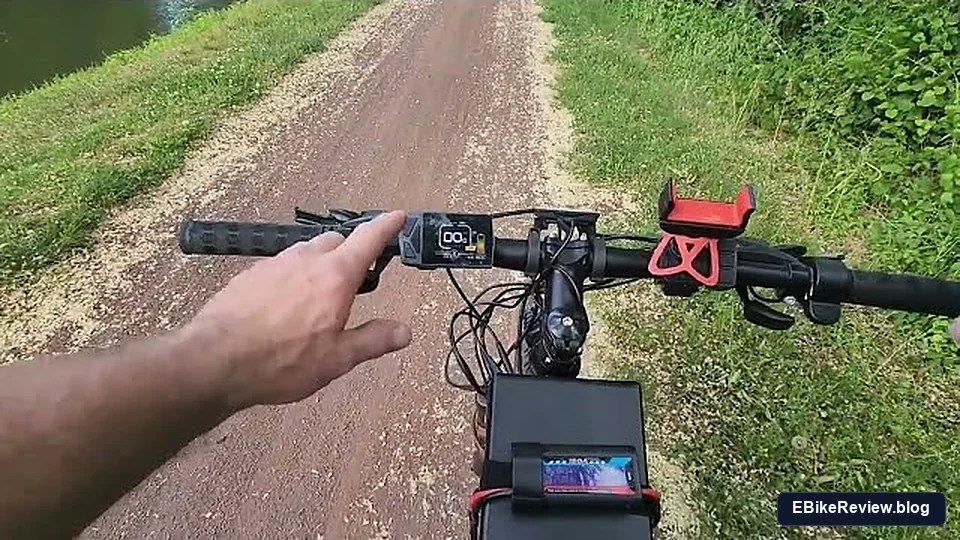
Measuring actual current draw requires specialized diagnostic equipment alongside data gathered from our e-bike range calculator. Accurate measurements reveal whether your controller operates within safe thermal and electrical limits.
Clamp meters measure magnetic fields surrounding battery cables without requiring direct physical contact with conductors. This non-invasive method lets technicians monitor real-time amp draws during actual test riding sessions.
Inline cycle analysts record peak amp draws, total energy consumption, and voltage sag under load conditions. Analyzing this data helps identify hidden bottlenecks within your electric bicycle wiring harness.
Multimeters offer basic voltage checks but lack the high-speed sampling rates needed for transient current spikes. Dedicated loggers provide comprehensive insights into your controller performance during aggressive riding maneuvers.
- Measuring actual current draw requires specialized diagnostic equipment like digital clamp meters or inline watt meters operated by trained technicians safely today.
- Clamp meters measure magnetic fields surrounding battery cables without requiring direct physical contact with live electrical conductors during active testing sessions safely.
- Inline cycle analysts record peak amp draws, total energy consumption, and voltage sag under heavy load conditions during standard test rides reliably.
- Dedicated data loggers provide comprehensive insights into your controller performance during aggressive riding maneuvers and steep hill climbs safely every single day.
Common Overcurrent Failures and Hardware Protection
Overcurrent conditions occur when mechanical resistance forces motors to draw excessive power from batteries. Stalled motors can pull infinite current, rapidly destroying controller MOSFETs if protection circuits fail.
Fuse links and battery management systems act as primary lines of defense against catastrophic short circuits. Proper fuse sizing prevents electrical fires by interrupting circuits before wires melt down completely.
Modern controllers feature programmable phase current limits that restrict output during low-speed high-torque startup scenarios. This smart limitation protects both your motor windings and electronic hardware from damage.
Inspecting wire insulation and connector terminals regularly prevents high-resistance faults that trigger erratic current behavior. Clean connections ensure optimal electrical flow without dangerous localized overheating spots developing.
- Overcurrent conditions occur when mechanical resistance forces motors to draw excessive power from onboard battery packs during difficult riding scenarios safely today.
- Fuse links and battery management systems act as primary lines of defense against catastrophic short circuits during unexpected electrical faults every time.
- Modern controllers feature programmable phase current limits that restrict output during low-speed high-torque startup scenarios safely protecting delicate internal hardware components always.
- Inspecting wire insulation and connector terminals regularly prevents high-resistance faults that trigger erratic current behavior across your electric bicycle drivetrain system safely.
Upgrading and Reprogramming Firmware Safely
Advanced riders often modify controller firmware to adjust amp limits for enhanced acceleration and performance. Unlocking higher limits requires verifying that battery discharge rates match new power demands.
Flashing custom firmware profiles incorrectly can permanently brick controller hardware or fry connected motor windings. Always backup original manufacturer configuration files before attempting any modifications to system software.
Increasing phase current limits without upgrading phase wire gauges creates severe fire hazards from overheating. Balanced upgrades ensure all electrical components share the increased workload safely and efficiently.
Consult manufacturer documentation and community technical forums to determine safe amperage ceilings for specific models. Conservative adjustments yield better long-term reliability without sacrificing everyday riding enjoyment.
- Advanced riders often modify controller firmware to adjust amp limits for enhanced acceleration and overall performance during recreational riding sessions safely today.
- Flashing custom firmware profiles incorrectly can permanently brick controller hardware or fry connected motor phase windings during software updates performed carelessly today.
- Increasing phase current limits without upgrading phase wire gauges creates severe fire hazards from excessive thermal overheating inside the housing unit.
- Consult manufacturer documentation and community technical forums to determine safe amperage ceilings for specific electric bicycle models before modifying software parameters safely.
Frequently Asked Questions
What happens if my ebike controller amp rating is too high?
A controller with an excessively high amp rating can rapidly overheat your motor windings and permanently damage internal magnets. Exceeding thermal limits causes solder joints to melt and triggers premature thermal shutdown protection circuits during hard rides.
Can I use a higher amp controller with my original motor?
You can install a higher amp controller if your motor windings and wiring harness handle the increased electrical load safely. Always check specifications to ensure your motor withstands the extra thermal energy without burning out prematurely during steep climbs.
What is the difference between continuous and peak amp ratings?
Continuous amp ratings represent the current a controller handles indefinitely without overheating under normal riding conditions. Peak ratings describe brief electrical surges permitted for rapid acceleration or conquering steep mountain hills successfully.
How do I know my current ebike controller amp rating?
You can find the amp rating printed on the metal specification label attached directly to the controller housing. Opening the casing or checking your original user manual reveals exact electrical parameters for troubleshooting maintenance tasks.
Does increasing controller amps increase my electric bicycle top speed?
Increasing controller amperage primarily improves acceleration torque rather than raising your ultimate top speed significantly. Voltage dictates speed, whereas amperage delivers the pulling power needed for rapid acceleration during commutes.