Legal Requirements For Class 3 Electric Bike Helmet
Navigating safety standards ensures proper protection at high speeds. Understanding certified specifications keeps riders safe and compliant.

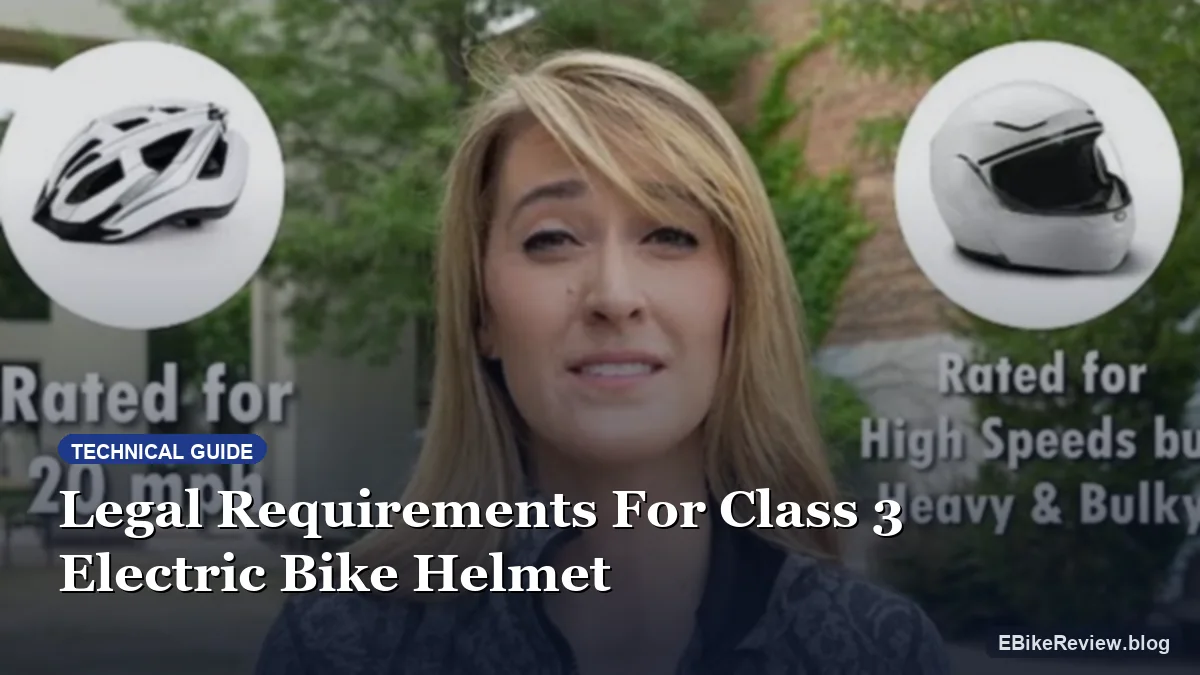
Class 3 e-bikes demand specialized head protection meeting strict impact standards to withstand high-speed velocity risks safely.
Looking for matching picks? See our Best Class 1 Electric Bike For Rail Trails: Top Picks (2026).
Practical Quick-Reference Table
| Scenario / Metric | Recommended Target | Why It Matters |
|---|---|---|
| Speed Rating | Up to 28 MPH | Matches maximum motor assistance limits. |
| Impact Standard | NTA 8776 or CPSC | Verifies energy absorption at higher speeds. |
| Retention System | Dual-Strap Chin Lock | Prevents displacement during rotational crashes. |
| Shell Coverage | Extended Occipital | Protects the lower rear skull region effectively. |
| Ventilation Index | Optimized Airflow | Prevents thermal buildup on long commutes. |
| Inspection Interval | Every 6 Months | Detects micro-fractures in the EPS liner. |
Regulatory Framework And Speed Ratings
High-speed electric bicycles operate up to twenty-eight miles per hour using pedal assistance. Federal and state frameworks classify these fast machines distinctly from traditional pedal bicycles.
Because of increased velocity thresholds, standard bicycle helmets often lack sufficient structural reinforcement. Regulations increasingly recommend or mandate specialized head protection designed for motorized speeds.
Complying with regional safety statutes requires understanding how velocity metrics directly influence kinetic energy during impact events. Choosing certified gear prevents legal fines and severe injuries.
Municipal authorities frequently update local transit codes regarding motorized bicycle accessories. Riders must verify current jurisdictional mandates before operating on public roadways or shared paths.
Class 3 e-bikes assist up to 28 mph, creating unique regulatory demands highlighted in our best class 3 electric bike for road commuting roundup that standard bicycle helmets often fail to address adequately.
Federal safety guidelines recommend specific impact protection ratings for high-speed commuter bicycles, distinguishing traditional pedal-powered units from motorized transport operating above 25 mph thresholds.
State jurisdiction enforcement regarding mandatory headgear frequently references CPSC 1203 compliance as the absolute baseline, while municipal codes may require enhanced certification markers for higher speeds.
Operating a Class 3 machine without proper certification labeling exposes riders to municipal fines, and more importantly, severely compromises protection during a high-speed impact event.
- Verify local municipal codes governing high-speed electric bicycle accessories.
- Understand that traditional bicycle certifications may fall short of legal thresholds.
- Measure daily commute speeds against regional maximum motor assistance limits.
- Prioritize safety gear rated explicitly for motorized transit applications.
Jurisdictional Variations In Safety Mandates
Different states enforce distinct statutes regarding high-speed commuter protection. Reviewing local transit department guidelines prevents unexpected compliance violations.
Cross-border commuters must check overlapping municipal and state safety ordinances carefully.
- Cross-reference state highway patrol guidelines with city transit bylaws.
- Keep digital copies of regional transit safety codes for quick reference.
Safety Certifications And Impact Standards
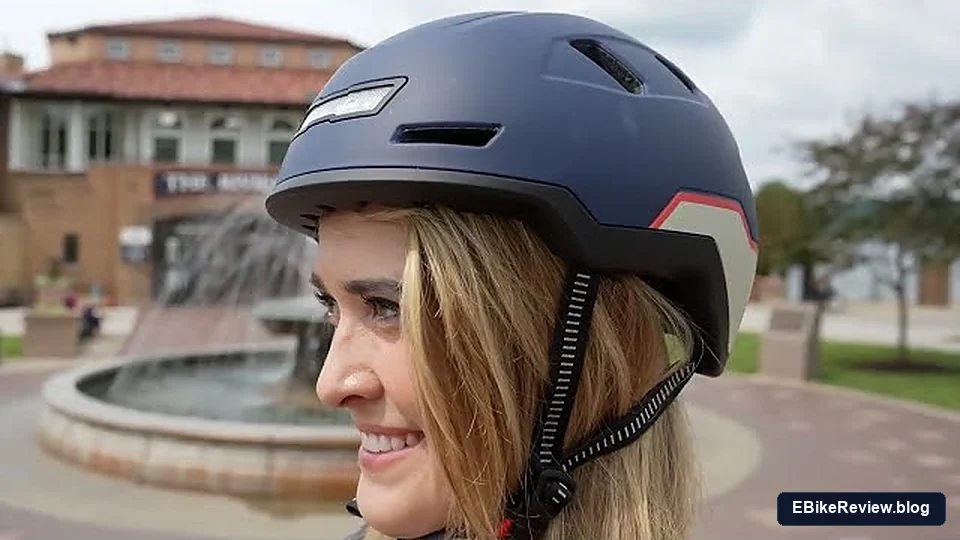
Certified helmets undergo rigorous laboratory testing to verify energy absorption capacity. The NTA 8776 standard specifically evaluates gear built for high-speed electric bicycles.
Traditional CPSC bicycle certifications test impacts at lower velocities. When evaluating low-stress utility transport detailed in our best class 1 electric bike for rail trails guide, remember that proper helmet safety accounts for heavier chassis weights.
MIPS technology inside modern liners helps mitigate rotational forces during crashes. This layer reduces brain shear stress by allowing slight multi-directional movement upon impact.
Always inspect interior certification tags before purchasing protective equipment. Genuine standards ensure verified protection against catastrophic head trauma during accidents.
The NTA 8776 standard was engineered specifically for speed pedelecs, testing helmet structures against higher impact velocities and broader cranial coverage zones than standard bicycle tests.
Standard CPSC bicycle certifications test linear drops from 2 meters, whereas specialized speed-pedelec protocols incorporate heavier mass drops and rotational acceleration management criteria.
Dual-certification models bearing both CPSC and ASTM F1952 stamps provide superior protection profiles, blending downhill mountain biking structural rigidity with lightweight commuter ventilation requirements.
Evaluating internal EPS foam density variations reveals how modern liners absorb energy across multiple impact vectors, mitigating traumatic brain injuries during asphalt collisions at maximum motor output.
- Look for official NTA 8776 or certified CPSC bicycle labels.
- Inspect internal liner tags for verifiable manufacturing safety stamps.
- Prioritize multi-impact designs featuring advanced rotational slip planes.
- Avoid uncertified novelty lids lacking recognized laboratory testing credentials.
Understanding Rotational Impact Testing Protocols
Rotational testing measures how well a helmet disperses oblique angular forces. Advanced liners reduce rotational acceleration transferred directly to the brain tissue.
Engineering standards continuously evolve to reflect real-world electric bicycle collision data.
- Examine laboratory test summaries provided by independent safety advocates.
- Select models incorporating proven rotational management slip technologies.
Video Walkthrough: Class 3 eBike Helmets : Xnito Review
Ergonomic Fit And Sizing Calibration
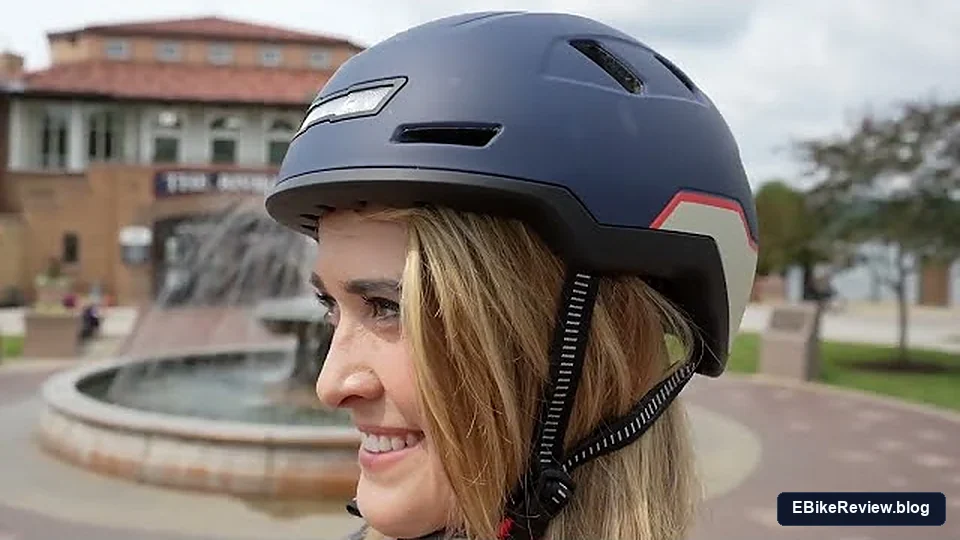
Achieving a precise ergonomic fit ensures your helmet remains stable during sudden stops, even when testing models from our best electric bike for hunting selection. Always measure your exact head circumference.
Wrap the tape around your forehead slightly above your eyebrows. Match your measurement against the manufacturer sizing chart to find the ideal shell size.
Adjustment dials at the rear occipital region secure the retention harness. Tighten the dial until you feel even, gentle pressure without uncomfortable pressure points.
Proper positioning requires the brim to sit level two finger-widths above your eyebrows. Incorrect tilt leaves the forehead vulnerable to direct frontal impacts.
Accurate head measurement requires a flexible tape placed one inch above the eyebrows, capturing the widest cranial circumference to match manufacturer sizing matrices precisely.
Retention systems utilizing 360-degree dials distribute clamping pressure evenly around the temporal bone, eliminating dangerous pressure points during extended commuting sessions.
The front brim must sit horizontally, resting precisely two finger-widths above the bridge of the nose to safeguard the vulnerable frontal bone structure.
Chin strap tension requires careful calibration, allowing no more than one finger of clearance beneath the jawline to prevent helmet displacement during rotational forces.
- Measure head circumference carefully using a flexible cloth tape.
- Adjust rear retention dials for a snug, balanced cranial hold.
- Verify that the front brim sits precisely above your eyebrows.
- Test stability by shaking your head side to side without buckling.
Strap Tension And Chin Buckle Adjustment
The chin strap must form a tight V-shape beneath your earlobes. Adjust the side sliders to lock this geometric configuration in place.
Ensure only one finger fits comfortably between the strap and chin.
- Check that the buckle clicks securely without pinching sensitive skin.
- Retighten loose straps periodically due to daily environmental stretching.
Hardware Integration And Visor Setup
Modern commuter helmets feature integrated LED systems for visibility. Before calculating battery endurance using our ebike range calculator tool, ensure your lighting accessories maintain full charge for low-light evening rides.
Visors protect your eyes from harsh glare and airborne debris at speed. Secure any adjustable visor hardware tightly to prevent vibration loosening during travel.
Reflective exterior decals enhance passive safety on busy commuter routes. Check that reflective elements remain clean and free from obscuring grime buildup.
Some advanced models incorporate communication or audio integration modules. Verify that integrated electronics comply with local hands-free distracted riding laws.
Integrated visor mechanics must feature breakaway fasteners to prevent facial trauma or severe neck leverage translation during a direct forward tumbling crash sequence.
Integrated LED lighting systems powered by rechargeable USB batteries enhance rear visibility significantly, matching automotive lighting heights for improved urban traffic safety margins.
Visor optics should provide UV400 protection while minimizing optical distortion, ensuring clear vision when transitioning rapidly between bright sunlight and shadowed tree-canopied paths.
Hardware mounting points require semi-annual inspection for vibration-induced loosening, ensuring that modular components remain securely anchored during high-frequency chassis resonance events.
- Charge integrated LED lighting components before every night commute.
- Check visor pivot screws regularly to prevent unwanted detachment.
- Keep reflective decal surfaces clean to maximize nighttime visibility.
- Ensure built-in electronic audio systems comply with local laws.
Managing Integrated Electronic Visors And Lights
Electronic visors require dry storage conditions to protect internal circuits. Inspect charging ports for moisture ingress before connecting power cables.
Test all lighting modes routinely to guarantee proper electronic functionality.
- Use manufacturer-approved USB cables for recharging electronic helmet features.
- Store electronic units away from damp basement environments.
Routine Maintenance And Inspection Protocols
Regular maintenance preserves the structural integrity of your protective gear. Inspect the outer polycarbonate shell for deep scratches or stress fracture lines.
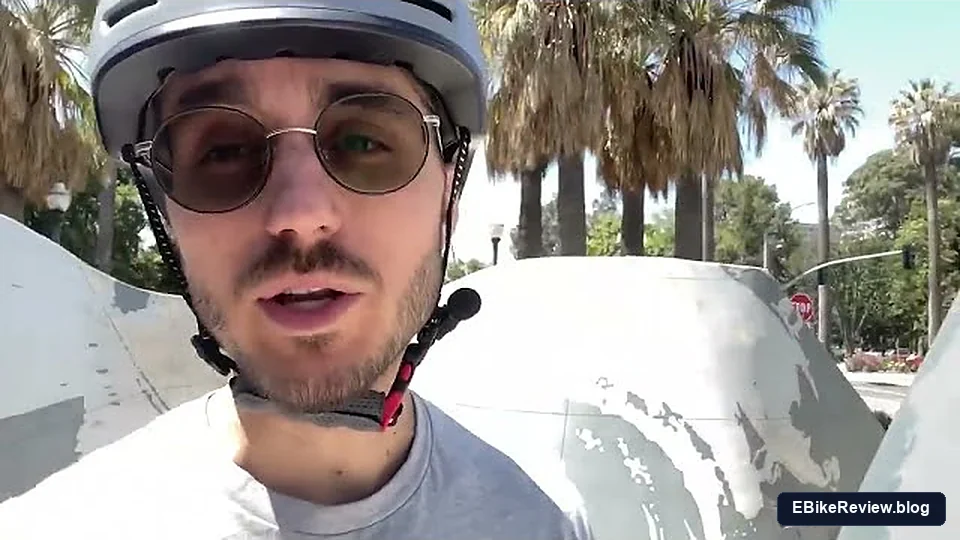
The underlying EPS foam absorbs impact energy through crushing. Any visible dents or deep compression require immediate helmet replacement.
Clean padding using mild soap and lukewarm water to remove sweat. Avoid harsh chemical solvents that can degrade the protective foam matrix.
Store your equipment in a climate-controlled area away from sunlight. Excessive ultraviolet exposure degrades polymer shells and weakens composite structural bonds.
Ultraviolet radiation degrades polycarbonate outer shells over time, necessitating complete helmet replacement every three to five years regardless of visible surface damage.
Cleaning removable inner comfort liners demands mild soap and lukewarm water, avoiding harsh chemical solvents that can chemically degrade structural EPS foam integrity.
Post-impact inspection protocols dictate immediate retirement of any unit subjected to a drop exceeding one meter, even if external shell fractures remain invisible.
Storing protective equipment in climate-controlled environments prevents temperature extremes from warping thermoplastic resins or degrading adhesive bonds securing the inner liner.
- Perform visual inspections of the EPS foam liner every month.
- Wash interior padding using mild soap and cool water only.
- Keep equipment away from direct sunlight and extreme attic heat.
- Replace protective gear immediately following any significant impact.
Identifying Hidden EPS Foam Degradation
Hidden foam damage often occurs after minor drops onto hard surfaces. Run your fingers along the inner liner to detect soft spots.
Replace compromised gear immediately since damaged foam cannot protect twice.
- Check inner liner adhesion points for signs of peeling glue.
- Discard equipment showing unexplained structural deformation or warping.
Video Walkthrough: Xnito Helmet: Ultimate Safety and Comfort for Class 3 E-Bikes
Common Compliance Mistakes And Pitfalls
Riders frequently commit errors by wearing standard skate lids instead of certified gear. Skateboard helmets lack high-speed ventilation and certified impact ratings.
Another frequent mistake involves wearing the helmet tilted too far backward. This exposes the forehead and increases risks of severe facial trauma.
Ignoring expiration timelines represents a major safety hazard. Foam materials degrade over time even without experiencing visible crash events.
Failing to secure the chin strap renders the protective gear useless. A loose retention system allows the helmet to eject during initial collision impacts.
Riders frequently commit the error of wearing skateboard-style lids lacking proper high-speed certifications, exposing themselves to legal citations and inadequate protection.
Tilting the helmet backward exposes the forehead to direct impact forces, reducing effective coverage area by up to thirty percent during forward propulsion accidents.
Neglecting buckle adjustments allows the retention harness to slip during transit, drastically increasing the likelihood of craniocerebral trauma upon secondary ground impact.
Purchasing uncertified novelty helmets online severely compromises safety standards, as these products bypass mandatory impact attenuation testing required for motorized bicycle operation.
- Avoid uncertified skate helmets for high-speed commuting tasks.
- Never wear your protective gear tilted backward on the head.
- Replace equipment after five years of regular daily use.
- Always double-check chin strap tension before rolling away.
Correcting Improper Tilt And Positioning
Improper tilt compromises the engineered coverage zone of the shell. Reset your positioning so the front rim rests comfortably above brows.
Establish a pre-ride checklist routine to confirm proper placement daily.
- Use a mirror to verify correct horizontal shell alignment.
- Adjust internal harness height if the helmet slips downward.
Frequently Asked Questions
Are standard bicycle helmets legal for fast electric bikes?
Standard bicycle helmets often meet baseline CPSC rules but may lack NTA 8776 ratings required for high speeds. Check local laws to ensure full regulatory compliance.
What exact safety standard is required for high-speed electric bikes?
The NTA 8776 standard is specifically designed for motorized bicycles traveling up to twenty-eight miles per hour. It tests higher impact velocities than standard bicycle gear.
How often should commuter head protection be replaced?
Replace your protective gear every five years of regular use or immediately after any crash. Foam materials degrade over time from sweat and ultraviolet exposure.
Can I use a motorcycle helmet instead of a bicycle model?
Motorcycle helmets offer high protection but often exceed weight limits and restrict peripheral vision. Most jurisdictions classify electric bikes under specific bicycle safety codes.
What makes rotational impact liners important for commuters?
Rotational liners reduce brain shear stress by allowing slight multi-directional movement during angled crashes. This technology significantly lowers the risk of concussions.