How To Store Ebike Battery In Winter: Technical Guide
Protect your investment during the off-season with proper thermal management and precise voltage maintenance protocols.

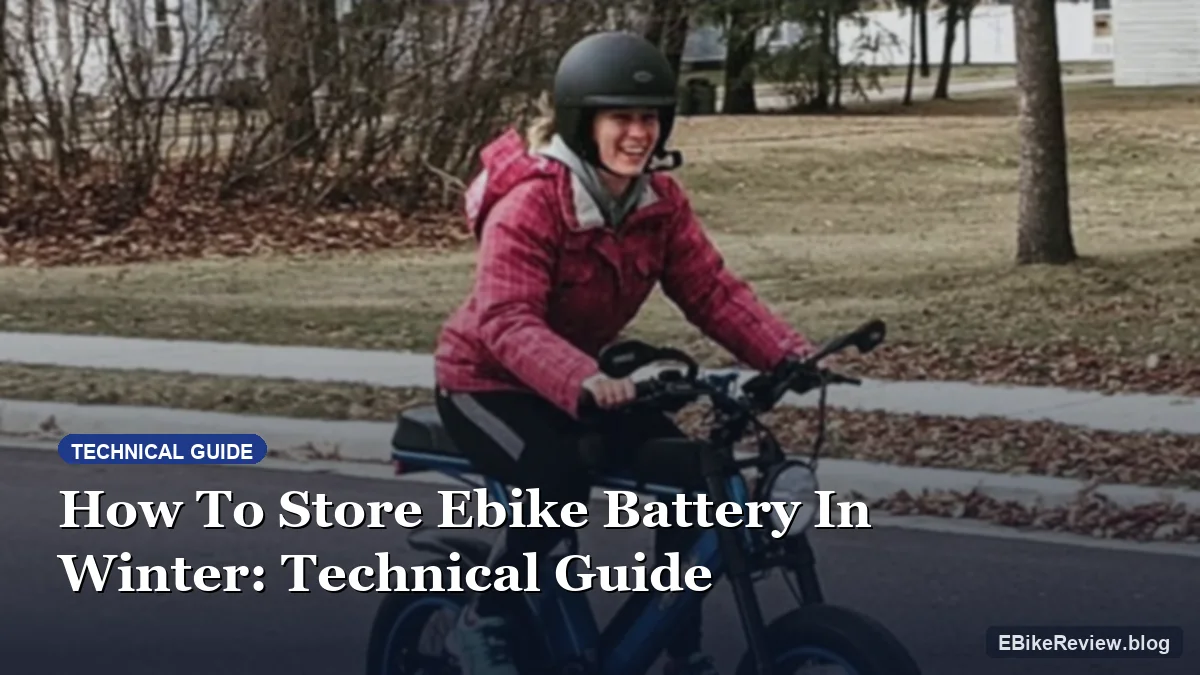
Store your pack at a fifty percent state of charge inside a climate-controlled room to prevent permanent electrochemical damage.
Looking for matching picks? See our Best Electric Bike For Winter: Top Cold-Weather Picks.
Practical Quick-Reference Table
| Scenario / Metric | Recommended Target | Why It Matters |
|---|---|---|
| Storage Temperature | 50°F to 70°F (10°C to 21°C) | Prevents electrolyte breakdown and condensation. |
| State of Charge | 40% to 60% (36V-38V resting) | Minimizes cathode stress and deep discharge risks. |
| Relative Humidity | Below 50 percent | Stops terminal oxidation and bus bar corrosion. |
| Voltage Check Frequency | Every 30 days | Catches natural self-discharge before cell damage. |
| Acclimation Period | 6 hours at room temp | Eliminates internal condensation before charging. |
| Storage Container | UL-certified fireproof bag | Contains potential thermal runaway events safely. |
Electrochemical Degradation Risks in Freezing Temperatures
Riders tackling freezing commutes need specialized setups found in our best winter ebike guide to protect sensitive battery chemistry from harsh sub-zero ambient temperatures and moisture intrusion.
Freezing conditions cause lithium ions to plate rather than intercalate properly. This dangerous chemical reaction diminishes lifespan and can trigger catastrophic internal short circuits if charged while frozen.
Protecting your power source requires understanding internal chemistry limits. Maintaining stable ambient temperatures prevents microscopic anode fractures that silently ruin expensive packs over a single season.
Cold density drops affect BMS microprocessors as well. Proper thermal isolation ensures onboard diagnostic sensors remain fully operational throughout extended periods of seasonal inactivity.
- Sub-zero storage causes irreversible lithium plating on anodes.
- Internal resistance spikes permanently in freezing environments.
- BMS sensors require stable temperatures to function accurately.
- Cold cycling accelerates capacity loss across all cell types.
Sub-Freezing Chemical Breakdown
Electrolyte fluids thicken significantly below freezing thresholds. This viscosity shift restricts ion mobility, causing voltage sag under nominal discharge loads.
Reversing this effect demands strict pre-conditioning protocols. Never apply high current draw until the entire pack reaches room temperature naturally.
- Thickened electrolytes restrict internal ion transfer rates.
- Always warm packs fully before applying heavy electrical loads.
Determining State of Charge Before Long-Term Storage
Storing a pack at maximum voltage accelerates chemical aging. Keep charge levels near 50% to minimize internal stress and prevent irreversible cathode degradation over the winter.
When evaluating different power setups highlighted in our 48v vs 52v ebike battery comparison, always avoid completely draining your pack into deep discharge states during long-term storage periods.
Use a digital multimeter to verify precise terminal voltages. Target a resting voltage between 36 volts and 38 volts for standard configurations before storage.
Checking cell group balance ensures uniform aging. Unbalanced packs develop dangerous hot spots during subsequent spring charging cycles if left uncorrected.
- Target a 50 percent charge level for optimal preservation.
- Avoid storing fully charged or completely depleted batteries.
- Measure exact resting voltage using a digital multimeter.
- Verify parallel cell balance to prevent future hot spots.
Multimeter Calibration Steps
Probe the discharge pins carefully with insulated test leads. Record exact measurements to track natural self-discharge rates across storage months.
Compare recorded values against manufacturer technical specifications. Discrepancies exceeding zero point two volts indicate failing parallel cell groups needing professional bench repair.
- Use insulated probes to prevent accidental short circuits.
- Track monthly voltage drop to spot failing cell groups.
Video Walkthrough: How To Store Your E-Bike Battery In The Winter | Magnum Bikes
Climate-Controlled Environment Selection and Thermal Management
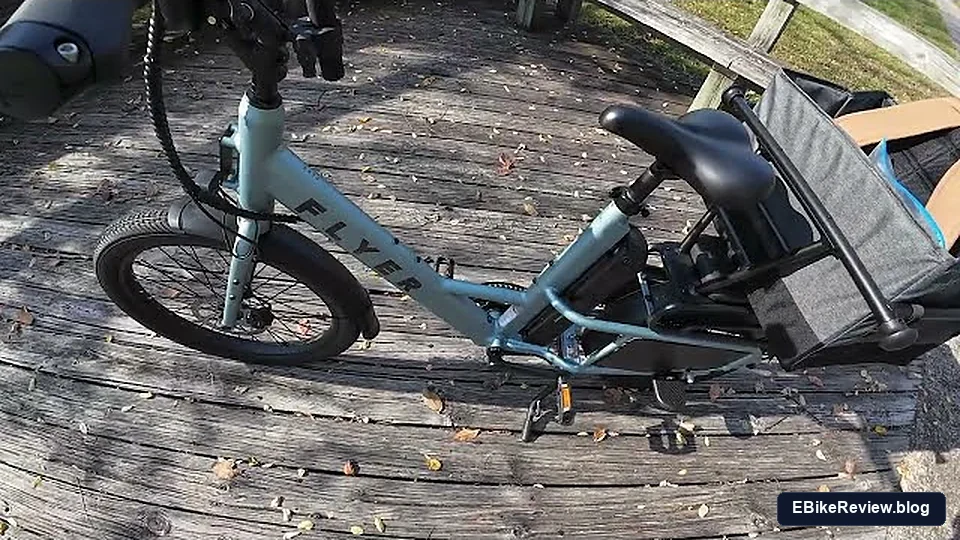
Selecting the right storage location dictates battery longevity, regardless of whether you run standard packs or models featured in our 48 vs 52 volt ebike battery guide. Keep ambient temperatures stable.
Avoid uninsulated garages, sheds, or exterior porches entirely. Extreme thermal fluctuations induce condensation inside the hard plastic casing, corroding sensitive circuit boards.
Maintain relative humidity levels below fifty percent. High moisture environments accelerate terminal oxidation and create conductive pathways across exposed bus bars.
Elevate storage containers off concrete floors. Direct concrete contact transfers sub-floor chill directly into the housing, disrupting internal thermal equilibrium.
- Store in dry rooms with stable, moderate temperatures.
- Never leave battery packs in uninsulated outdoor sheds.
- Keep relative humidity well below fifty percent indoors.
- Elevate storage bins off cold concrete garage floors.
Enclosure Insulation Techniques
Utilize double-walled plastic bins lined with non-conductive foam. This adds a critical thermal buffer against unexpected household temperature drops during severe winter storms.
Never wrap lithium packs in heavy blankets or thermal quilts. Trapping localized heat sources prevents proper dissipation and raises fire hazard risks.
- Line storage bins with non-conductive acoustic foam.
- Avoid insulating blankets that trap localized heat sources.
Disconnecting Accessories and Inspecting Terminal Contacts
Remove the battery pack completely from the bicycle frame before evaluating efficiency metrics with our e-bike range calculator. Leaving modules mounted allows parasitic loads to drain systems silently.
Inspect copper contact pads for oxidation or debris buildup. Clean dirty terminals gently using an isopropyl alcohol wipe and a non-abrasive nylon brush.
Apply a thin layer of dielectric grease to contacts. This protective barrier prevents moisture ingress and corrosion during humid winter storage phases.
Check mechanical locking mechanisms for smooth engagement. Ensuring secure latching prevents micro-vibrations from damaging electrical pins during seasonal handling.
- Detaching the battery prevents parasitic controller drains.
- Clean oxidation off copper pads using isopropyl alcohol.
- Apply dielectric grease to safeguard exposed terminal pins.
- Inspect mechanical locks for secure frame engagement.
Terminal Maintenance Workflow
Inspect rubber sealing gaskets for cracks or hardening. Degraded weather seals allow moisture to bypass protective barriers and reach sensitive internal wiring.
Replace compromised gaskets immediately using OEM-specified replacement parts. Proper sealing preserves the water resistance rating required for safe operation.
- Check rubber seals for stiffness or micro-cracks.
- Install OEM replacement gaskets if weather sealing fails.
Routine Voltage Monitoring and Periodic Maintenance Cycles
Lithium packs naturally self-discharge over extended storage periods. Check resting voltage monthly to catch capacity drops before deep discharge thresholds occur.
Top off the charge if voltage dips below safe limits. Connect the unit to a certified charger until state indicators reach fifty percent again.
Limit maintenance charging sessions to two hours maximum. Overcharging a dormant pack damages internal chemistry and reduces maximum cycle life.
Document all monthly voltage readings in a logbook. Tracking discharge trends helps identify failing cell groups before catastrophic failure happens.
- Monitor resting voltage levels on a strict monthly schedule.
- Top off capacity if readings drop below safe thresholds.
- Limit maintenance charge durations to two hours max.
- Maintain a detailed logbook of all monthly voltage metrics.
Recharging Safety Procedures
Perform maintenance top-offs on non-flammable concrete surfaces. Maintain a clear perimeter around the charging setup to prevent accidental fire spread.
Monitor internal charger temperatures during the short top-off cycle. Unplug immediately if abnormal heat buildup or unusual chemical odors occur.
- Charge only on clear, non-flammable workshop surfaces.
- Unplug immediately if unusual heat or odors develop.
Safe Spring Recommissioning and Post-Storage Diagnostics
Transitioning your battery back to active service requires patience. Allow the pack to acclimate to room temperature for six hours before connecting chargers.
Inspect all exterior housings for cracks or swelling. Any physical deformation indicates internal gas buildup, rendering the unit unsafe for operation.
Perform a full balance charge using the official manufacturer device. Monitor indicator lights closely until the green completion signal illuminates steadily.
Conduct a low-power bench test before riding outdoors. Verify motor cutoffs, display readouts, and throttle response function correctly under no-load conditions.
- Acclimate cold packs indoors for six hours before charging.
- Inspect outer casings for cracks, dents, or swelling.
- Complete a full balance charge with the OEM device.
- Perform a no-load bench test to verify system electronics.
Initial Load Testing Protocols
Mount the battery securely onto the bicycle frame rails. Engage the drive system while elevating the rear wheel off the workshop floor.
Apply gentle throttle input to test under light loads. Listen for unusual electrical hums or mechanical stuttering from the hub motor.
- Elevate the rear wheel before testing drive electronics.
- Listen carefully for abnormal electrical or mechanical hums.
Fire Prevention Standards and Dedicated Storage Enclosures
Prioritize safety by utilizing fireproof storage bags. Store packs inside UL-certified containers designed specifically to contain lithium-ion thermal runaway events.
Keep storage enclosures away from combustible household materials. Position heavy bins away from curtains, paper products, and flammable chemical solvents.
Install a working photoelectric smoke detector nearby. Early warning systems provide critical seconds to react if an electrical anomaly develops unexpectedly.
Keep a Class ABC fire extinguisher within arm's reach. Standard water extinguishers fail to suppress lithium fires effectively during severe emergencies.
- Use UL-certified fireproof bags for lithium storage.
- Keep storage bins away from household combustibles.
- Install photoelectric smoke detectors near charging stations.
- Keep a specialized Class ABC fire extinguisher nearby.
Emergency Response Preparedness
Establish a clear evacuation path from your storage area. Ensure family members understand the distinct hazards associated with rechargeable energy storage systems.
Never attempt to smother active thermal runaway events. Evacuate the structure immediately and contact local emergency response professionals without delay.
- Keep clear evacuation routes around storage zones.
- Evacuate immediately if thermal runaway symptoms appear.
Frequently Asked Questions
Can I leave my ebike battery plugged into the charger all winter?
Leaving your pack connected to a charger all winter continuously stresses the internal chemistry and accelerates degradation. Disconnect the unit once it reaches the recommended fifty percent storage charge level.
What happens if my ebike battery freezes in an unheated garage?
Freezing temperatures cause internal lithium plating that permanently reduces total capacity and damages cell structure. Always relocate packs to an indoor, temperature-controlled environment before severe winter weather arrives.
How often should I check the voltage of my stored ebike battery?
You should check the resting terminal voltage using a digital multimeter every thirty days during storage. Top off the charge immediately if the voltage reading drops below recommended safe thresholds.
Is it safe to charge a cold ebike battery right after bringing it indoors?
Charging a cold battery immediately causes dangerous lithium plating and can ruin the cells. Allow six hours for the internal core temperature to acclimate to room levels before initiating any charging cycle.
What is the ideal voltage range for storing a 36V ebike battery?
The ideal resting voltage for a standard 36V configuration sits between 36 volts and 38 volts. Maintain this range to minimize chemical stress and prevent deep discharge locking during months of inactivity.