How To Prevent Ebike Theft In Cities
Urban environments demand advanced security frameworks. Protect your heavy electrical transport using multi-layered physical locking strategies and electronic tracking redundancy.


Always secure both the frame and the primary wheel to a fixed anchor point using hardened steel shackles alongside secondary cable backups.
Looking for matching picks? See our Best Electric Bike: Top Commuter Picks for 2026.
Practical Quick-Reference Table
| Scenario / Metric | Recommended Target | Why It Matters |
|---|---|---|
| Shackle Diameter | Minimum 12 Millimeters | Prevents manual leverage and bolt cutting |
| Lock Certification | Sold Secure Gold or Diamond | Ensures independent testing against grinders |
| Parking Duration | Under Two Hours Peak | Reduces exposure windows in high-risk zones |
| Battery Storage | Detached and Indoors | Eliminates primary financial incentive for thieves |
| Anchor Security | Reinforced Concrete Mounts | Stops criminals from lifting locks upward |
| Tracking Backup | Cellular GPS Module | Provides real-time recovery coordinates if locks fail |
Urban Security Assessment And Risk Metrics
City environments present unique challenges for electric bike owners due to high population densities and rapid getaway routes. Evaluating your local crime statistics helps determine your required defense level.

Parking duration drastically impacts your exposure risk when operating our best commuter ebike picks in dense zones. Leaving machines unattended overnight requires commercial-grade structural anchors bolted into reinforced concrete substrates.
Assess street furniture before securing your frame to prevent structural leverage exploits. Municipal signposts and thin aluminum fencing offer zero resistance against hydraulic pipe cutters or basic leverage tools.
Lighting conditions and foot traffic density influence how long a perpetrator can tamper with locking mechanisms undisturbed. Opt for well-lit public corridors outfitted with operational closed-circuit surveillance cameras whenever possible.
- Analyze typical parking durations across your daily commuting route to gauge exposure windows.
- Inspect anchor post integrity to ensure thieves cannot lift locks over the top.
- Avoid isolated alleyways lacking active pedestrian traffic and security camera coverage.
- Prioritize official municipal bike racks bolted firmly into deep concrete foundations.
Evaluating Street-Level Vulnerabilities
Thieves frequently target commuter hubs during standard working hours when transit foot traffic creates natural visual camouflage. Blend your parking routine with randomized schedule shifts to disrupt reconnaissance efforts.
Assess nearby construction zones where heavy-duty cutting tools are common sights, reducing the acoustic alarm raised by an angle grinder. Maintain constant vigilance regarding surrounding environmental noise patterns.
- Monitor local transit hubs for recurring suspicious loitering patterns near racks.
- Vary your exact parking location within the same block daily.
Hardware Selection For High-Density Areas
Selecting robust hardware for urban transport or our best hunting ebike selections dictates whether your machine survives. Invest in sold-secure gold or diamond rated U-locks manufactured from hardened alloy steel.
Chain locks featuring hexagonal links resist bolt cutters far better than traditional round profiles. Ensure the individual steel links measure at least twelve millimeters in thickness to deter manual leverage tools.
Folding locks offer exceptional portability but require careful positioning away from ground leverage points. Always pair a compact folding mechanism with a thick secondary cable protecting removable components.
Disc-lock alarms add an extra layer of acoustic deterrence by triggering piercing sirens upon unauthorized motion. These electronic additions startle opportunistic thieves before they can deploy primary cutting gear.
- Verify independent testing certifications before purchasing any security hardware.
- Select shackle diameters exceeding twelve millimeters to prevent manual leverage attacks.
- Choose weather-resistant key cylinders that resist picking and winter freezing.
- Inspect locking mechanism housings for reinforced anti-drill steel plates.
Understanding Shackle Metallurgy
Modern thieves utilize portable thermal lances and cordless angle grinders requiring advanced metallurgical defenses. Look for molybdenum-infused steel alloys capable of resisting abrasive cutting disks.
Case-hardened exterior layers create extreme surface hardness while maintaining an inner core that absorbs impact energy without shattering. Avoid cheap cast iron locks entirely.
- Check manufacturer specifications for thermal treatment processes.
- Avoid untreated carbon steel shackles vulnerable to simple hacksaws.
Video Walkthrough: 7 Ways to Keep Your eBike SAFE From Theft (this could save you $1000s)
Proper Locking Geometries And Anchor Techniques
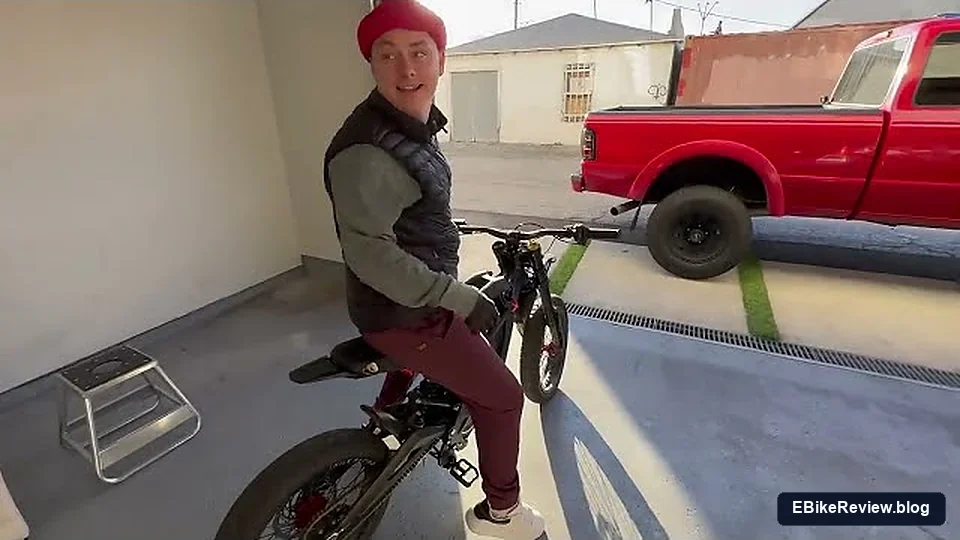
Master the filling-the-gap technique to protect heavy machines tested via our ebike range calculator tool against hydraulic jacks. Minimizing interior shackle space denies leverage to hydraulic spreading tools attempting to force mechanisms.
Always secure your frame triangle rather than removable wheels or seatposts alone. Pass the primary U-lock through the rear triangle and seat tube alongside a fixed anchor point.
Keep your locking mechanisms elevated at least two feet off the ground to eliminate leverage advantages. Positioning keyways downward prevents debris ingress and blocks direct hammer strikes.
Utilize a secondary cable to loop through your front wheel and saddle for comprehensive coverage. Layering different security devices forces perpetrators to carry multiple specialized tool sets.
- Fill empty U-lock space with frame tubes to block hydraulic jacks.
- Keep lock cylinders pointed toward the pavement to deter picking.
- Anchor the rear wheel and frame simultaneously to immovable fixtures.
- Wrap cables tightly to prevent tools from sliding underneath loops.
Advanced Frame Integration Methods
Securing heavy cargo haulers requires bridging multiple frame elements due to extended wheelbases. Deploy dual U-lock configurations locking both front and rear triangles independently.
Never attach locks exclusively to bolt-on components like handlebars or luggage racks easily removed with basic hex keys. Inspect all fastening points for tamper-proof hardware replacements.
- Bridge front and rear stays using articulating chain links.
- Replace standard stem bolts with security head fasteners.
Battery Removal And Component Mitigation Strategies
The propulsion pack represents the single most expensive replacement component on any modern electric commuter. Always detach and carry the lithium-ion power source with you inside buildings.
Leaving expensive display consoles mounted to handlebars invites casual vandalism and costly electronics replacement. Remove detachable screens whenever your machine sits unattended in public spaces.
Quick-release seatpost levers make saddle theft effortless for opportunistic urban criminals. Swap standard levers out for hex-key or keyed security skewers to protect your seating infrastructure.
Integrated frame batteries secured with robust keyed cylinders require careful daily inspection. Keep the lock cylinder lubricated with dry PTFE spray to ensure smooth extraction operations.
- Detach external battery packs and transport them indoors during extended stops.
- Remove handlebar display computers to eliminate temptation for casual vandals.
- Replace quick-release skewers with proprietary security bolts across all wheels.
- Inspect battery housing seals for signs of forced tampering attempts.
Managing Integrated Frame Batteries
Internal battery configurations eliminate external release handles but require vulnerable frame access panels. Protect internal locking cores with protective rubber port covers against moisture intrusion.
Ensure your frame key remains separate from your primary house keys to prevent total loss scenarios. Store spare keys securely in a dedicated indoor location.
- Keep physical keys detached from main keychains.
- Lubricate internal locks quarterly with graphite powder.
Electronic Tracking And Telemetric Recovery Setup
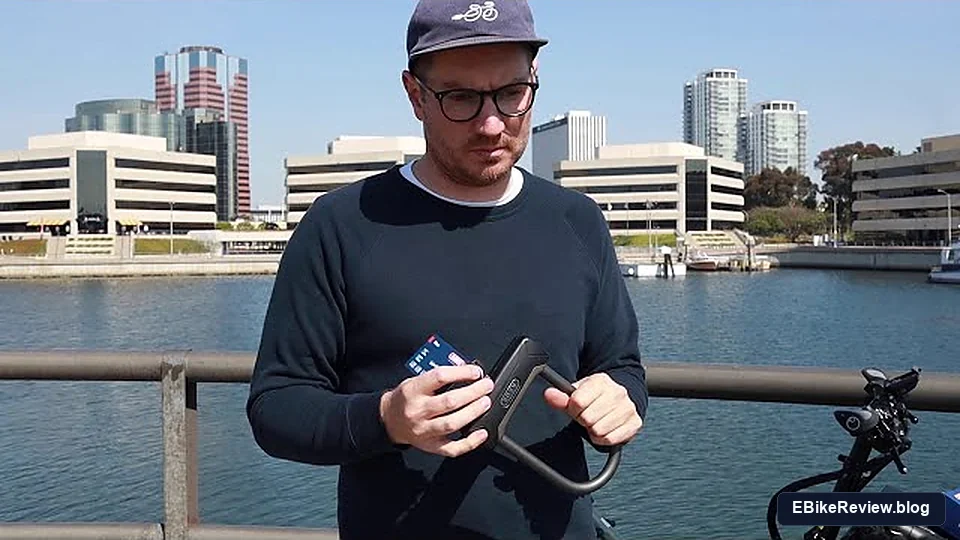
Physical security slows criminals down, but hidden electronic trackers provide recovery avenues if locks fail. Conceal GPS tracking beacons deep within internal frame tubes or motor housings.
Bluetooth proximity tags offer lightweight tracking within dense urban meshes without requiring monthly subscription fees. Pair these devices with stealth mounting brackets hidden beneath water bottle cages.
Cellular-enabled GPS modules deliver real-time coordinate updates across long distances during active theft recovery operations. Ensure your tracking device relies on a rechargeable internal battery lasting several months.
Register your vehicle frame serial number with national municipal databases immediately after purchase. Having official documentation accelerates police recovery and proves legal ownership during disputed recovery scenarios.
- Hide GPS trackers inside unnoticeable frame cavities or handlebars.
- Register unique serial numbers on national bike registry databases.
- Test tracking battery levels monthly to prevent unexpected power depletion.
- Avoid obvious tracker mounts easily spotted by experienced thieves.
Configuring Smart Alert Geofences
Set up digital boundary alerts through your tracking application to receive immediate motion notifications. Immediate awareness allows you to contact local authorities before transport occurs.
Never attempt a solo recovery confrontation if your telemetric tracking locates the stolen vehicle. Share exact coordinates directly with trained law enforcement personnel for safe retrieval.
- Enable instant push notifications for unauthorized vibration alerts.
- Coordinate exclusively with police during physical retrieval operations.
Video Walkthrough: E-Bike Defense // How to Steal a Surron
Routine Hardware Inspections And Maintenance Protocols
Security hardware suffers from weather exposure, road salt, and physical impacts over thousands of miles. Inspect your locking mechanisms monthly for internal corrosion or grit accumulation.
Clean key cylinders using specialized dry lubricants rather than wet oils that attract abrasive dirt particles. Maintaining smooth internal tumblers prevents unexpected roadside lock jams during busy commutes.
Check mounting bolts securing fixed urban bike infrastructure before locking models evaluated in our best ebike mountain bike reviews. Loose anchor bolts allow criminals to pull posts from decaying concrete sidewalks.
Replace any security chain showing deep surface oxidation or compromised fabric sleeve protection immediately. Worn sleeves expose hardened steel links to corrosive environmental elements and premature failure.
- Inspect lock tumblers monthly and apply dry graphite lubricant.
- Check public anchor bolts for stability before securing frames.
- Replace frayed protective fabric sleeves on heavy chain links.
- Test alarm batteries on smart locks and disc units quarterly.
Workshop Setup For Lock Maintenance
Maintain a dedicated workbench area equipped with degreasers, dry lubricants, and cleaning brushes. Proper workshop organization ensures your security gear remains fully operational throughout winter seasons.
Keep spare keys and registration documents stored securely away from your primary garage workshop. Document all lock serial numbers inside a secure digital password manager.
- Organize workbench maintenance tools for rapid security checks.
- Store digital backup keys in encrypted cloud storage.
Frequently Asked Questions
What is the most secure lock type for urban commuting?
Sold Secure Gold or Diamond rated U-locks combined with hardened steel chains provide maximum protection against urban criminals. Always secure both the heavy frame and primary rear wheel directly to a verified fixed anchor point using tight geometries.
Furthermore, investing in certified alloy steel shackles ensures optimal resistance against portable thermal cutting tools deployed in high-risk metropolitan areas.
Should I always remove my electric bike battery in public?
Removing your lithium-ion power source eliminates the primary financial incentive for opportunistic thieves operating in busy downtown districts. Additionally, carrying your battery indoors prevents extreme weather exposure and deters casual vandalism targeting expensive electronics.
Always store detached power packs in a cool, dry indoor environment while your machine remains parked outside during long shifts.
How do I choose a safe location to park my electric bicycle?
Prioritize well-lit public corridors outfitted with operational security cameras and heavy pedestrian foot traffic throughout the day. Avoid isolated alleyways, decaying signposts, and unanchored fences offering zero resistance against basic leverage tools.
Selecting official municipal bike racks bolted securely into reinforced concrete foundations significantly reduces your overall urban theft exposure risk.
Can I rely solely on a GPS tracker to protect my vehicle?
Electronic tracking beacons provide vital recovery avenues if physical security fails, but they cannot prevent an initial theft attempt. Conceal hidden GPS modules deep inside frame cavities while using heavy-duty mechanical locks as your primary defense layer.
Combining active telemetric alerts with robust physical hardware ensures comprehensive protection across high-density metropolitan commuting environments every single day.
How often should I maintain my locking mechanisms and security hardware?
Inspect your locking mechanisms monthly for grit accumulation, and apply dry graphite lubricants to keep internal tumblers moving smoothly. Regular maintenance prevents unexpected roadside jams during cold winter weather conditions.
Always check surrounding anchor posts for structural stability before securing your valuable transportation equipment in unfamiliar urban public locations throughout the year.