Do Electric Bikes Need Insurance: Technical Legal Guide
Technical evaluation of e-bike legal requirements, policy definitions, and asset protection strategies. Understand state vehicle codes and insurance implications.

While most jurisdictions do not legally mandate policies for standard Class 1 and 2 models, purchasing dedicated coverage protects against high-value theft and liability risks.
Looking for matching picks? See our Best Electric Bike: Top Commuter Picks for 2026.
Practical Quick-Reference Table
| Scenario / Metric | Standard Requirement | Technical Consideration |
|---|---|---|
| Class 1 E-Bike (20 mph) | Rarely Mandated | Treat as standard bicycle under local municipal vehicle codes. |
| Class 3 E-Bike (28 mph) | Varies by State | Higher speeds often trigger moped or motor-driven cycle definitions. |
| Homeowner Coverage | Excludes Motors | Standard policies explicitly limit or omit motorized cycle liabilities. |
| Dedicated Policy | Optional / Recommended | Covers comprehensive theft, collision, and medical payments. |
| Delivery Operations | Strictly Required | Commercial or gig-work usage voids personal policy provisions. |
| Asset Replacement | Depreciated Value | Documentation of motor serials and battery health is critical. |
Analyzing Legal Classifications and Regulatory Frameworks
State and local jurisdictions categorize electric bicycles based on motor wattage output and maximum assisted speed. Understanding these distinct classifications dictates whether mandatory registration or minimum liability coverage applies to your specific ride.
Budget-conscious commuters exploring these legal classes often compare options inside our best top 5 electric bikes under $1000 roundup to find affordable, fully compliant transport vehicles.
Municipalities hold the ultimate authority to enforce local path regulations, helmet laws, and licensing parameters. Riders must verify regional Department of Motor Vehicles guidelines to ensure full compliance with evolving transport statutes.
- Review local motor wattage limits (typically 750 watts maximum).
- Distinguish between throttle-on-demand and pedal-assist activation systems.
- Check municipal multi-use path speed restrictions before commuting.
- Verify if your model exceeds statutory bicycle speed thresholds.
Class 3 Speed Thresholds and Legal Distinctions
Class 3 models reach assisted speeds up to twenty-eight miles per hour. This velocity profile frequently shifts regulatory scrutiny toward motorized cycle classifications.
Jurisdictions often prohibit Class 3 equipment from utilizing standard pedestrian pathways. Operators should anticipate stricter licensing prerequisites when traveling across municipal boundaries.
- Confirm operational status of the built-in speedometer.
- Observe mandatory helmet requirements specific to high-speed models.
- Avoid restricted pedestrian trails and recreational greenways.
Risk Assessment for High-Speed Commuter E-Bikes
Upgrading to robust commuter builds featured in our best electric bikes under 2000 review helps mitigate these risks through integrated safety components and dependable hydraulic brakes.

Kinetic energy scales exponentially with vehicle weight and travel speed. Heavy battery packs and reinforced frames increase collision impact forces, raising potential personal injury liabilities significantly during accidents.
Urban environments present persistent theft threats targeting high-value lithium-ion power sources and hub motors. Mitigating these localized hazards requires robust physical security and comprehensive asset tracking systems.
- Calculate daily mileage exposure against local traffic accident statistics.
- Assess battery weight distribution impacts on emergency braking distances.
- Evaluate parking security risks at primary destination hubs.
- Factor component wear rates into overall replacement budgeting.
Evaluating Kinetic Energy and Braking Physics
Hydraulic disc brakes must dissipate significantly higher thermal loads on heavy electric models. Stopping distances increase substantially when wet road surfaces compound vehicle momentum.
Routine pad inspection prevents catastrophic stopping failure under high-velocity commuting conditions. Proper rotor maintenance directly influences overall rider safety margins.
- Measure rotor thickness against manufacturer wear tolerances.
- Bleed hydraulic fluid annually to eliminate trapped air bubbles.
Video Walkthrough: How and Why to Insure Your Ebike - Do you need insurance for an electric bike?
Evaluating Homeowners and Renters Policy Limitations
Homeowners insurance policies frequently contain explicit exclusions for motorized land vehicles. Relying on standard residential packages to cover your high-end frame usually results in denied theft claims.
Riders purchasing economical models from our best electric bikes for adults under 1000 selection should evaluate standalone marine or transit policies to ensure complete asset protection.
Liability extensions within renters insurance rarely cover accidents involving motorized cycles. Reviewing specific policy endorsements prevents unexpected financial exposure following an on-road collision incident.
- Read policy jacket definitions regarding motorized conveyance equipment.
- Identify specific sub-limits applied to portable electronic assets.
- Check whether off-premises theft protection requires a specialized rider.
- Confirm liability exclusion clauses regarding public roadway operation.
Navigating Policy Riders and Endorsement Options
Securing scheduled personal property endorsements bridges critical gaps in standard residential contracts. These additions ensure your machine is covered at full appraised replacement value.
Insurers typically require detailed purchase receipts and unique serial number logs. Maintaining digital asset records expedites claim processing following a verified theft event.
- Submit original purchase documentation to your insurance agent.
- Photograph all frame serial numbers and custom component upgrades.
Specialized Personal Liability and Theft Coverage
Dedicated transport policies provide robust protection tailored specifically to modern micro-mobility machines. These standalone contracts cover medical payments, bodily injury, and uninsured motorist incidents directly.
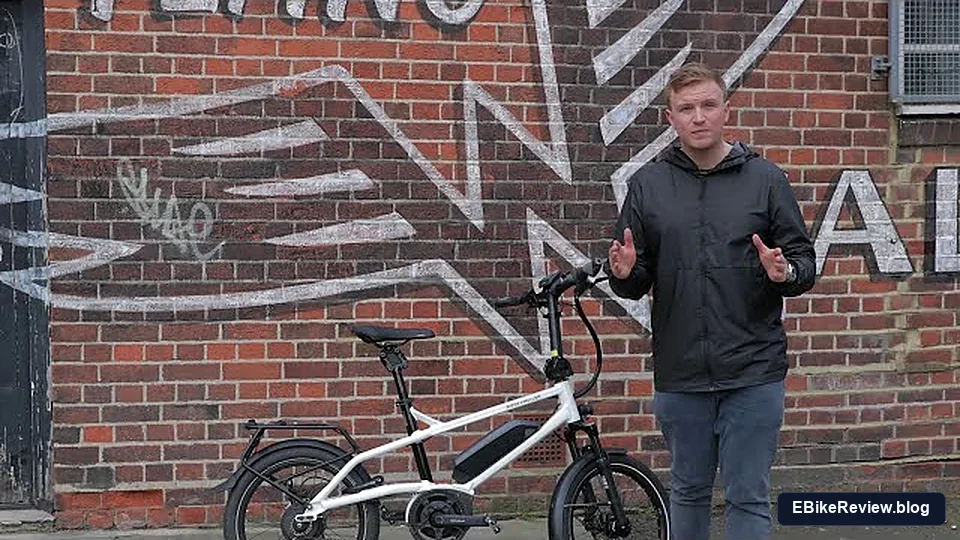
Before estimating long-distance commutes or battery degradation rates using our e-bike range calculator, confirm that your chosen parking locations meet all underwriter security mandates.
Medical payments coverage assists with out-of-pocket expenses following a single-rider crash. Protecting your physical health remains paramount when navigating aggressive urban traffic corridors.
- Verify third-party liability limits before signing policy agreements.
- Check if roadside assistance is included for mechanical breakdowns.
- Review deductible amounts relative to total machine replacement costs.
- Ensure collision damage covers bent frames and fork assemblies.
Understanding Minimum Security Standards for Theft Claims
Insurers frequently require policyholders to utilize Gold or Diamond rated locking mechanisms. Failing to secure the frame to an immovable anchor point voids theft protection.
Store security logs and parking garage receipts when filing complex comprehensive claims. Underwriters scrutinize preventive measures rigorously before disbursing replacement funds.
- Purchase certified Sold Secure locks matching policy mandates.
- Always capture time-stamped photos of your locked setup.
Commercial Use Criteria and Fleet Operations
Utilizing your machine for commercial food delivery or courier services voids personal insurance entirely. Commercial operators must secure business-specific policies to maintain legal operating status on public streets.
High-frequency commercial usage accelerates mechanical wear on drivetrains and electrical systems. Insurers evaluate these heavy-duty duty cycles differently than standard recreational riding habits.
Fleet managers face distinct liability exposures across multiple employee operators. Comprehensive commercial agreements protect business assets from catastrophic litigation following serious roadway collisions.
- Disclose courier activities clearly during initial policy underwriting.
- Maintain strict maintenance logs for all commercial fleet units.
- Verify worker compensation coverage for employed delivery personnel.
- Inspect frame structural integrity weekly under heavy commercial stress.
Mitigating Fleet Liability and Operational Risks
Implementing pre-trip inspection protocols reduces mechanical failure rates significantly across active fleets. Documenting brake and tire checks satisfies strict commercial regulatory standards.
Training programs ensure riders understand defensive maneuvering techniques in dense traffic. Lower incident frequencies translate directly to stabilized commercial premium rates.
- Mandate digital pre-trip checklists for all shift workers.
- Conduct routine mechanical audits of high-wear components.
Mechanical Asset Valuation and Claim Documentation
Accurate asset valuation ensures you receive proper financial compensation during total loss scenarios. Insurers calculate payouts based on depreciated market value unless agreed-value endorsements apply.
Lithium battery degradation significantly impacts overall machine valuation over extended service lifespans. Maintaining clear records of battery health cycles prevents valuation disputes during claims processing.
Preserving damaged components after a collision aids forensic adjusters in determining exact failure points. Professional repair shops provide essential diagnostic reports required by insurance adjusters.
- Keep digital copies of all major component purchase receipts.
- Track total battery charge cycles using diagnostic display tools.
- Obtain professional appraisal documentation for custom custom builds.
- Store maintenance records in a centralized digital archive.
Managing Total Loss Settlements and Depreciation
Depreciation schedules apply rapidly to consumer electronic transport equipment during initial ownership years. Agreed-value contracts bypass standard depreciation formulas by locking replacement values upfront.
Reviewing settlement offers carefully ensures replacement hardware matches original technical specifications. Do not accept initial payouts before verifying component grade parity.
- Request itemized valuation reports from insurance adjusters.
- Compare settlement offers against current retail market prices.
Frequently Asked Questions
Do standard homeowners policies cover my electric bike?
Most residential contracts exclude motorized vehicles, meaning standard policies will deny damage and theft claims. Always verify specific policy exclusions with your agent.
Are Class 1 electric bikes legally required to carry insurance?
Regional laws rarely mandate liability policies for low-speed models. However, voluntary coverage remains wise for protecting against high-value theft.
What happens if I use my personal ride for food delivery?
Commercial tasks immediately void standard personal policies. You must acquire a dedicated commercial delivery endorsement to remain fully protected.
How do insurers calculate the payout value of a total loss?
Underwriters evaluate current market depreciation and battery health metrics. Purchasing agreed-value coverage ensures you receive full replacement cost without deductions.
What specific security steps do insurers require for theft coverage?
Underwriters typically mandate certified high-security locks attached to immovable objects. Failing to follow strict parking security rules will invalidate claims.