Can You Use an Ebike in the Rain Safely
Weather conditions heavily impact electrical components. Understanding ingress protection ratings ensures safe daily commuting.

You can ride in wet weather if components meet IPX4 or higher ratings. Avoid deep standing water to protect internal wiring.
Looking for matching picks? See our Best Electric Bike: Top Commuter Picks for 2026.
Practical Quick-Reference Table
| Scenario / Metric | Recommended Target | Why It Matters |
|---|---|---|
| IP Rating | IPX5 minimum | Protects against low-pressure water jets from any direction. |
| Tire Pressure | Reduce by 3-5 PSI | Increases contact patch for better mechanical grip on wet asphalt. |
| Chain Lube | Wet-weather PTFE formula | Repels moisture and prevents rapid corrosion of steel links. |
| Brake Pads | Semi-metallic compounds | Maintain consistent stopping friction when rotors are soaked. |
| Battery Storage | Indoor ambient room temp | Prevents condensation buildup inside the internal cell housing. |
| Water Depth | Below axle level | Keeps hub motors and wiring harnesses dry and functional. |
Electrical Ingress Protection and Water Resistance Standards
Modern electric bicycles rely on delicate wiring harnesses, displays, and controllers. Manufacturers use IP rating standards to measure resistance against moisture and solid particle intrusion.
When seeking rugged weather protection for tough outdoor trails, check out our best hunting ebike for the money guide to find sealed frames that withstand heavy mud and rain.
Sealed connectors utilize rubber O-rings to block moisture. Inspect these seals regularly because degraded rubber compromises the weatherproofing integrity of your entire electrical drive system.
Never assume an unsealed port is waterproof. Always secure rubber charging port covers tightly before riding through puddles or unexpected rainstorms.
Understanding IP ratings is vital for assessing your electric bike's ability to resist water ingress during heavy downpours. Look for an IPX5 or higher certification on the main battery and motor housing.
The IPX4 rating protects against splashing water from any direction, which suffices for light drizzle. However, sustained high-pressure water jets or deep puddles require IPX6 waterproof seals to prevent internal electronic short circuits.
Rubber gaskets degrade over time due to UV exposure and thermal cycling. Inspect your controller housing seals every six months to maintain factory-grade moisture barriers against driving rain and road spray.
Never pressure wash your electric bicycle, as direct high-pressure streams exceed the ingress protection limits of standard commuter hubs. Use a low-pressure garden hose or a damp microfiber cloth for cleaning.
- Verify the controller housing has a gasket-sealed aluminum cover.
- Check display unit buttons for rubberized weatherproof membrane seals.
- Inspect external motor cable entry points for cracking or wear.
- Avoid submerging any part of the motor axle or crank.
Evaluating Controller Compartment Sealing
The controller box houses sensitive circuit boards regulating power output. Open this enclosure during annual maintenance to check for internal condensation.
Apply a thin layer of dielectric grease on all internal plug terminals. This creates a barrier against moisture intrusion without blocking electrical current flow.
- Remove housing screws carefully to avoid stripping threads.
- Look for white powdery corrosion deposits on circuit pins.
- Re-torque housing bolts evenly to compress the rubber gasket.
Frame Sizing and Weight Distribution on Wet Surfaces
Heavy-duty models like those featured in our best hunting ebike roundup require correct frame sizing to ensure your center of gravity remains balanced during slick cornering maneuvers.
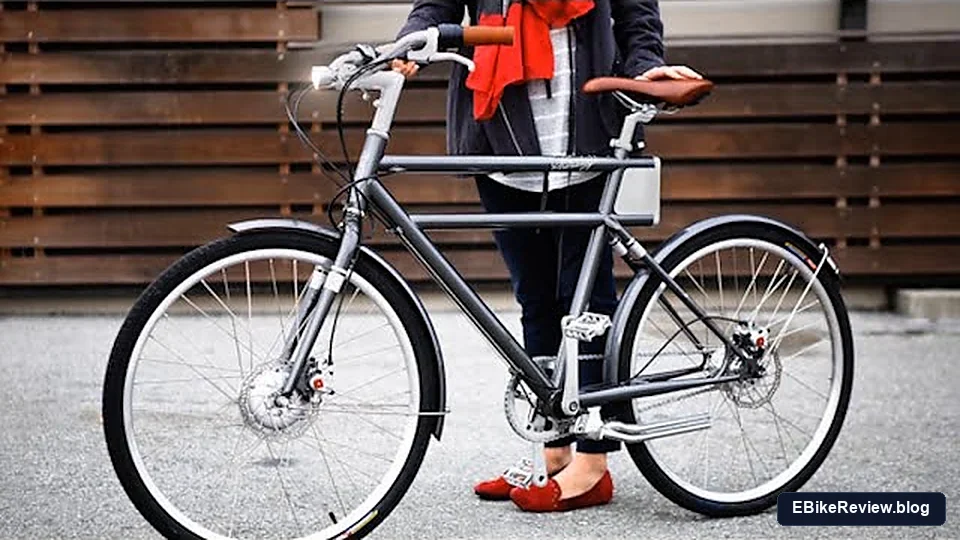
A properly fitted frame allows your weight to distribute evenly over both wheels. This balance prevents the front tire from washing out on wet painted road lines.
When stopping on slippery pavement, slight geometry adjustments help maintain control. Keep your torso upright and avoid sudden shifts in body weight during hard braking.
Correct frame sizing influences your center of gravity, which directly impacts stability when riding on slick, rain-soaked pavement. A properly fitted frame allows optimal weight distribution between both wheels.
Shifting body weight backward slightly reduces front-wheel washout during sudden cornering maneuvers on wet asphalt. Maintain a balanced posture with your pedals level to maximize tire contact patch traction.
Low-step frames often place heavy battery packs along the lower downtube, altering handling dynamics. Ensure your cargo weight distribution does not exceed the manufacturer maximum payload rating in wet weather.
- Ensure your standover height provides safe clearance on slippery ground.
- Adjust saddle height to keep your heels low during stops.
- Check handlebar reach to maintain an upright, stable posture.
- Verify frame welds show no stress fractures under heavy loads.
Center of Gravity Management in Slippery Corners
Heavy mid-drive motors keep weight centralized low in the frame. This low center of gravity actually improves stability compared to rear hub setups.
Weight distribution directly affects tire traction during wet turns. Avoid leaning your bike aggressively when roads are coated in fresh rainwater.
- Keep pedals level when executing sharp turns in the rain.
- Brake before entering the corner rather than during the turn.
Video Walkthrough: Can You Ride an E-bike in the RAIN?
Pre-Ride Inspection Checklist for Wet Weather Commutes
Conducting a thorough pre-ride inspection prevents dangerous mechanical failures during stormy commutes. Check every vital fastening bolt before rolling out into wet conditions.

Battery lock security prevents electrical arcing caused by vibration and moisture entry. Ensure the pack clicks firmly into the down tube mounting cradle.
Test your electronic throttle and pedal assist sensors while stationary. Intermittent signals indicate water inside the sensor housing that requires immediate attention.
Execute a systematic pre-ride inspection before rolling out into wet conditions to catch compromised seals or loose components. Check that all rubber charging port plugs are fully seated and locked.
Spin both wheels to verify that fenders maintain adequate tire clearance to prevent mud and debris accumulation. Inspect quick-release levers to ensure they are securely clamped and free from grit.
Test your headlight and taillight functionality to guarantee high visibility for motorists during heavy rainstorms. Verify that lens covers are moisture-free internally to prevent premature LED circuit failure.
- Confirm battery lock cylinder engages with a solid click.
- Test headlight and taillight visibility for overcast daytime riding.
- Check fender mounting bolts to prevent rattling against tires.
- Verify throttle lever springs back instantly when released.
Verifying Throttle and Display Responsiveness
Moisture inside throttle assemblies can cause unintended motor engagement. Test the throttle response before mounting the saddle in wet weather.
Ensure the display screen reads error codes accurately. Faulty sensor connections often trigger diagnostic warnings when water enters the system.
- Disconnect battery power before wiping down display panels.
- Check handlebar control pods for loose housing screws.
Tire Pressure Adjustments and Traction Dynamics in Rain
Rain mixes with road oils to create extremely slick asphalt surfaces. Lowering your tire pressure by three to five PSI increases your contact patch for better grip.
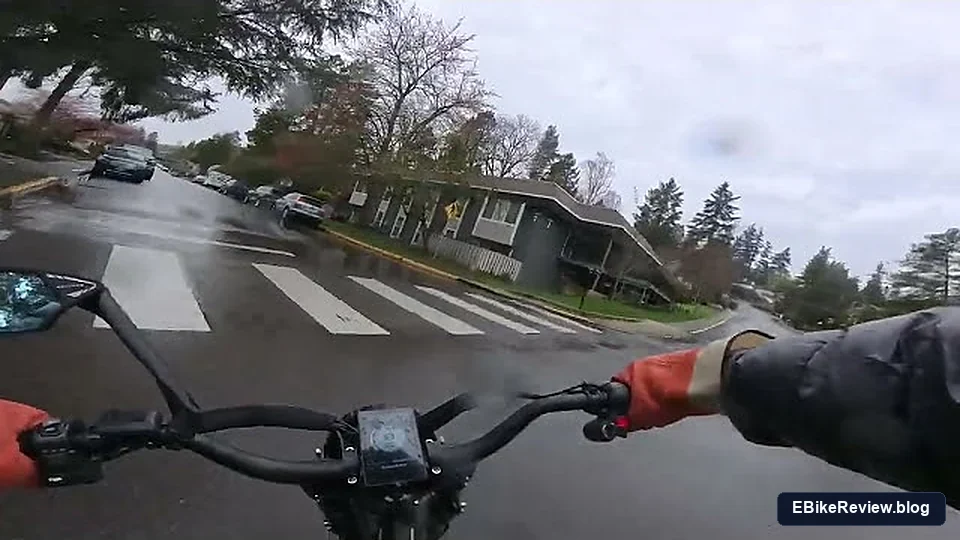
Upgrading to our best commuter ebike picks ensures your daily ride features wider tires capable of safely displacing standing water during wet urban commutes.
Inspect your tread depth frequently to ensure adequate water channeling. Bald rubber cannot push water away, leading to hydroplaning conditions on wet pavement.
Lowering your tire pressure by three to five PSI increases the contact patch surface area on wet roads. This adjustment improves mechanical grip without causing dangerous rim pinch flats over potholes.
Inspect your tire tread depth regularly, ensuring a minimum of one and a half millimeters remains on commuter tires. Worn treads cannot efficiently channel water away, leading to dangerous hydroplaning.
Avoid painted road markings, metal utility covers, and wet autumn leaves, as these surfaces drastically reduce rubber friction coefficients. Lean your bike less aggressively when executing turns in the rain.
- Use a digital pressure gauge for accurate PSI measurements.
- Avoid riding on tires with worn center tread ribs.
- Keep pressure slightly below maximum ratings for added compliance.
- Check sidewalls for cracking that could fail under wet loads.
Common Electrical Failures and Moisture Troubleshooting
Water infiltration typically manifests as intermittent power loss or sudden error codes. If your system cuts out, power down immediately to prevent permanent board damage.
Disconnect all external wiring plugs and inspect for trapped water droplets. Use a compressed air can to blow moisture out of stubborn connector pins.
Never use high-pressure washers on electric bicycles. The intense water stream forces moisture past rubber seals directly into sensitive battery management systems.
While drying your electronics, use our ebike range calculator to estimate how battery efficiency drops in cold, wet weather conditions that often trigger false error codes on your display console.
Apply a specialized dielectric grease to all exposed wiring harness connectors to repel moisture effectively. This preventative step stops galvanic corrosion from destroying delicate gold-plated contact pins.
If your motor cuts out unexpectedly during a storm, allow the assembly to dry completely in a heated room. Never use a high-heat hair dryer on sensitive electronic controller components.
- Allow components to dry completely in a warm room.
- Clean corroded battery contacts with isopropyl alcohol swabs.
- Test the system functionality step-by-step after drying.
- Consult professional technicians if error codes persist.
Resolving Persistent Display Error Codes
Display errors often stem from moisture bridges across communication pins. Clear these faults by unplugging the main harness and applying contact cleaner.
Allow the chemical solvent to evaporate completely before reassembling plugs. Secure connections with heat-shrink tubing for extra weather protection.
- Identify the specific error code using your manual.
- Inspect cable runs for insulation cuts or pinches.
Post-Ride Maintenance Protocols and Component Drying
Proper post-ride care extends the lifespan of your electric bicycle components significantly. Wipe down the frame and drivetrain immediately after arriving in rainy weather.
Remove the battery pack and dry the connection terminals with a microfiber towel. Storing the battery indoors at room temperature prevents internal condensation buildup.
Apply a protective rust-inhibitor spray to exposed steel hardware. Keeping fasteners dry prevents seized bolts during subsequent seasonal maintenance sessions.
Initiate post-ride maintenance immediately after returning from a wet commute to prevent flash rust on steel fasteners. Wipe down the entire frame, chain, and exposed hardware with a clean rag.
Lubricate your chain with a wet lube formula designed to displace moisture and withstand rain washout. Wipe away excess oil to prevent road grit from forming an abrasive grinding paste.
Remove the battery if stored in a damp garage, wiping the terminal contacts with a dry cotton swab. Store lithium-ion cells at recommended room temperatures to preserve overall battery health.
- Store batteries away from direct moisture and extreme cold.
- Wipe fork stanchions clean to protect wiper seals.
- Hang wet riding gear separately to dry components.
- Check brake rotors for oily residue accumulation.
Brake Pad Wear and Hydraulic System Performance in Wet Conditions
Wet roads drastically reduce stopping power by lubricating rotor surfaces. Semi-metallic brake pads offer superior bite in wet weather compared to organic compounds.
Inspect your brake pads frequently because water accelerates abrasive wear rates. Squealing noises usually indicate water contamination or worn friction material.
Hydraulic brake systems maintain consistent lever feel during heavy rainstorms. Bleed your hydraulic lines annually to remove trapped moisture from the mineral oil.
Wet weather accelerates brake pad wear exponentially due to the abrasive slurry of water and road grit. Inspect your organic or metallic pads weekly to ensure sufficient friction material remains.
Hydraulic disc brakes require clean mineral oil or DOT fluid, depending on the manufacturer specification. Contaminated rotors will emit a loud squeal and severely reduce your stopping distance in emergencies.
Clean your brake rotors using dedicated disc brake cleaner to remove oily residues and road film. Test your brakes carefully at low speeds before descending steep, wet hillsides.
- Check pad thickness to ensure at least two millimeters remain.
- Clean brake rotors using dedicated disc brake cleaner sprays.
- Test stopping distance on a safe, dry patch before commuting.
- Replace contaminated brake pads immediately to restore safety.
Frequently Asked Questions
Can heavy downpours permanently ruin an electric bicycle motor?
Most hub and mid-drive motors feature sealed waterproof housings that resist heavy rain. However, submerging the motor axle in deep water will bypass seals and destroy internal windings.
How should I dry my battery terminals after a wet ride?
Remove the battery pack and wipe down contacts using a clean microfiber cloth. Apply a small amount of contact cleaner to displace lingering moisture before indoor storage.
Is it safe to charge my ebike battery immediately after a rainy commute?
Always let the battery warm up to room temperature and dry completely before plugging it in. Charging wet ports creates severe short-circuit risks that can damage internal cells.
Do fenders make a noticeable difference when riding in wet weather?
Full-coverage fenders block road spray from soaking your motor connectors and clothing. Installing quality fenders is a crucial upgrade for dependable wet-weather commuting.
What brake type performs best during rainy conditions?
Hydraulic disc brakes paired with semi-metallic pads deliver the most reliable stopping power. They maintain consistent friction even when completely soaked by road puddles.