Can You Leave An Electric Bike Outside: Technical Risks
Leaving your electric bike outside exposes delicate electronic systems and mechanical components to severe environmental stress. Understanding these specific vulnerabilities protects your long-term investment.

Leaving an electric bike outside is generally strongly discouraged due to severe moisture and temperature risks that degrade the battery and electronics. Always prioritize indoor storage when possible.
Looking for matching picks? See our Best Electric Bike: Top Commuter Picks for 2026.
Practical Quick-Reference Table
| Scenario / Metric | Recommended Target | Why It Matters |
|---|---|---|
| Storage Temperature | 10°C to 25°C | Prevents chemical degradation in lithium cells. |
| Relative Humidity | Below 60% | Stops oxidation on electrical contact points. |
| Direct Sunlight | Minimal / Shaded | Protects display screens and tire rubber integrity. |
| Rain Exposure | Water-Resistant Only | Prevents moisture ingress into controller housings. |
| Battery Removal | Always Indoors | Mitigates capacity loss and thermal runaway risks. |
| Cover Usage | Breathable Material | Reduces condensation buildup under protective layers. |
Weather Exposure and Frame Degradation Mechanisms
Modern electric bicycle frames utilize advanced aluminum or carbon fiber alloys designed for outdoor use. However, prolonged exposure to relentless precipitation accelerates galvanic corrosion at metallic fastener junctions.

Unprotected outdoor parking subjects your bicycle to constant thermal cycling. This extreme temperature fluctuation causes micro-expansion in frame welds, which gradually weakens structural integrity over extended periods.
Moisture pooling inside hidden cable routing ports creates an ideal environment for galvanic reactions. These unseen chemical processes slowly compromise internal wiring harnesses without immediate external warning signs.
Airborne pollutants combined with morning dew form acidic compounds on painted frame surfaces. Over time, this chemical film etches the clear coat and exposes bare metal to oxidation.
- Avoid leaving metallic frames in standing water pools.
- Inspect welded joints regularly for early rust signs.
- Apply specialized anti-corrosion sprays to vulnerable bolts.
- Keep frame drainage ports completely clear of debris.
Evaluating Moisture Accumulation Risks
Rainwater rarely runs off modern e-bike frames completely clean, especially when you ride models found in our best electric bike guide. It carries particulate matter straight into tight crevices.
Trapped moisture creates localized electrochemical cells that rapidly pit aluminum surfaces and seize threaded components permanently within their respective housings.
- Wipe down frames after unexpected rainstorms.
- Use compressed air to clear hidden water traps.
Lithium-Ion Battery Vulnerabilities in Sub-Optimal Climates
Lithium-ion power packs are exceptionally sensitive to ambient temperature extremes. Storing your battery outside during freezing nights causes permanent, irreversible capacity loss in the internal chemical cells.
Conversely, leaving power packs in direct summer sunlight raises internal temperatures beyond safe thresholds. This thermal stress degrades electrolyte solutions and triggers protective bms shutdowns permanently.
Moisture intrusion inside the battery casing poses severe safety hazards. Water bridging internal cell groups can cause short circuits, resulting in catastrophic thermal events or complete power failure.
Charging a cold battery left outside is extremely hazardous. Cold chemistry prevents proper lithium-ion intercalation, causing metallic dendrite growth that punctures internal separators.
- Never store lithium batteries below freezing temperatures.
- Detach the power pack and bring it indoors daily.
- Keep charging ports tightly sealed against rain.
- Shield battery terminals from conductive dirt buildup.
Managing Thermal Stress on Power Packs
Temperature fluctuations cause condensation to form inside sealed battery housings. This trapped internal moisture corrodes delicate balancing circuits over time.
Insulated storage bags offer minimal protection against prolonged outdoor freezing conditions. True indoor climate control remains the only effective preventative measure.
- Monitor cell health via diagnostic display apps.
- Store packs at fifty percent charge indoors.
Video Walkthrough: Where Do You Store an Electric Bike | E-Bike Questions
Electrical Connector Corrosion and Water Intrusion Points

Electric bicycles rely on complex wiring harnesses to transmit power. Outdoor storage exposes these vital components, even on our best budget electric bike choices, to relentless moisture penetration and subsequent pin oxidation.
Water pooling inside throttle housings and controller compartments creates persistent electrical resistance. This unwanted resistance manifests as erratic throttle response, error codes, or total system failure.
Display units mounted on handlebars feature sensitive electronic screens prone to moisture fogging. Ultraviolet radiation from sun exposure yellows these plastic lenses and degrades internal gaskets.
Hub motors feature axle exit points where power cables enter the casing. Rainwater follows these wire paths directly into the stator windings, causing internal rust and short circuits.
- Apply dielectric grease to all external plugs.
- Cover handlebars with waterproof wraps during storms.
- Inspect controller box seals for cracking rubber.
- Check motor cable entry grommets for gaps.
Protecting Hub Motor Axle Seals
The mechanical seals around hub motor axles wear down over time. Rainwater standing on the swingarm or dropouts easily breaches these aging rubber barriers.
Once water enters a hub motor, it mixes with magnetic dust to form an abrasive sludge that destroys internal bearings and copper windings rapidly.
- Park with axles oriented to shed moisture.
- Inspect axle seal integrity during tune-ups.
Tire Degradation UV Damage and Rubber Compound Risks
Tire rubber compounds degrade rapidly when subjected to constant ultraviolet radiation. Leaving your bike outside, especially heavy trail models from our best electric mountain bike lineup, causes sidewall cracking and premature fatigue.
Swinging outdoor temperatures cause pressure fluctuations inside pneumatic tires. Low pressure combined with moisture encourages bead rot and allows rim corrosion to take hold.
Pothole-resistant tires feature stiff casings that become brittle when exposed to freezing outdoor climates. This brittleness increases the likelihood of catastrophic blowout failures under load.
Valves exposed to rain and outdoor grime collect debris that compromises core seals. This leads to slow leaks that ruin inner tubes before your next ride.
- Check tire pressure weekly if stored outdoors.
- Inspect sidewalls for micro-cracks regularly.
- Keep valve caps securely tightened at all times.
- Apply UV-blocking protectant to tire rubber.
Preventing Rim and Spoke Oxidation
Moisture trapped inside double-walled rims attacks spoke nipple threads. This hidden corrosion leads to loose spokes and out-of-true wheels over time.
Alloy rims exposed to road salt and rain develop pitting around the braking surfaces, drastically reducing stopping efficiency in wet weather conditions.
- Clean brake tracks with isopropyl alcohol.
- Check spoke tension after wet weather exposure.
Mechanical Component Oxidation and Lubrication Failure
Drivetrain components require diligent lubrication to function smoothly. Rain washes away protective oils, leaving chains and gears vulnerable to rapid flash rust and accelerated wear.
Brake rotors and calipers exposed to outdoor humidity develop surface oxidation. While light rust often clears during braking, heavy corrosion seizes caliper pistons permanently.
Suspension fork stanchions left in damp environments pit easily. These microscopic rust pits destroy wiper seals and allow dirt into the internal damping cartridges.
Derailleur pivot points and cables stiffen when moisture mixes with accumulated road grit. This contamination causes sluggish shifting and eventual cable snapping under high tension.
- Apply wet chain lube after every rainstorm.
- Wipe suspension stanchions clean and dry daily.
- Inspect brake cables for rust fraying points.
- Store bike with the chain in a slack gear.
Combating Drivetrain Rust Formation
Chains left outside overnight accumulate moisture from morning condensation. This initiates oxidation deep within the roller links where manual wiping cannot reach.
Using wax-based lubricants provides slightly better water resistance than standard oils, but physical shelter remains the definitive solution for preventing rust.
- Degrease and re-lube chains frequently.
- Use rust-inhibiting sprays on cassette cogs.
Secure Storage Alternatives and Shelter Best Practices
When indoor storage is completely unavailable, outdoor parking requires meticulous planning. Utilize a heavy-duty waterproof cover designed specifically for electric bicycles rather than generic tarps.
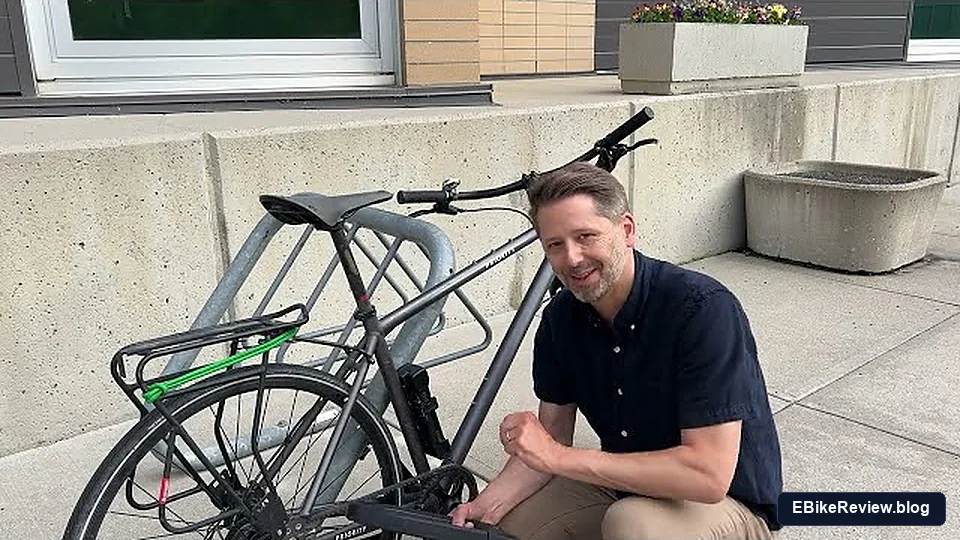
Standard plastic tarps trap condensation underneath, creating a localized greenhouse effect that accelerates corrosion. Breathable covers allow trapped moisture to escape while blocking rain.
Position your covered bicycle under an overhang to minimize direct precipitation impact while protecting the battery you track using our ebike range calculator tool. Elevate the frame off damp ground.
Anchor your bicycle securely to immovable architectural structures using heavy-duty hardened steel locks. Outdoor storage significantly increases theft risk alongside weather damage.
- Invest in a breathable, UV-resistant bike cover.
- Elevate wheels above wet soil and puddles.
- Use multiple high-security hardened steel locks.
- Remove all detachable accessories like displays.
Choosing the Right Protective Cover
Select covers featuring elasticized hems and adjustable cinch straps to prevent wind billowing. Wind-flap abrasion damages paint and stretches wiring harnesses.
Ensure the cover features ventilation flaps near the top to promote continuous airflow and reduce internal humidity accumulation during sunny days.
- Check cover fitment for secure wind resistance.
- Clean the interior of the cover periodically.
Daily Maintenance Protocols for Outdoor-Stored Bikes
Committing to outdoor storage demands rigorous daily maintenance routines. Inspect electrical connections every morning to ensure no moisture pooling occurred overnight during damp weather.
Dry the display screen, throttle, and charging port thoroughly before powering on the electrical system. Introducing current to wet contacts causes immediate short-circuit damage.
Wipe down exposed metallic fasteners and apply a light coat of protective oil to prevent rust blooms. Keep a microfiber towel dedicated to morning moisture removal nearby.
Test your hydraulic or mechanical brakes carefully before every ride. Outdoor condensation and surface rust temporarily reduce initial stopping friction until cleared.
- Inspect all electrical ports before powering up.
- Wipe away morning condensation with a towel.
- Test brake bite and shifting response daily.
- Lubricate chain links after any wet exposure.
Performing Weekly Weather Checks
Dedicate time each weekend to check hidden areas for rust or grime accumulation. Look closely behind the chainring and inside the fork arch.
Apply contact cleaner to electrical plugs periodically to displace microscopic moisture films and maintain optimal resistance levels across the harness.
- Check spoke tension and wheel true.
- Clean brake rotors with specialized spray.
Frequently Asked Questions
Can I leave my e-bike outside if I use a waterproof cover?
A waterproof cover helps block rain, but it often traps damaging condensation underneath during temperature shifts. Always use a breathable cover and bring your battery indoors.
What happens if the e-bike battery gets cold outside?
Freezing temperatures cause permanent, irreversible capacity loss in lithium-ion cells. Always detach your power pack and store it in a climate-controlled indoor space.
Will rain ruin the electric motor on my bike?
Most hub and mid-drive motors feature weather-resistant seals, but persistent moisture eventually breaches these barriers. Avoid prolonged downpours and inspect axle entries regularly.
How can I protect my e-bike display from sun damage?
Ultraviolet radiation yellows plastic lenses and degrades internal gaskets over time. Remove the removable display unit or keep it shielded with an opaque cover.
Is it safe to charge an electric bike outside in the rain?
Charging an e-bike outdoors in wet conditions creates severe electrical shock and short-circuit hazards. Always perform charging procedures in a dry, covered indoor environment.