Can You Leave An E Bike In The Rain: Technical Guide
Weather exposure risks internal component corrosion. Proper storage practices protect electrical systems from moisture damage.


You should never store your electric bicycle outdoors during severe precipitation events. Protect your motor, battery, and controller by using indoor storage facilities to prevent permanent electrical shorts.
Looking for matching picks? See our Best Electric Bike: Top Commuter Picks for 2026.
Practical Quick-Reference Table
| Scenario / Metric | Recommended Target | Why It Matters |
|---|---|---|
| Light Rain Riding | IPX4 Minimum Rating | Prevents moisture ingress during transit |
| Heavy Downpour Storage | Strictly Indoors | Avoids pooling water inside housings |
| Battery Port Protection | Rubber Gasket Sealed | Blocks terminal corrosion risks |
| Post-Ride Drying | Microfiber Towel Wipe | Eliminates surface moisture quickly |
| Display Seal Check | Annual Inspection | Ensures button seals remain intact |
| Storage Temperature | 10°C to 25°C Range | Protects lithium-ion cell chemistry |
Understanding Ingress Protection And Moisture Limits
Modern electric bicycles utilize sealed enclosures to resist water during active riding. However, manufacturers explicitly design these systems for dynamic motion rather than static, long-term outdoor storage.

Standard IPX ratings indicate housing liquid ingress resistance. When evaluating models in our best e mountain bike for the money guide, verify weatherproofing specifications before leaving any bicycle parked outside.
Rainwater contains airborne pollutants and mineral deposits that accelerate galvanic corrosion. When water pools on horizontal frame joints, it slowly seeps past threaded fasteners and protective rubber grommets.
Temperature fluctuations during storms create internal condensation inside battery and controller casings. As warm air cools rapidly under a downpour, moisture condenses directly onto sensitive printed circuit board traces.
- Never assume outdoor storage is safe for electronics.
- Verify exact IP ratings before operating in wet weather.
- Keep rubber charging port covers tightly sealed always.
- Avoid pressure washers that force water past seals.
Evaluating Static Versus Dynamic Water Exposure
Dynamic riding pushes water against seals using forward momentum. Static pooling allows water to exploit microscopic gaps through continuous gravity pressure over many hours of heavy rainfall.
Gaskets degrade faster when subjected to continuous UV exposure combined with trapped moisture. This dual environmental stress compromises factory waterproofing capabilities much faster than normal wear.
- Dynamic pressure differs from static pooling risks.
- Inspect rubber seals regularly for UV cracking.
Assessing Electrical Component Vulnerability Indoors
Electrical systems rely on complex wiring harnesses to transmit power. Water intrusion creates unintended conductive paths leading to unexpected battery drain, which you can easily track using our e-bike range calculator to monitor efficiency.
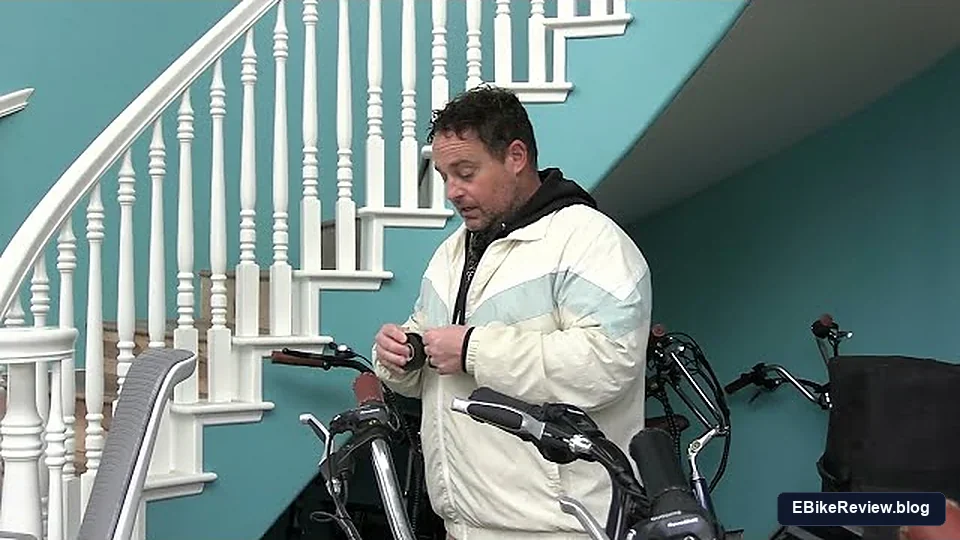
The lithium-ion battery pack represents the most sensitive and expensive electrical component. While outer casings feature splash-resistant designs, submersing terminals in rainwater causes catastrophic internal short circuits.
Hub motors feature axle seals that prevent moisture from reaching internal copper stator windings. Continuous rain exposure tests these dynamic seals beyond their intended engineering tolerances over time.
Throttle assemblies and handlebar displays contain delicate electronic buttons and circuit boards. Water seepage into these high-point interfaces often triggers phantom inputs or disables the human-machine interface.
- Battery management systems protect against minor voltage anomalies.
- Stator windings corrode if internal axle seals fail.
- Handlebar displays require extra protection during downpours.
- Wiring harness connectors need dielectric grease applications.
Identifying Hidden Corrosion Inside Connectors
Moisture trapped inside multi-pin connectors initiates invisible oxidation on brass pins. This green corrosion increases electrical resistance, starving the motor controller of necessary operating current.
Technicians use specialized electronic contact cleaners to dissolve this oxidation safely without damaging surrounding plastic housings or insulation materials.
- Check multi-pin connectors for green powdery oxidation.
- Apply dielectric grease to seal out future moisture.
Video Walkthrough: Can You Ride an E-bike in the RAIN?
Mechanical Rust Prevention During Wet Conditions
Ferrous metals on bicycle frames, chains, and fasteners corrode rapidly when exposed to standing rainwater. Iron oxide weakens structural integrity while seizing critical mechanical adjustment points securely.
Standard bicycle chains utilize high-carbon steel links that demand immediate lubrication after wet rides. Water strips away factory greases, exposing bare metal surfaces to oxygen and moisture attack.
Brake rotors and steel cable housings require vigilant maintenance to prevent performance degradation. Rusted cables increase friction, while contaminated rotors produce loud squealing noises during braking events.
Threaded fasteners, suspension pivots, and headset bearings trap moisture in tight crevices. Without proper barrier coatings, these crucial assemblies develop stubborn rust that complicates future disassembly procedures.
- Dry steel chains thoroughly using clean shop rags.
- Apply wet-conditions bicycle lubricant to chain links.
- Inspect brake cables for internal rust accumulation.
- Protect frame threads with anti-seize compound formulations.
Protecting Steel Fasteners And Suspension Pivots
Suspension linkage bolts endure immense physical stress and environmental contamination simultaneously. Water pooling in pivot pockets creates galvanic corrosion between dissimilar metals quickly.
Mechanics prevent this issue by packing pivot bearings with waterproof marine grease and torquing hardware to exact manufacturer specifications during assembly.
- Marine grease blocks moisture in suspension pivots.
- Torque all linkage bolts to exact factory specs.
Proper Post-Ride Drying And Storage Protocols
Establishing a strict post-ride routine prevents long-term moisture damage to electrical and mechanical subassemblies. Never store a wet bicycle inside an unventilated storage locker or damp shed.
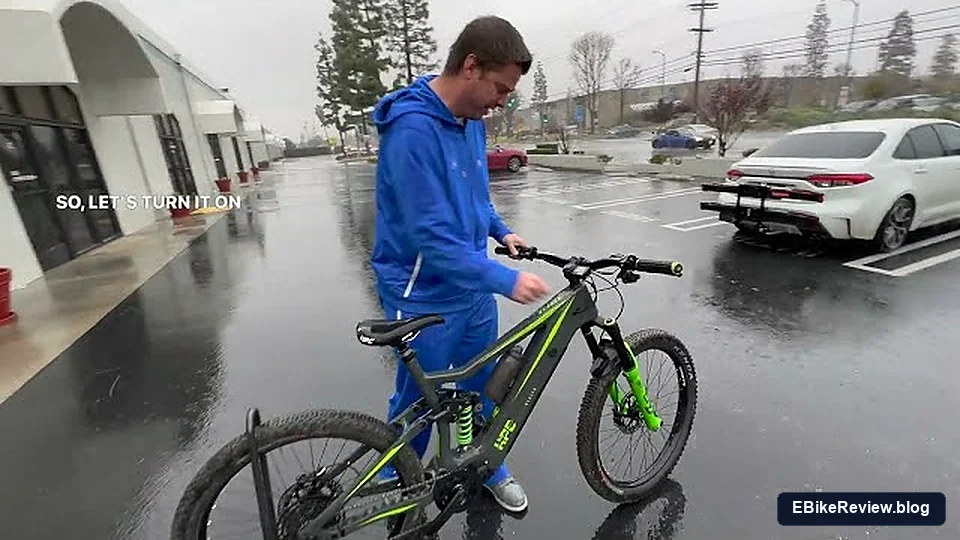
Begin by wiping down the entire frame, fork, and electrical components using a clean microfiber towel. Pay close attention to recessed bolt heads, charging ports, and display perimeters.
Remove the battery pack if moisture penetrated the main mounting cradle during transport. Wipe the terminal interface completely dry before reattaching the power source for subsequent rides.
Store your electric bicycle in a climate-controlled environment where humidity remains stable. Heavy-duty utility models featured in our best electric hunting bike for the money selections require similar dry storage.
- Wipe frames dry with clean microfiber towels.
- Remove removable batteries after riding in rain.
- Store bikes in temperature-stable indoor spaces.
- Avoid airtight plastic covers that trap humidity.
Managing Indoor Climate For Optimal Storage
Relative humidity levels above sixty percent promote rust formation across exposed steel components. Utilize a dehumidifier in small workshop spaces to maintain safe operating parameters.
Consistent indoor airflow prevents stagnant pockets of moisture from settling on sensitive electrical connections overnight, protecting your critical hardware investments from premature failure.
- Keep indoor relative humidity below sixty percent.
- Use small oscillating fans for air circulation.
Battery Terminal Maintenance And Seal Integrity
The battery mounting interface features exposed metal contact pins designed to transfer high operating currents. Moisture bridges these terminals, causing minor electrical shorts and accelerated pin pitting.
Inspect the rubber sealing gasket surrounding the battery housing during every monthly maintenance cycle. Cracks or flattened sections allow rainwater to enter the internal battery compartment.
Clean battery contacts periodically using cotton swabs dampened with isopropyl alcohol. This removes conductive grime and mineral deposits left behind by evaporated rainwater droplets.
Never charge a damp battery pack immediately after outdoor exposure. Allow all exterior surfaces to reach room temperature and dry completely before connecting any power supply units.
- Inspect rubber battery gaskets for visible cracks.
- Clean contact pins with high-purity isopropyl alcohol.
- Dry exterior surfaces completely prior to charging.
- Replace worn terminal seals immediately to prevent shorts.
Restoring Compromised Battery Housing Seals
Damaged rubber seals require immediate replacement with genuine manufacturer components to maintain proper weather resistance. Generic aftermarket gaskets rarely provide identical compression tolerances.
Apply a thin film of silicone grease to new gaskets to enhance their sealing capabilities and prevent premature rubber degradation over extended operational periods.
- Source exact OEM replacement rubber gaskets.
- Coat new seals with thin silicone grease.
Controller Housing And Wiring Harness Safeguards
The motor controller acts as the central brain, processing throttle inputs and regulating motor output. Most controllers reside inside sealed metal enclosures mounted near the frame bottom bracket.
Bottom bracket locations subject controllers to heavy road spray and pooling water during severe downpours. Ensuring casing fasteners remain properly torqued prevents liquid from breaching internal seals.
Wiring harnesses entering the controller must point downward to prevent water migration along cable insulation. Upward-facing entry points channel rainwater directly into delicate internal circuitry.
Wrap vulnerable cable junctions with self-fusing silicone tape when operating frequently in wet environments. This creates a flexible, waterproof barrier around tricky plug-and-socket interfaces.
- Check controller casing bolts for correct torque.
- Ensure wiring cables route in downward loops.
- Seal vulnerable cable joints with silicone tape.
- Inspect controller housing for hairline fractures.
Waterproofing Internal Controller Circuit Boards
Advanced technicians sometimes apply conformal coating to circuit board traces for ultimate moisture defense. This specialized polymer film shields electronic components from corrosive condensation.
Ensure the coating remains thin and avoids clogging connector pins or thermal heat sinks necessary for proper electronic cooling during high-output operation.
- Apply conformal coating to exposed circuit boards.
- Keep cooling heat sinks clear of sealants.
Emergency Recovery Steps For Water-Logged Systems
If your electric bicycle becomes completely saturated during a severe storm, disconnect the power source immediately. Quality commuters reviewed in our best electric bike selections also demand immediate power disconnection when soaked.
Remove the battery, display, and controller access panels to allow trapped water to drain freely in a warm, dry room. Accelerate evaporation using a household fan on low speed.
Inspect all electrical pins for signs of moisture and treat damp connectors with specialized electronic cleaner sprays. Allow sufficient drying time before reassembling any hardware components.
Test the electrical system gradually by connecting the battery in a safe, open outdoor area. Monitor for unusual error codes, excessive heat generation, or unexpected motor activation.
- Disconnect battery power immediately upon water saturation.
- Drain trapped moisture in warm ventilated spaces.
- Spray damp electrical connectors with contact cleaner.
- Test system functionality outdoors before regular riding.
Troubleshooting Persistent Electrical Error Codes
Water intrusion often triggers specific dashboard error codes related to communication failures or sensor short circuits. Consult your technical manual to decode these diagnostic indicators accurately.
Clear lingering moisture from sensor ports using compressed air set to low pressure. High-pressure air damages delicate internal wiring sensors beyond simple repair capabilities.
- Cross-reference dashboard error codes with manuals.
- Use low-pressure compressed air for drying.
Frequently Asked Questions
Can I leave my e-bike parked outside in light rain?
Parking your electric bicycle outside during a brief light drizzle is generally acceptable if your specific hardware components feature adequate factory water-resistance ratings and robust rubber seals.
Nevertheless, leaving the machine exposed outdoors to extended weather events inevitably invites moisture ingress and accelerates harmful electrical corrosion across all sensitive internal wiring harnesses and steel fasteners.
What should I do if my display fills with condensation?
Visible display condensation clearly indicates a compromised factory weather seal that requires immediate technical attention to prevent permanent electronic circuit board damage and short circuits.
Carefully remove the wet unit immediately, place it safely inside a warm and ventilated room, and allow all trapped internal moisture to evaporate completely before attempting any hardware reinstallation procedures.
Are hub motors completely waterproof against heavy downpours?
Modern electric hub motors feature robust internal rubber axle seals specifically engineered to withstand heavy road spray and standard wet weather riding conditions without experiencing immediate mechanical failure.
However, submersing the motor housing in standing water or utilizing high-pressure cleaning equipment forces liquid past these protective barriers, leading to severe internal copper stator winding corrosion issues.
Can I charge my battery right after riding in the rain?
You should never charge your lithium-ion battery pack immediately following outdoor wet exposure if any surface moisture remains present on the outer casing or charging port.
Always wipe down exterior contact surfaces thoroughly and allow the battery pack to reach stable room temperature before connecting any high-voltage power supply units for safe recharging routines.
How often should I apply dielectric grease to electrical connectors?
Applying a fresh layer of high-quality dielectric grease annually provides exceptional, long-lasting moisture protection for all vulnerable multi-pin electrical connectors across your entire electric bicycle.
Always perform this crucial preventative maintenance task right before severe seasonal weather changes occur in order to block water ingress effectively and extend vital component operating lifespans safely.