Can E Bikes Get Wet: Complete Technical Guide
Understanding electric bicycle moisture limits prevents costly electrical failures. Proper sealing protects internal circuitry during heavy rainstorms.

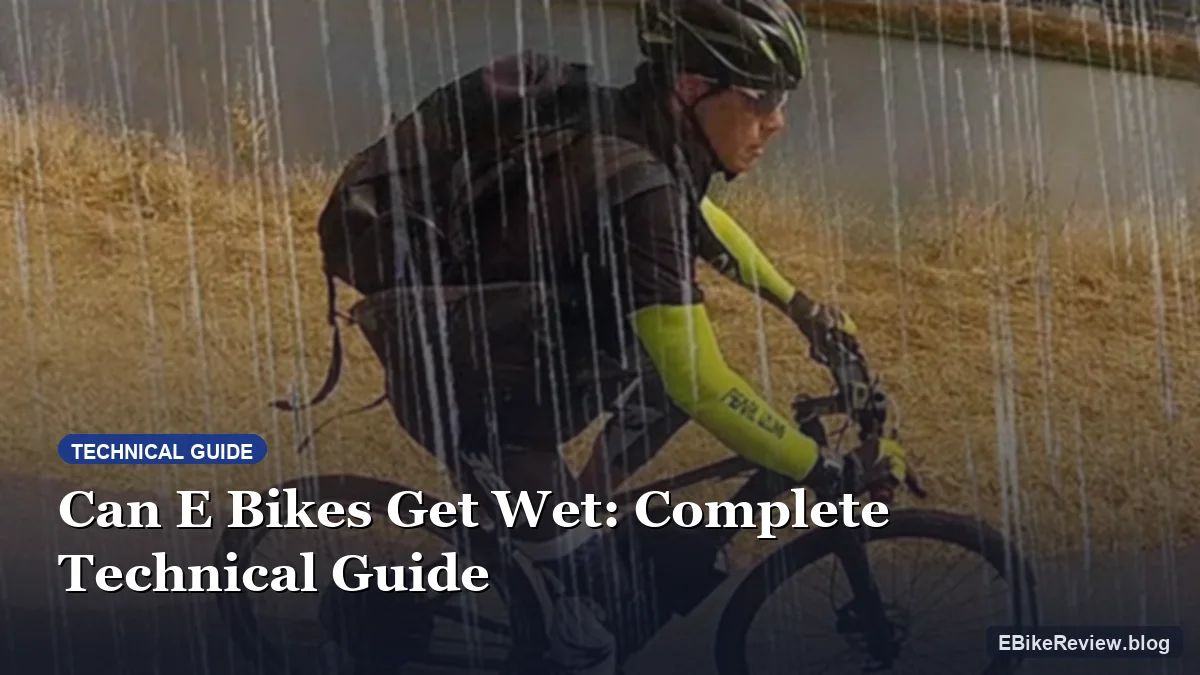
Modern commuter e-bikes handle moderate precipitation safely, but direct high-pressure washing forces water past internal gaskets, risking permanent controller damage.
Looking for matching picks? See our Best Electric Bike: Top Commuter Picks for 2026.
Practical Quick-Reference Table
| Scenario / Metric | Recommended Target | Why It Matters |
|---|---|---|
| Light Rain Commute | IPX4 or Higher | Resists splashing from road tires. |
| Heavy Downpour | IPX5 Rating | Defends against driving wind-driven rain. |
| Power Washing | Strictly Prohibited | Destroys waterproof bearing and seal integrity. |
| Battery Terminal Care | Dielectric Grease | Prevents galvanic corrosion on contact pins. |
| Post-Ride Storage | Dry Indoor Space | Allows trapped condensation to evaporate safely. |
| Display Sealing | O-Ring Inspection | Stops moisture ingress behind LCD screens. |
Evaluating Official Ingress Protection Ratings For Components
Manufacturers use standardized ratings to classify how well internal electrical components resist water intrusion. Checking these specifications helps riders determine safe operational limits during wet weather.
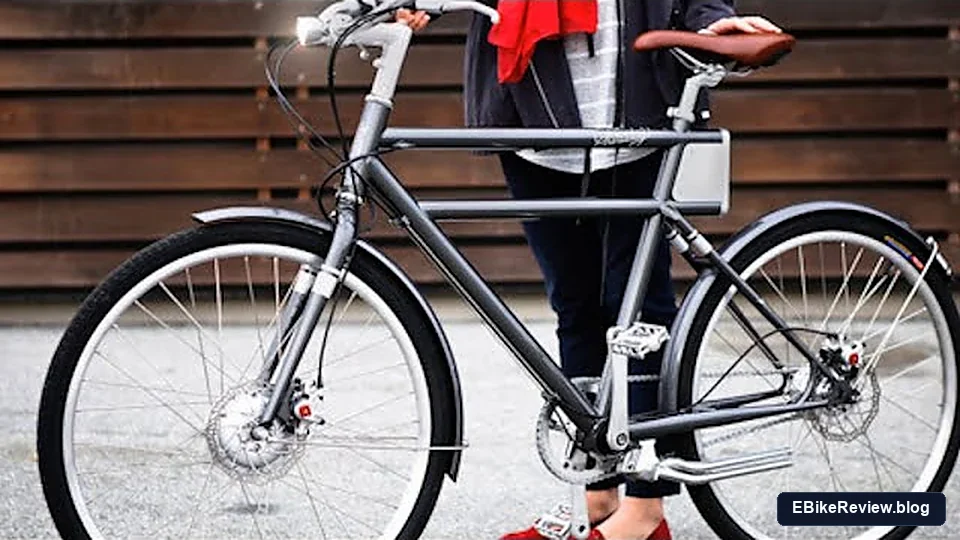
The first digit represents solid particle defense while the second indicates liquid resistance. When browsing options in our best e bikes for women guide, checking these ratings reveals weather limits.
An IPX4 rating signifies protection against splashing water from any direction during normal street riding conditions. Higher ratings like IPX6 or IPX7 offer advanced defense against powerful jets or brief submersion.
Cheaper conversion kits often lack certified ingress protection testing altogether. Riders must exercise extreme caution when operating unsealed electronic assemblies in persistent wet weather environments.
- Verify component ingress protection ratings before riding in heavy rainstorms.
- Never assume an entire bicycle frame shares a single uniform waterproof rating.
- Look for rubber gasket seals around housing seams to confirm liquid defense.
- Remember that higher second digits indicate superior resistance to moisture ingress.
Interpreting Second-Digit Liquid Resistance Scores
The numeric value following the letter X directly dictates practical exposure limits. A rating of four handles light splashes while higher numbers manage severe environmental moisture.
Always inspect rubber port covers on frame-integrated batteries before departure. Leaving charging ports exposed invites destructive moisture directly into delicate lithium cell management systems.
- Rating IPX4 covers standard rainy day commutes.
- Rating IPX7 permits accidental shallow puddle submersions.
Battery Housing Gaskets And Moisture Resistance Mechanics
Lithium-ion battery packs represent sensitive and expensive electrical assemblies. Many models featured in our top 5 electric bikes under 1000 roundup utilize heavy-duty rubber perimeter gaskets to isolate internal cells.
Water pooling inside the battery cradle can bridge discharge terminals and trigger dangerous short circuits. Regular cleaning of these connection points ensures reliable power delivery in wet weather.
Applying a thin layer of dielectric grease creates a hydrophobic barrier over metallic contact pins. This simple workshop technique prevents galvanic corrosion caused by road salt and moisture mixing.
Never submerge a removed battery pack in standing water or clean it with running hoses. Use a damp microfiber cloth to wipe exterior housings free of accumulated road grit safely.
- Inspect battery cradle rubber gaskets annually for cracks or permanent compression.
- Apply dielectric grease to contact pins to block moisture-induced oxidation.
- Wipe down wet battery housings thoroughly before inserting them into mounts.
- Store removable batteries indoors at room temperature following wet weather rides.
Managing Down-Tube Battery Compartment Sealing
Frame-integrated batteries channel water along down-tube cavities during torrential downpours. Drainage weep holes at the frame base must remain unobstructed to prevent water accumulation.
Clear debris from these vital drainage ports using compressed air during routine seasonal maintenance sessions to safeguard internal wiring looms.
- Locate frame drainage ports near the bottom bracket shell.
- Clear blockages using low-pressure compressed air.
Video Walkthrough: Introduction
Controller Enclosure Sealing And Wiring Harness Protection
The electronic controller regulates electrical current flow between your battery, throttle, and hub motor. Most controllers live inside sealed metal housings tucked securely inside the frame or rack.
Moisture frequently infiltrates these protective enclosures via poorly routed cable entry points. Cable grommets must fit snugly around wires to maintain a reliable weather-tight seal.
Applying heat-shrink tubing with integrated adhesive lining protects wiring splices. You can explore our best e bikes under 1 000 guide to see how well-sealed budget commuters manage wet weather.
Secure all exterior connectors with threaded locking collars or rubber boots. Loose plugs allow capillary action to draw moisture directly inside sensitive Printed Circuit Board assemblies.
- Route cables downward away from entry ports to prevent water pooling.
- Use adhesive-lined heat-shrink tubing on any customized wiring repairs.
- Check that controller mounting bolts remain torqued to prevent housing gaps.
- Avoid pointing high-pressure sprayers directly at frame junction boxes.
Securing Hub Motor Cable Exit Points
Rear hub motor power cables exit through the axle slot where water collects readily. Protective rubber strain reliefs must shield this vulnerable entry point from spinning tire spray.
Wrap vulnerable axle exits with self-vulcanizing silicone tape for extra reinforcement against persistent coastal mist and heavy winter rainstorms.
- Inspect motor cable exit guards for tears or displacement.
- Wrap vulnerable connections using self-fusing silicone tape.
Drying Protocols After Heavy Downpours And Wet Commutes
Proper post-ride drying routines prevent long-term electrical degradation and premature frame rust. Never store a soaked electric bicycle inside an unventilated storage container or shed.

Wipe down the entire frame, handlebars, and fork assemblies using a clean absorbent towel. Pay special attention to removing standing water around display units and throttle levers.
Position your bicycle in a warm, dry garage with good ambient air circulation to speed evaporation. Remove the battery pack if moisture penetrated underlying structural mounting trays.
Avoid using high-heat hair dryers or industrial heat guns to dry electronic components. Excessive thermal energy melts delicate plastic housings and ruins internal silicone potting seals.
- Towel dry all frame tubes immediately after returning from wet rides.
- Park bikes in well-ventilated indoor spaces to encourage natural evaporation.
- Pop out semi-integrated batteries to let trapped moisture escape freely.
- Never apply direct high-heat sources to delicate LCD display units.
Addressing Trapped Moisture Inside Display Units
Handlebar-mounted LCD computers feature rubber button membranes that degrade over time. Condensation forming inside the glass screen signals compromised perimeter sealant integrity.
Place silica gel packets near damp displays overnight to draw residual humidity outward without dismantling fragile microcircuit boards.
- Check display screen perimeters for hairline cracking.
- Use silica gel packs to absorb interior housing condensation.
Preventive Maintenance Steps For Corrosive Environment Riders
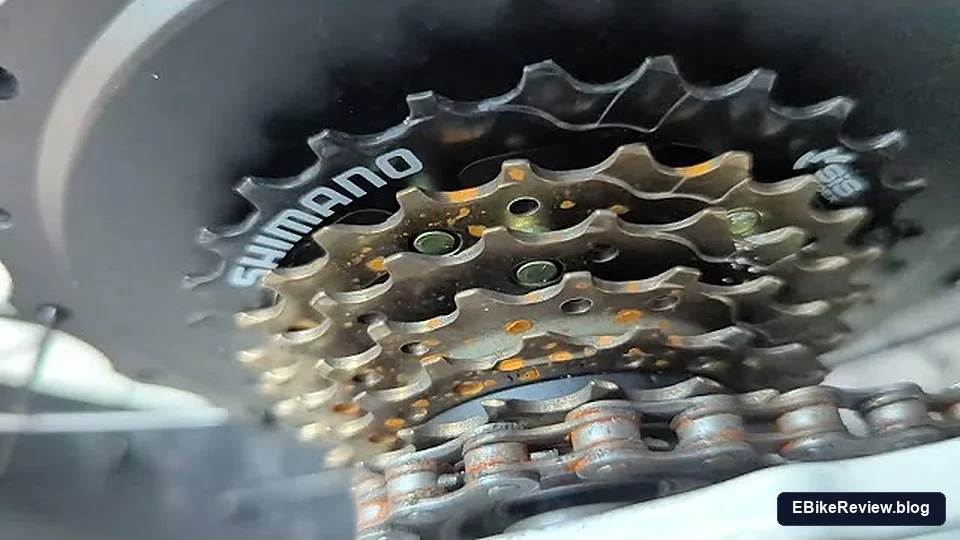
Riders navigating salted winter streets or coastal marine air face accelerated corrosion risks. Saltwater conducts electricity aggressively and ruins exposed electrical connections within weeks.
Flush your entire electric bicycle with fresh low-pressure tap water after riding through salted slush. Immediately dry metallic fasteners to prevent ugly surface oxidation from forming.
Spray non-electrical frame components and fasteners with an anti-corrosion inhibitor film. Avoid spraying brake rotors or electrical contact points when applying protective lubricants.
Inspect brake calipers, chain links, and spoke nipples regularly for early signs of rust. Replacing rusty fasteners prevents seized bolts during future workshop repair sessions.
- Rinse off road salt immediately using a gentle garden hose stream.
- Apply anti-corrosion sprays carefully away from braking surfaces.
- Inspect stainless steel fasteners monthly for galvanic corrosion pitting.
- Keep drivechains heavily lubricated with wet-weather chain oils.
Protecting Mechanical Drivetrains From Rust
Wet conditions strip away standard lubricants from bicycle chains and gear cassettes rapidly. Switch to heavy wet-weather lubricants designed to repel water splash effectively.
Wipe excess chain lube away with a rag to prevent abrasive road grit from clinging to moving drivetrain components during your commute.
- Choose viscous wet lubes for rainy season commuting.
- Wipe excess surface oil to minimize dirt buildup.
Diagnostic Troubleshooting For Water Intrusion Fault Codes
Water intrusion usually manifests as erratic throttle behavior, motor stuttering, or display error codes. Power down the system instantly if unexpected electrical faults occur during rain.
Disconnect battery power before inspecting individual wiring harness plugs for trapped water droplets. Blow out moisture using compressed air set to low pressure settings.
Inspect connector pins for greenish white copper oxidation residue caused by moisture reactions. Clean corroded pins gently using electronic contact cleaner spray and a nylon brush.
Test individual subsystem functions step-by-step after drying components thoroughly before your next ride. Persistent error codes indicate internal component damage requiring professional workshop service.
- Power off your electric system immediately upon experiencing erratic behavior.
- Inspect wiring plugs for trapped water droplets and white oxidation.
- Clean corroded pin terminals using specialized electronic contact cleaner.
- Consult certified technicians if error codes persist after full drying.
Clearing Controller Error Codes Safely
Modern e-bike controllers flash specific error codes when moisture shorts circuits. Before using our ebike range calculator to plan trips, consult your owner manual to decode these warning flashes accurately.
Allow systems to rest unpowered for twenty-four hours in a dry room before attempting a reboot after severe water exposure incidents.
- Match display blink patterns with manufacturer error charts.
- Allow extended drying time before powering electronics back up.
Frequently Asked Questions
Can I ride my electric bike safely through deep puddles?
Avoid standing water that rises above your motor axle or bottom bracket shell. Shallow puddles are generally safe if your components meet certified ingress protection standards.
Is it safe to wash my electric bicycle with a garden hose?
Use a bucket of soapy water and a sponge rather than a high-pressure hose. Direct high-pressure streams force water past delicate rubber seals into sensitive electronics.
What should I do if water gets inside my battery compartment?
Power off the system immediately and remove the battery pack from its mount. Wipe all moisture away and let everything dry completely before reinstalling.
Do waterproof ratings degrade over time with normal riding use?
Rubber gaskets and seals dry out, crack, and compress after years of sun and vibration. Annual seal inspections ensure your electric bike maintains proper weather resistance.
Can riding in the rain void my electric bicycle warranty?
Normal rain riding is covered, but water damage caused by pressure washing usually voids warranties. Always follow manufacturer guidelines regarding acceptable cleaning methods and wet weather limits.