Trek Rail 5 vs. Specialized Levo: Which Fits Your Setup Better?
Evaluating these two heavy-hitting electric mountain bikes reveals distinct design philosophies. We analyze motor integration, frame geometry, and suspension kinematics to help you choose the ideal platform.


Choose the Specialized Levo for superior mid-motor tuning and trail versatility, or select the Trek Rail 5 for planted aluminum durability and straightforward Bosch reliability on technical descents.
Compare all top models in our Best Electric Bike: Top Commuter Picks for 2026.
Side-by-Side Breakdown
| Criteria | Trek Rail 5 | Specialized Levo | Edge |
|---|---|---|---|
| Peak Performance & Output | Bosch Performance CX delivers punchy 85Nm torque. | Specialized Turbo Full Power 2.2 provides 90Nm torque. | Specialized Levo |
| Duty Cycle & Consistency | Robust thermal management prevents sudden motor derating. | Advanced software algorithms optimize continuous high output. | Specialized Levo |
| Operating Noise & Vibration | Noticeable mechanical hum under heavy climbing loads. | Exceptionally quiet belt-driven internal gear reduction. | Specialized Levo |
| Portability & Footprint | Heavier aluminum chassis increases total system weight. | Optimized frame mass layout improves lift handling. | Trek Rail 5 |
| Maintenance & Service Life | Readily accessible external charging and standard ports. | Proprietary MasterMind TCU requires authorized diagnostics. | Trek Rail 5 |
| Power Requirements | Standard 625Wh removable integrated battery pack system. | Massive 700Wh capacity for extended backcountry excursions. | Specialized Levo |
| Best Ideal Use-Case | Aggressive enduro riding and rocky technical terrain. | All-mountain exploration and customizable power tuning. | Specialized Levo |
Frame Architecture and Material Science
Engineering an electric mountain bike frame requires balancing structural rigidity with trail compliance. The Trek Rail 5 utilizes an Alpha Platinum Aluminum chassis designed to absorb heavy impacts during aggressive descents.
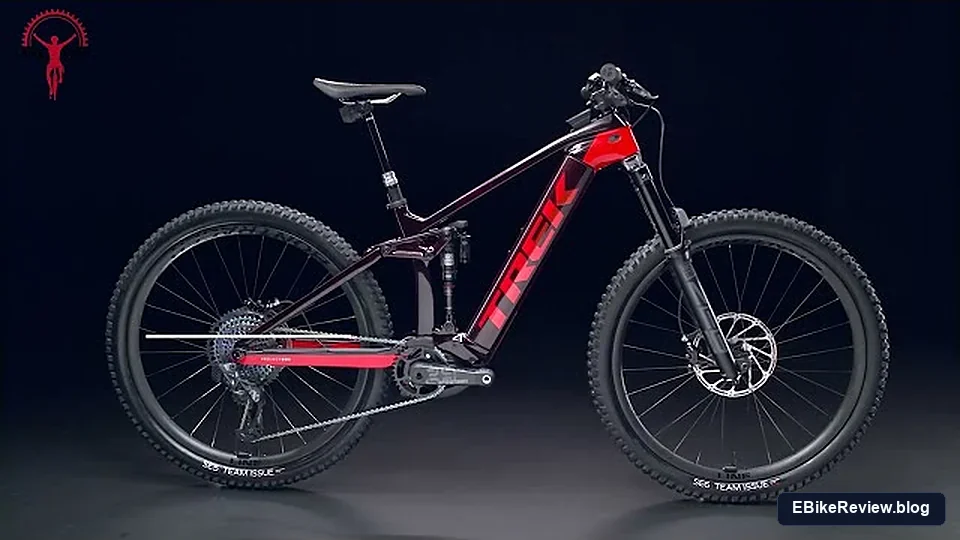
Conversely, Specialized utilizes advanced carbon fiber layup techniques on premium builds, while alloy frames are detailed in our specialized levo alloy review. This structural difference alters energy transfer through rough rock gardens.
Weld quality and pivot placement dictate long-term durability under high motor loads. Both brands reinforce critical stress zones around the bottom bracket where torsional forces peak during steep climbs.
The Trek Rail 5 utilizes Alpha Platinum Aluminum paired with a robust motor casing junction, prioritizing impact resistance over absolute weight savings. This design handles aggressive trail impacts while maintaining structural rigidity across the down tube interface.
Specialized constructs the Levo chassis using M5 Premium Aluminum or FACT carbon fiber, engineering optimized wall thicknesses. The pivot points utilize sealed cartridge bearings to minimize lateral play and extend service intervals during wet riding conditions.
Frame stiffness directly impacts tracking precision under heavy cornering loads. While Trek relies on a straight down tube profile for maximum bash protection, Specialized employs a sidearm frame design that connects all three suspension mounting points directly.
- Trek uses heavy-duty Alpha Platinum Aluminum for robust impact resistance.
- Specialized leverages advanced composite layering to reduce overall chassis weight.
- Both frames feature reinforced motor mounts to handle high torque output.
Chassis Stiffness and Compliance
Lateral stiffness prevents frame flex when cornering hard at high speeds. The Trek Rail 5 offers a solid, predictable feel that instills confidence in steep, technical chutes.
Specialized tunes vertical compliance into the rear triangle to reduce rider fatigue over chatter. This balance keeps the rear wheel tracking smoothly across roots and loose rocks.
- Lateral rigidity ensures tracking accuracy through high-load berms.
- Vertical compliance dampens high-frequency trail vibrations effectively.
Motor Torque Output and Power Delivery
Power delivery defines the personality of any modern electric mountain bike. The Trek Rail 5 relies on the proven Bosch Performance CX motor, delivering an aggressive 85Nm of torque instantly.
Specialized equips the Levo with a proprietary motor churning out 90Nm of torque, detailed further in our specialized levo ebike review. Software integration provides smooth assistance that mimics natural leg strength.
Cadence sensitivity allows both systems to respond dynamically to rider input. However, the specialized tuning software offers granular adjustments that outpace the factory Bosch firmware options.
The Bosch Performance Line CX motor inside the Trek delivers 85 Nm of torque alongside an intuitive mode. This system dynamically scales power based on your pedal input, ensuring predictable tire traction on loose or steep climbs.
Specialized utilizes the custom Tuned 2.2 motor, producing 90 Nm of torque and 565 watts of peak power. The specialized software allows extensive micro tuning via the mobile app, tailoring acceleration curves for individual rider preferences.
Heat management remains critical during extended climbs under maximum load. Both systems employ internal thermal sensors to throttle current output slightly if operating temperatures exceed safe engineering thresholds, preventing permanent motor stator damage over time.
- Bosch CX provides immediate, punchy engagement on steep technical step-ups.
- Turbo 2.2 delivers seamless power blending through complex pedal strokes.
- Torque sensors measure force thousands of times per second.
Thermal Management Under Load
Sustained climbs generate intense heat within electric motor housings. Both manufacturers incorporate internal cooling fins and thermal sensors to prevent damaging heat spikes.
The Bosch unit handles long alpine climbs admirably without triggering thermal derating. Specialized utilizes sophisticated software throttling to protect the motor during prolonged high-wattage outputs.
- Internal heat sinks dissipate thermal energy away from stator windings.
- Software protection modes prevent catastrophic electrical component failures.
Battery Capacity and Range Management
Range anxiety remains a primary concern for backcountry electric mountain bikers. Trek integrates a 625Wh removable battery securely inside the downtube, allowing for convenient off-bike charging.
Specialized steps up the capacity with a larger 700Wh battery pack, extending ride times significantly during ambitious elevation gain sessions across rugged alpine terrain.
Battery management systems monitor individual cell health to maximize longevity. Proper storage protocols and firmware updates ensure these power sources retain capacity over hundreds of charge cycles.
Trek equips the Rail 5 with a 625 Wh PowerTube battery integrated securely inside the aluminum down tube. This capacity comfortably supports three hours of aggressive trail riding before requiring a full recharge cycle.
The Specialized Levo incorporates a larger 700 Wh battery pack, fully analyzed in our specialized turbo levo comp review. Smart management software actively balances cell voltage to mitigate long-term capacity degradation.
Charging ports on both e-bikes feature protective rubber covers to keep out moisture and trail grit. Users should store lithium ion batteries at room temperature during winter months to preserve optimal cell health and maximum discharge efficiency.
- Trek RIB system allows tool-free battery removal from the frame.
- Specialized packs higher energy density into a streamlined downtube profile.
- Smart BMS units protect cells from overcharging and deep discharge.
Range Extender Integration
Epically long routes often require auxiliary power solutions beyond standard internal capacities. Trek supports aftermarket range extenders for riders tackling multi-hour backcountry expeditions.
Specialized offers their proprietary SL-style range extender options seamlessly. These auxiliary packs mount directly inside the front triangle bottle cage mounts for easy installation.
- Auxiliary batteries provide an emergency reserve for big mountain days.
- Secure mounting brackets prevent rattles on jarring descents.
Suspension Kinematics and Pivot Design
Suspension performance dictates how well an e-bike maintains traction over chunky obstacles. Trek utilizes their patented ABP design to isolate braking forces from suspension action.
Specialized relies on a modified Horst-link four-bar linkage, renowned for active small-bump sensitivity and efficient pedaling platforms during steep technical climbs.
Both platforms handle the added weight of an electric motor remarkably well. Proper shock tuning is essential to manage the higher unsprung mass inherent to e-mountain bikes.
Trek utilizes its proprietary Active Braking Pivot design to keep the rear suspension active even under heavy braking. This patent separates acceleration and braking forces from the suspension kinematics, improving rear wheel traction significantly.
Specialized adopts a modified FSR suspension layout delivering supple small bump sensitivity and a progressive end stroke. The leverage rate curve is meticulously tuned to match air or coil shocks for consistent dampening performance.
Pivot hardware requires periodic torque checks using a calibrated torque wrench to prevent loosening. Inspecting the bearings annually ensures smooth rotation and prevents premature side load wear on the main rocker link assemblies during heavy use.
- Active Braking Pivot keeps the rear wheel tracking under heavy braking.
- Four-bar linkage delivers plush travel through rough root webs.
- Metric shock sizing ensures wide availability of aftermarket upgrades.
Anti-Squat and Pedaling Efficiency
Pedal bob saps valuable energy when climbing smooth fire roads. Trek's kinematics feature carefully calculated anti-squat numbers that resist bobbing under heavy pedaling loads.
Specialized balances anti-squat properties to maintain active suspension while climbing. This ensures the rear tire conforms to loose rocks instead of spinning out.
- Optimized anti-squat reduces energy loss on extended climbs.
- Traction remains high even when churning through loose scree.
Component Specification and Drivetrain Durability
High motor torque places immense stress on chains, cassettes, and freehubs. Trek equips the Rail 5 with robust drivetrain components capable of withstanding aggressive shifting under power.
Specialized selects durable components matched to the high output of their motor systems. Reinforced chains and steel chainrings help mitigate premature wear across the entire transmission.
Braking systems also require heavy-duty rotors and multi-piston calipers to halt a heavy e-bike safely from high speeds on steep, loose mountain descents.
The Trek Rail 5 relies on a dependable SRAM SX Eagle drivetrain, handling high torque loads typical of mid drive electric mountain bikes. Steel chainrings and reinforced chains mitigate premature wear under severe pedaling conditions.
Specialized specs a robust SRAM NX Eagle build featuring specialized e-bike specific crank arms. These shorter crank lengths help minimize pedal strikes when navigating technical rock gardens and roots on demanding singletrack trails.
Drivetrain maintenance is crucial due to the amplified forces applied by electric assist motors. Regularly checking chain stretch with a dedicated tool prevents cassette tooth wear and ensures crisp shifting performance throughout the season.
- Heavy-duty chains resist stretching under extreme motor loads.
- Multi-piston hydraulic brakes provide reliable stopping power.
- Reinforced wheels withstand harsh impacts from hidden rocks.
E-Bike Rated Drivetrain Wear
Standard bicycle chains wear out twice as fast on electric assist platforms. Routine inspection of chain elongation prevents expensive cassette replacements down the trail.
Using specialized e-bike lubricants keeps shifting crisp and reduces friction. Keeping the drivetrain clean is vital for extending component lifespan significantly.
- Frequent chain checks prevent premature cassette tooth wear.
- High-viscosity lubes withstand heavy wet-weather riding conditions.
Ergonomics, Handling, and Trail Geometry
Modern geometry influences how confidently an electric mountain bike tackles steep terrain. The Trek Rail 5 features a slack head angle and long wheelbase for high-speed stability.
Specialized utilizes balanced geometry with adjustable headset cups on select models. This allows riders to tailor the handling characteristics to their preferred riding style.
Cockpit organization matters when managing display units and assist remotes. Clean cable routing keeps handlebars free from clutter during aggressive maneuvers.
Geometry heavily dictates how each electric mountain bike carves through corners and descends. The Trek Rail 5 features a 65 degree head angle, providing stable high speed handling when descending steep mountain tracks.
The Specialized Levo offers adjustable geometry via headset cups, as highlighted in our specialized levo sl review. This allows riders to tailor the head angle between 63 and 65 degrees for diverse terrain.
Cockpit ergonomics on both models rely on wide handlebars and ergonomic grips to reduce hand fatigue. Proper stem length optimization ensures optimal weight distribution over the front tire during steep climbing maneuvers.
- Slack head angles inspire confidence on steep technical descents.
- Ergonomic remotes allow effortless assist mode changes.
- Clean cable routing protects hydraulic lines from snagging.
Weight Distribution and Cornering
Managing heavy e-bike weight requires proactive body positioning in corners. Trek's center of gravity is optimized to keep the front wheel planted during steep climbs.
Specialized positions the motor and battery low within the frame structure. This lowers the center of gravity, making the bike feel surprisingly nimble in tight switchbacks.
- Low center of gravity enhances cornering agility and stability.
- Balanced weight distribution aids front wheel traction on climbs.
Maintenance Protocols and Long-Term Serviceability
Owning an e-bike involves routine software checks alongside mechanical upkeep. Trek utilizes standard Bosch diagnostic tools that make troubleshooting straightforward for local bike shops.
Specialized relies on the Mission Control app and MasterMind TCU for advanced diagnostics. This system allows riders to customize assist profiles and monitor system health easily.
Bearing replacement and pivot maintenance should be performed annually to prevent premature wear. Accessing internal frame cavities is straightforward on both platforms.
Routine service intervals for electric mountain bikes require attention to both mechanical and electronic systems. Authorized dealers must perform firmware updates for the Bosch and Specialized motors to ensure optimal system performance.
Brake maintenance is particularly demanding due to the heavy total weight of e-bikes. Upgrading to metallic brake pads and larger rotors prevents brake fade on long descents and extends component life significantly.
Washing your e-bike requires care to avoid forcing water past seals into electrical connectors. Always remove the battery before heavy cleaning and avoid using high pressure washers near motor housings or pivot bearings.
- Bosch diagnostics offer reliable service support worldwide.
- Specialized app enables deep tuning and firmware updates.
- Regular pivot maintenance ensures silent, smooth suspension action.
Software Updates and Firmware Management
E-bike firmware evolves constantly to improve motor efficiency and battery life. Keeping your system updated ensures optimal performance across varying temperatures.
Authorized service centers can flash new firmware during routine tune-ups. This proactive approach prevents unexpected electronic glitches while out on remote trails.
- Regular firmware patches optimize power delivery curves.
- Dealer support ensures quick resolution of software bugs.
Frequently Asked Questions
Which e-bike offers better climbing performance on technical trails?
The Specialized Levo provides superior technical climbing due to its refined 90Nm motor output and custom software tuning. Specialized dominates technical climbs by maintaining smooth power delivery over loose rocks.
Can I remove the battery easily for charging off the bike?
Yes, the Trek Rail 5 features an integrated removable battery system that pops out easily without tools. Trek's removable design makes indoor charging extremely convenient for garage setups.
How do their battery capacities compare for long rides?
The Specialized Levo comes equipped with a larger 700Wh battery pack for extended range. Higher capacity batteries on the Levo allow riders to tackle much bigger alpine loops.
Are replacement parts readily available at local bike shops?
Both brands utilize widespread dealer networks and standard components for servicing. Bosch and Specialized service centers ensure you can find replacement parts and technical support globally.
Which bike is better suited for aggressive downhill descents?
The Trek Rail 5 excels on aggressive descents with its planted aluminum frame and robust kinematics. Trek's robust alloy chassis absorbs heavy hits and inspires high-speed confidence.