Single Speed Electric Bike vs. 7 Speed: Which Fits Your Setup Better?
Choosing between a direct-drive minimalist build and a multi-gear drivetrain dictates your riding efficiency. Understanding your local topography helps determine whether a single-speed or geared electric bike fits your daily commuting requirements.

For flat urban commutes, the single speed e-bike wins on maintenance simplicity. When tackling steep inclines, the 7 speed variant delivers superior mechanical advantage and extended battery range under heavy loads.
Compare all top models in our Best Electric Bike: Top Commuter Picks for 2026.
Side-by-Side Breakdown
| Criteria | Single Speed Electric Bike | 7 Speed | Edge |
|---|---|---|---|
| Peak Performance & Output | Direct motor reliance | Drivetrain mechanical leverage | 7 Speed |
| Duty Cycle & Consistency | Motor-heavy on hills | Balanced rider-motor input | 7 Speed |
| Operating Noise & Vibration | Silent belt or chain | Multi-gear shifting chatter | Single Speed Electric Bike |
| Portability & Footprint | Lighter overall weight | Slightly heavier derailleur setup | Single Speed Electric Bike |
| Maintenance & Service Life | Minimal chain checks | Periodic derailleur indexing | Single Speed Electric Bike |
| Power Requirements | Higher motor draw on inclines | Lower electrical draw via gear shifting | 7 Speed |
| Best Ideal Use-Case | Flat city environments | Hilly suburban commutes | 7 Speed |
Mechanical Architecture and Drivetrain Layout
Single-speed electric bikes utilize a fixed gear ratio, relying heavily on the hub motor for torque. This removes complex derailleur systems entirely, lowering mechanical failure rates during daily urban transit.
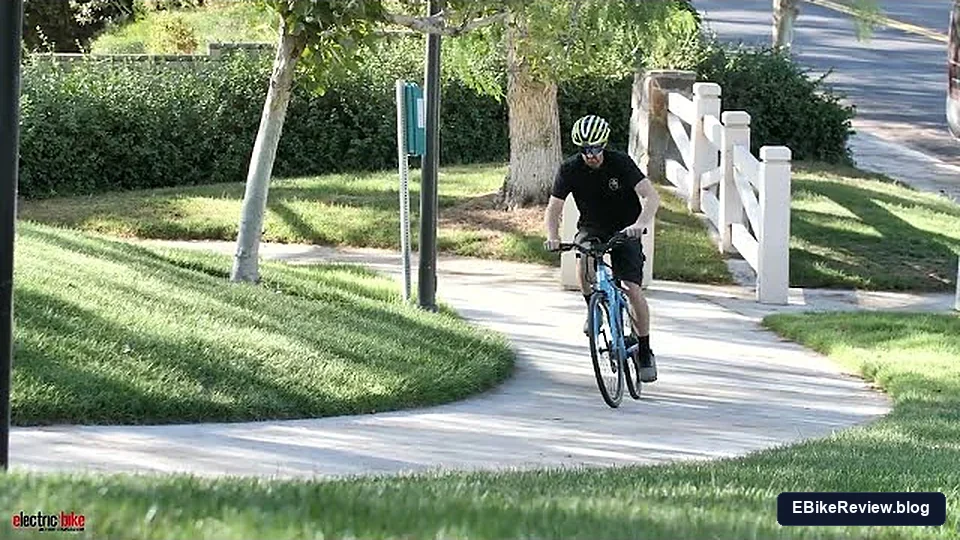
Conversely, a seven-speed setup incorporates a traditional rear cassette and external derailleur. This allows riders to adjust their cadence, optimizing physical input and preserving battery capacity over varying topography.
Single-speed e-bikes rely on a fixed gear ratio, typically utilizing a 48t chainring paired with an 16t rear cog. This minimal mechanical setup reduces potential failure points across the primary drivetrain components.
Conversely, seven-speed models incorporate a standard derailleur hanger, a multi-cog cassette, and a longer chain span. This traditional layout demands precise limit screw adjustments to prevent dropped chains under heavy motor loads.
- Simplified chain line
- No derailleur adjustments
- Fixed mechanical advantage
Component Complexity and Service Intervals
Eliminating gear shifters drastically reduces cable stretch and adjustment intervals. Riders spend less time tuning components and more time riding safely.
Multi-gear systems demand periodic indexing and precise hanger alignment checks to prevent frustrating chain slip during high-torque acceleration phases.
- Cable stretch reduction
- Hanger alignment needs
Hill Climbing Dynamics and Motor Load
Single-speed electric models force the hub motor to shoulder almost the entire burden on steep ascents. Without mechanical gear reduction, current draw spikes rapidly, generating excess thermal energy inside the stator windings.
A seven-speed drivetrain lets you drop into a lower gear, keeping your cadence high and easing thermal stress on the motor. This mechanical synergy dramatically improves overall system efficiency on challenging hills.
Tackling steep inclines on a single-speed electric bike forces the rear hub motor to deliver massive torque at low RPMs. Choosing options like our best high speed electric bike selection helps avoid this stator heat.
A seven-speed drivetrain allows riders to downshift into an easier gear ratio, letting the motor maintain efficient rotational speeds. Lower gear selections drastically reduce thermal stress on both the controller and internal windings.
- High thermal stress on singles
- Gear reduction protects motors
- Improved torque management
Torque Delivery Under Heavy Grades
Tackling steep inclines without gears forces reliance on aggressive electrical controller profiles. This draws massive amperage from the battery pack quickly.
Shifting down mechanically distributes the workload between your legs and the motor, keeping internal component temperatures safely within normal operational parameters.
- Amperage draw management
- Thermal safety margins
Battery Range and Energy Consumption
Battery longevity ties directly to how efficiently you deploy electrical power versus human muscle. Single-speed setups consume more watt-hours per mile when confronting headwinds or climbing grades without low-gear support.
Leveraging mechanical gears allows you to match motor assistance with optimal human pedaling ranges. Consequently, seven-speed configurations often extend total battery range during mixed-terrain commuting scenarios.
Battery range calculations heavily favor multi-speed configurations when navigating variable terrain. Shifting allows riders to optimize their human input wattage, which directly preserves the pack's nominal watt-hour capacity over long distances.
Single-speed electric bikes rely entirely on throttle application or heavy cadence pushes when facing headwinds. Finding a reliable model in our best electric bike guide prevents rapid energy depletion and battery degradation.
- Watt-hour depletion rates
- Human pedaling synergy
- Range extension via gears
Optimizing Watt-Hour Efficiency
Maximizing your range requires minimizing sudden battery voltage sags during acceleration. Geared options excel at keeping power draw smooth and predictable.
Single-speed models rely purely on throttle or heavy cadence bursts, which drain battery cells faster under adverse conditions.
- Voltage sag minimization
- Predictable power draw
Maintenance Overhead and Long-Term Service
Maintenance routines for single-speed electric bikes remain exceptionally straightforward and beginner-friendly. Riders exploring rugged terrain outlined in our best electric mountain bike reviews appreciate this simplified chain tension upkeep.
Seven-speed options introduce vulnerable rear derailleurs that require careful protection during transport. Cleaning cassette cogs and replacing stretched shift cables add to your long-term workshop responsibilities.
Maintenance requirements differ drastically between these two distinct mechanical setups. Single-speed variants feature shorter chains and lack rear derailleurs, reducing routine drivetrain adjustments to simple tension bolt checks every few months.
Seven-speed systems demand regular cable tension tuning, hanger alignment checks, and frequent cassette cleanings. Exposed shift cables collect road grit, accelerating wear across all interacting transmission components over extended service lives.
- Lower upkeep for single speed
- Derailleur vulnerability
- Cable stretch monitoring
Workshop Realities and Wear Items
Fewer moving parts on minimalist e-bikes mean fewer replacements over years of heavy use. Chains and rear cogs wear out at slower, predictable rates.
Multi-speed cassettes and chains experience cross-chaining wear if riders shift improperly, necessitating more frequent component swaps by local mechanics.
- Simplified component replacement
- Cross-chaining wear factors
Weight Distribution and Portability Factors
Removing cassettes, derailleurs, and shift levers sheds noticeable dead weight from the frame chassis. This makes single-speed electric bikes easier to carry up staircases or mount onto public transit racks.
The extra hardware on a seven-speed variant adds minor weight, though the trade-off yields significant versatility. Lifting these slightly heavier frames requires a bit more upper body strength during daily handling.
Weight distribution on single-speed e-bikes tends to be more centralized due to fewer peripheral mechanical accessories. The absence of a rear derailleur and heavy gear cluster trims roughly two pounds from the rear axle assembly.
Portability is significantly enhanced when carrying a lighter, streamlined frame up apartment stairwells. Seven-speed setups add awkward bulk and shifted weight biases that complicate lifting the bicycle into compact car trunk racks.
- Lighter single-speed frames
- Transit rack compatibility
- Handleability trade-offs
Carrying and Lifting Considerations
Urban commuters who must haul their bicycles up multiple flights of stairs will notice every pound saved. Exploring lightweight models inside our best budget electric bike roundup prioritizes agile daily maneuverability.
Geared frames carry slight weight penalties due to supplementary hardware, yet the added utility usually outweighs the minor mass increase for most riders.
- Staircase maneuverability
- Mass increase trade-offs
Urban Commuting Efficiency and Speed Profiles
Navigating flat grid layouts favors the instant engagement and clean lines of a single-speed electric build. You can maintain steady cruising speeds without fidgeting with gear selectors in dense traffic.
Suburbs featuring rolling hills require the flexible speed profiles provided by a seven-speed cassette. Selecting the appropriate gear ensures you never spin out uselessly or bog down on sudden inclines.
Urban commuting efficiency relies heavily on maintaining steady momentum through changing traffic signal patterns. Single-speed e-bikes leverage instant torque delivery to accelerate quickly from a dead stop up to legal speed limits.
Multi-speed commuter configurations excel when navigating rolling metropolitan boulevards with extended stretches of open pavement. Riders can shift into higher gear ratios to match high pedaling frequencies without experiencing pedal spin.
- Flat grid optimization
- Traffic responsiveness
- Rolling hill adaptability
Traffic Navigation Dynamics
Riding through crowded city streets demands split-second acceleration and dependable handling. Single-speed hubs deliver immediate power transfer without gear hesitation.
Geared bikes require proactive shifting before stops or climbs, adding mental load to complex urban navigation environments.
- Immediate power transfer
- Shift timing awareness
Rider Ergonomics and Cadence Control
Maintaining a comfortable pedaling cadence protects your knees from excessive strain over long distances. Seven-speed e-bikes empower riders to adapt resistance levels dynamically, matching their personal fitness output.
Single-speed platforms force a rigid cadence dictated entirely by your current wheel speed. While efficient for short sprints, this limitation can induce joint fatigue during extended rides against headwinds.
Rider ergonomics depend on maintaining a comfortable cadence during varying wind conditions and road gradients. Single-speed setups force joint strain when cadence drops below optimal ergonomic thresholds during heavy load applications.
Seven-speed drivetrains empower cyclists to keep pedaling revolutions within a healthy range of sixty to ninety RPM. This targeted cadence control protects knee joints from chronic overuse injuries during long urban commutes.
- Knee strain prevention
- Cadence adaptability
- Fitness-matching capability
Joint Health and Pedaling Comfort
Protecting your knees during strenuous exercise relies heavily on maintaining a smooth, moderate pedaling revolution rate. Gearing options make this effortless.
Rigid gear ratios can force slow grinding motions when climbing, placing unnecessary torque loads directly onto your patellar tendons.
- Patellar tendon protection
- Smooth revolution rates
Frequently Asked Questions
Can I convert a single-speed electric bike into a seven-speed model later?
Converting a single-speed frame to accommodate a multi-gear cassette is rarely practical or cost-effective for everyday riders.
You would need a completely new rear wheel, derailleur hanger, shifter, and chain, making it much wiser to purchase the seven-speed variant initially if your daily routes demand versatile gearing.
Which option is better for riding without battery power?
Riding an electric bike with a depleted battery highlights the massive advantage of a multi-speed drivetrain.
A seven-speed setup lets you drop into an easy gear to pedal home comfortably, whereas a single-speed layout turns unpowered cycling into an extraordinarily exhausting fitness workout.
Are single-speed electric bikes more reliable than geared models?
Single-speed electric bikes generally offer superior mechanical reliability due to their clean, minimalist construction.
With fewer moving parts, exposed cables, and fragile derailleurs to snag or break, you will experience significantly fewer roadside mechanical failures over years of rigorous daily commuting.
Do seven-speed electric bikes drain batteries faster?
Multi-speed e-bikes actually preserve battery life when operated correctly on challenging hilly terrain.
By shifting into lower gears during steep climbs, you reduce peak electrical draw and protect the motor from overheating, which optimizes total energy efficiency across every single charge cycle.
Which setup is easier to maintain for a beginner?
Beginners usually find single-speed electric bikes much easier to live with day-to-day.
You avoid the tedious learning curve of indexing derailleurs and adjusting shift cables, allowing you to focus purely on essential tire pressure and basic chain lubrication without professional shop tools.