Rigid Fork vs. Suspension Fork Ebike: Which Fits Your Setup Better?
Choosing between a rigid and suspension ebike fork defines your ride quality. Front-end engineering directly impacts your daily efficiency, comfort, and long-term maintenance overhead.

Rigid forks dominate urban efficiency and low-maintenance longevity, while suspension forks excel on rugged terrain and high-speed descents. Select your platform based on primary surface conditions.
Compare all top models in our Best Electric Bike: Top Commuter Picks for 2026.
Side-by-Side Breakdown
| Criteria | Rigid Fork | Suspension Fork Ebike | Edge |
|---|---|---|---|
| Peak Performance & Output | Zero energy loss during climbs | Absorbs momentum on rough surfaces | Suspension Fork |
| Duty Cycle & Consistency | High reliability with zero moving seals | Requires periodic damper cartridge servicing | Rigid Fork |
| Operating Noise & Vibration | Transmits road chatter to handlebars | Dampens high-frequency trail vibrations | Suspension Fork |
| Portability & Footprint | Lightweight build for easy lifting | Adds significant front-end dead weight | Rigid Fork |
| Maintenance & Service Life | Minimal upkeep beyond standard bolt checks | Demands 50-hour and 200-hour service intervals | Rigid Fork |
| Power Requirements | Preserves battery range through efficient pedaling | Sinks minor wattage into fork bobbing | Rigid Fork |
| Best Ideal Use-Case | Paved urban commuting and cargo hauling | Off-road trail riding and rough infrastructure | Suspension Fork |
Core Engineering Principles and Front-End Physics
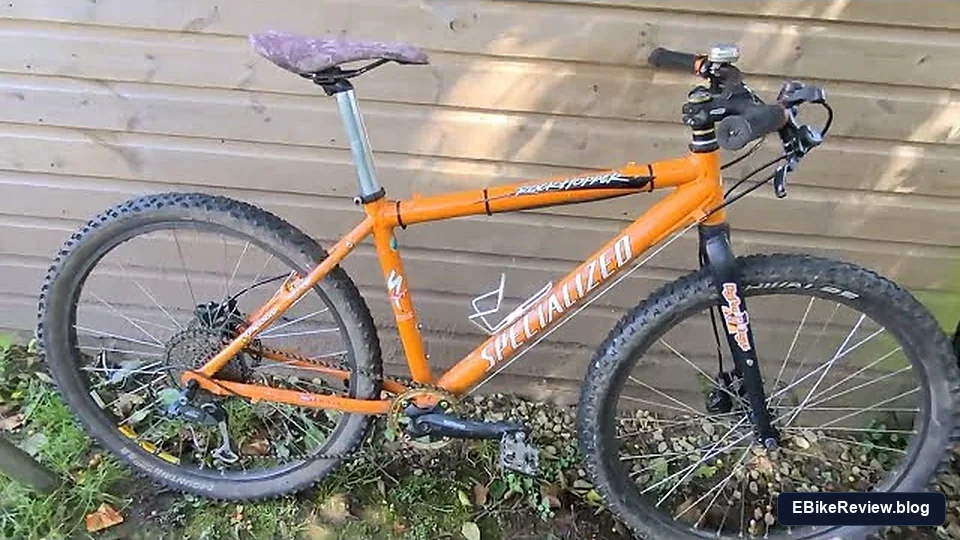
Rigid forks rely entirely on solid structural materials like carbon fiber or chromoly steel to maintain strict steering geometry. This direct connection eliminates mechanical compliance entirely.
Suspension forks integrate hydraulic damping cartridges and coil or air springs to absorb impact forces dynamically. Selecting models from our best dual suspension ebike guide helps balance pedal efficiency against superior wheel tracking.
Rigid forks use monocoque carbon or chromoly steel to transfer energy directly, eliminating suspension bob. This maximizes pedal stroke efficiency on smooth tarmac but increases unsprung mass sensitivity during impacts.
Suspension forks rely on air springs or coil dampers to manage high-frequency vibrations. The added stanchions and casting increase front-end weight by three to five pounds, altering steering geometry and braking dive.
- Rigid designs maximize lateral stiffness during hard out-of-saddle efforts.
- Suspension systems isolate the rider's upper body from high-frequency impacts.
- Head tube stress distribution differs drastically between these two distinct platforms.
Structural Load Distribution
When hitting a pothole, a rigid fork transfers peak shock loads directly into the head tube and handlebars. Frame reinforcement is crucial for rigid commuter bikes.
Conversely, suspension systems compress smoothly to dissipate those same kinetic energy spikes before they reach your wrists. This reduces immediate rider fatigue significantly.
- Rigid forks concentrate stress at the fork crown junctions.
- Suspension stanchions distribute dynamic loads across internal bushings.
Performance Metrics and Real-World Output Dynamics
Pedaling efficiency remains the standout advantage of rigid front ends on smooth tarmac. Every watt generated goes straight into forward propulsion without parasitic loss.
High-speed ebike commuting demands predictable handling characteristics that standard frames deliver effortlessly. Reviewing options in our best full suspension ebike under 3000 article reveals how balanced geometry keeps cornering lines razor-sharp.
Heavy e-bikes traveling at 28 mph demand robust front ends to handle braking forces. Suspension forks absorb kinetic energy via hydraulic damping circuits, preventing the front wheel from bouncing off high-speed chatter bumps.
Rigid setups excel in acceleration benchmarks by eliminating energy loss. Without fork compression, wattage transfer remains at 100 percent, directly translating motor torque into forward momentum without wasting battery capacity on chassis movement.
- Zero pedal bob ensures maximum torque transfer during rapid acceleration.
- Predictable trail geometry enhances high-speed stability on clean asphalt.
- Braking performance stays firm without front-end compression artifacts.
High-Speed Descending and Cornering
Descending rough grades on a rigid fork requires active line-choosing to avoid jarring impacts. Riders must use their own arms as primary suspension elements.
Suspension ebikes maintain tire contact through rough corners, increasing mechanical grip when traction is compromised. Contact patch stability prevents dangerous washouts on loose gravel.
- Suspension keeps the front wheel glued to undulating surfaces.
- Rigid forks force riders to absorb impacts with body weight.
Build Quality, Maintenance Schedules, and Long-Term Durability
Maintenance overhead is virtually non-existent for rigid carbon or metal forks beyond routine bolt torque inspections. There are zero wiper seals to clean or replace.
Suspension forks require diligent service intervals involving oil changes and seal replacements. Choosing models highlighted in our best full suspension ebike under 4000 guide ensures long-term stanchion durability.
Rigid front ends require virtually zero mechanical upkeep beyond routine headset bearing torque checks. Their one-piece construction contains no seals, bushings, or oil chambers that degrade under extreme weather or high-mileage commuting loads.
Suspension forks demand rigorous service intervals, including lower leg washes every 50 riding hours. Worn foam rings and scratched stanchions lead to air leaks, sluggish rebound, and costly internal damper replacements over time.
- Rigid forks offer unmatched multi-year reliability in harsh winter conditions.
- Suspension units demand specialized tools for standard damper overhauls.
- Salt exposure quickly ruins exposed stanchions if left uncleaned.
Component Longevity and Wear Factors
Over thousands of miles, a rigid fork experiences minimal mechanical degradation if kept free from deep structural impacts or corrosion.
Suspension damping cartridges degrade internally due to oil cavitation and seal wear during aggressive daily commuting. Rebuilding is necessary to maintain proper damping characteristics.
- Metal fatigue is the primary failure mode for rigid metal forks.
- Internal damper wear causes spongy or inconsistent lockout behavior.
Operating Efficiency, Power Consumption, and Footprint
Battery range calculations heavily favor rigid e-bikes due to their lighter overall mass and zero suspension bob. Range extension is a direct benefit of a rigid setup.
Carrying your e-bike up apartment stairs highlights the severe weight penalty imposed by coil or air suspension systems. Rigid builds save several crucial pounds.
Battery range suffers when suspension absorbs pedal input during out-of-the-saddle climbs. Rigid forks conserve watt-hours per mile by eliminating vertical chassis bob, preserving precious battery capacity for extended range on paved bicycle infrastructure.
The carbon footprint of manufacturing complex suspension assemblies involves petroleum-based seals, machined aluminum lowers, and specialized oils. Rigid steel or aluminum forks feature a lower manufacturing footprint and are significantly easier to recycle.
- Lighter front ends improve overall maneuverability in tight storage spaces.
- Energy loss to fork bobbing is entirely eliminated on smooth climbs.
- Cargo bike applications benefit greatly from stable rigid fork platforms.
Weight Penalties and Portability Metrics
Adding a suspension fork typically introduces three to six pounds of dead weight to the front end of your electric bicycle. This shifts the center of gravity forward.
Maneuvering a heavy commuter e-bike becomes significantly easier when you eliminate heavy suspension dampers and steel coil springs from the equation entirely.
- Lighter weight simplifies public transit loading and car rack mounting.
- Forward weight bias alters low-speed steering responsiveness noticeably.
Vibration Damping, Fatigue, and Ergonomic Impact
High-frequency road buzz causes cumulative physical fatigue in hands, wrists, and shoulders during long urban commutes. Rigid forks transmit these vibrations directly upward.
Carbon rigid forks offer some vertical compliance, but they cannot match the high-amplitude shock absorption provided by hydraulic suspension travel. Ergonomic comfort favors suspension setups.
High-frequency road vibrations transmit directly through rigid forks into the rider's wrists and shoulders. This constant micro-trauma accelerates physical fatigue, though using tubeless tires at lower pressures can mitigate some harshness.
Suspension forks isolate upper extremities from jarring impacts by utilizing adjustable travel ranging from 40mm to 120mm. This mechanical isolation drastically reduces joint strain during long-distance cargo delivery shifts across urban potholes.
- Paved bike paths still generate persistent micro-vibrations through rigid handlebars.
- Suspension travel smooths out broken pavement and expansion joints seamlessly.
- Rider fatigue directly correlates with high-frequency handlebar vibration levels.
Joint Stress and Long-Term Health
Commuting daily over cracked concrete with a rigid fork places repetitive strain on carpal tunnel nerves and elbow joints. Proper handlebar grips help mitigate this.
Suspension forks absorb those sharp shock spikes, protecting sensitive human joints from chronic overuse injuries caused by unyielding urban infrastructure environments.
- Joint preservation is a major selling point for urban suspension bikes.
- Ergonomic handlebars can only partially compensate for rigid forks.
Terrain Adaptation and Surface Compliance Analysis
Rigid forks excel exclusively on well-paved asphalt, concrete bike lanes, and smooth hard-packed dirt trails where surface imperfections are minimal.
Encountering massive potholes or loose gravel paths exposes the severe limitations of rigid front ends, requiring riders to stand up and brace manually.
Rigid forks struggle on unpaved gravel paths and root-strewn singletracks because the front wheel easily deflects off obstacles. Maintaining traction requires expert line choice and compliance from the tire casing deflection.
Suspension forks maintain constant tire contact patch pressure over uneven terrain by allowing the wheel to track surface contours. This active tracking improves cornering stability and braking traction on loose dirt surfaces.
- Asphalt commuting rewards the direct feedback of a rigid fork.
- Off-road trails demand active suspension management for safe navigation.
- Surface versatility increases dramatically with a properly tuned suspension fork.
Off-Road Capability and Obstacle Clearance
Tackling technical off-road trails requires choosing from our best full suspension ebike options to ensure proper impact absorption over harsh roots and sharp rocks.
Trying to tackle technical mountain bike trails on a rigid e-bike often results in bounced lines, loss of control, and potential pinch flats.
- Suspension prevents front wheel deflection over embedded rocks.
- Rigid forks require precise line selection on technical terrain.
Selecting the Optimal Front-End Architecture For Your Workload
Choosing your ideal e-bike fork requires an honest assessment of your daily commute routes, local road conditions, and personal maintenance tolerance. Workload analysis guides final selection.
If your route consists entirely of smooth pavement and you hate servicing mechanical components, a rigid fork is your definitive operational winner.
Urban commuters prioritizing low maintenance, light carrying weight, and maximum hill-climbing efficiency should choose a rigid fork. It delivers reliable performance for paved daily routes without mechanical overhead or complicated servicing requirements.
Riders tackling rough infrastructure, gravel paths, or hauling heavy loads benefit immensely from a quality suspension fork. The enhanced front-end control justifies the additional weight penalty and regular maintenance overhead for off-road safety.
- Urban commuters prioritize efficiency, low weight, and zero maintenance.
- Adventure riders prioritize comfort, traction, and obstacle compliance.
- Budget considerations also favor simpler rigid front-end designs.
Making the Final Buying Decision
Balance your physical need for joint protection against your desire for maximum battery range and low mechanical upkeep before purchasing.
Test ride both configurations on your exact daily route to evaluate whether road chatter or pedaling efficiency matters more to your routine.
- Real-world testing reveals hidden ergonomic shortcomings quickly.
- Match fork choice directly to your primary riding environment.
Frequently Asked Questions
Are rigid fork ebikes completely unusable on rough gravel paths or unpaved park trails?
Rigid fork ebikes remain entirely usable on mild gravel paths provided you significantly reduce your riding speed and choose your riding lines with absolute precision.
However, tackling rough unpaved surfaces without any mechanical damping will transmit severe high-frequency vibrations directly into your hands, wrists, and shoulders, which rapidly increases your overall physical fatigue.
How frequently do suspension forks on electric bicycles require professional servicing?
Standard suspension forks typically require basic lower-leg servicing every fifty hours of active riding alongside a comprehensive hydraulic damper rebuild every two hundred hours.
Ignoring these vital manufacturer maintenance intervals inevitably leads to progressive internal mechanical wear, lubricating oil contamination, and permanent stanchion scoring that completely ruins the fork assembly over time.
Does a rigid fork provide a noticeable increase in battery range compared to suspension models?
A rigid fork delivers a measurable increase in real-world battery range by completely eliminating parasitic energy loss caused by fork bobbing during heavy out-of-saddle climbs and sprints.
This direct power transfer ensures that every single watt generated by your legs and the electric motor goes straight into forward propulsion without any mechanical waste.
What are the primary disadvantages of choosing a suspension fork for urban commuting?
The primary disadvantages of choosing a suspension fork for daily urban commuting include a substantial weight penalty and significantly increased long-term maintenance requirements and service costs.
Furthermore, this added front-end mass makes carrying your heavy electric bicycle upstairs much more difficult while reducing overall pedaling efficiency on smooth city asphalt.
Can I upgrade my rigid fork e-bike to a suspension fork later on?
Upgrading a rigid e-bike to an aftermarket suspension fork is technically possible, but you must carefully verify head tube compatibility, wheel axle standards, and frame geometry limits.
Changing the factory axle-to-crown height can severely alter your steering handling dynamics and overstress the bicycle head tube junction far beyond its intended engineering specifications.