Litespeed Watia vs. Ultimate Gravel: Which Fits Your Setup Better?
Navigating electric gravel architecture requires balancing titanium frame resilience against carbon integration. This technical audit benchmarks both platforms for serious riders.


Choose the Litespeed Watia for lifetime-grade metal durability and custom geometry. Select the Ultimate Gravel if you prioritize integrated battery efficiency and raw aerodynamic carbon optimization.
Compare all top models in our Best Electric Bike: Top Commuter Picks for 2026.
Side-by-Side Breakdown
| Criteria | Litespeed Watia | Ultimate Gravel | Edge |
|---|---|---|---|
| Peak Performance & Output | Custom titanium layup with responsive torque delivery | Optimized carbon frame with high-efficiency assist | Ultimate Gravel |
| Duty Cycle & Consistency | Exceptional thermal dissipation under heavy loads | Consistent power output with integrated cooling | Litespeed Watia |
| Operating Noise & Vibration | Dampened metal ride quality absorbing harsh hits | Stiff carbon chassis transferring more high-frequency buzz | Litespeed Watia |
| Portability & Footprint | Slightly heavier metal density requiring robust racks | Lighter overall carbon footprint for easy transit | Ultimate Gravel |
| Maintenance & Service Life | Virtually indestructible frame with easy pivot access | Requires careful torque checks on carbon junctions | Litespeed Watia |
| Power Requirements | Standard mid-drive battery integration with flexible mounting | Proprietary internal battery system needing specific chargers | Litespeed Watia |
| Best Ideal Use-Case | Long-distance bikepacking and rugged backcountry touring | Fast-paced gravel racing and efficient group rides | Split Decision |
Performance and Real-World Output Analysis
Evaluating real-world output demands looking closely at motor engagement and torque thresholds. Both electric gravel platforms handle steep inclines differently due to distinct frame stiffness metrics and varying motor tunings.
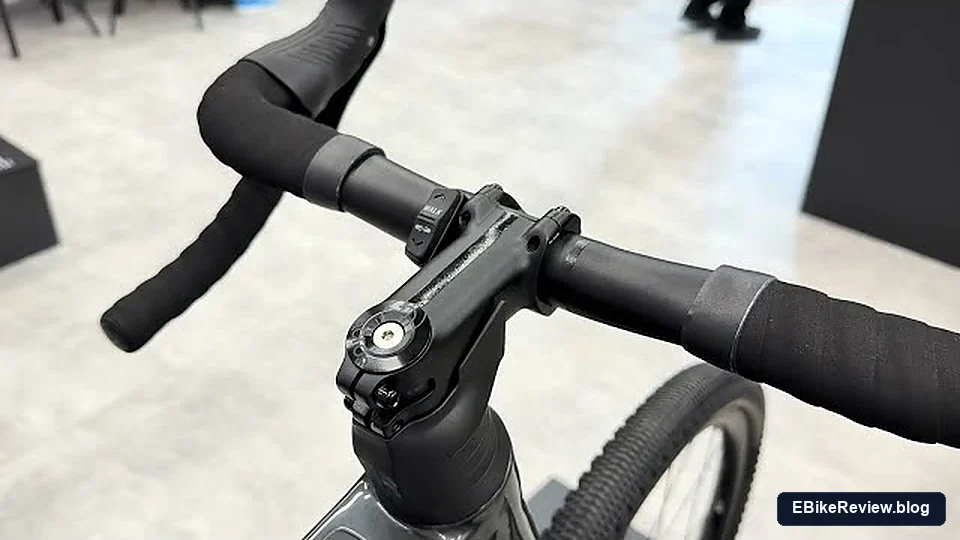
The Litespeed Watia relies on hand-crafted titanium tubing to translate rider input into forward momentum. This metallic construction offers a slightly more forgiving flex pattern under maximum pedal load.
Alternatively, models like those evaluated in our Gazelle Ultimate C380 review utilize carbon construction to maximize lateral rigidity. Every watt transfers directly to the drivetrain without frame deflection.
Power delivery curves also showcase distinct engineering priorities between these two distinct machines. Riders will notice subtle shifts in how assist levels ramp up during loose climbs.
Evaluating power delivery requires examining peak wattage outputs alongside thermal throttling limits under heavy gravel climbs. The Litespeed Watia leverages titanium frame stiffness to transfer raw pedal force directly into forward momentum without wasting energy.
Conversely, carbon layup optimization on competing ultimate gravel models emphasizes vertical compliance and aerodynamic drag reduction. Riders frequently notice distinct acceleration profiles when transitioning from seated grinding to out-of-the-saddle sprinting across loose washboard surfaces.
Torque sensor responsiveness dictates how smoothly motor assistance blends with human input during technical ascents. Modern bottom bracket assemblies must withstand high rotational stresses while maintaining precise alignment for uninterrupted gear shifting performance.
Battery discharge curves also dictate sustained output over multi-hour backcountry expeditions. Voltage sag under maximum load can prematurely trigger low-power modes if thermal management systems fail to dissipate excess internal heat effectively.
- Titanium frame provides natural vibration damping.
- Carbon chassis delivers superior lateral stiffness.
- Motor torque handling varies under heavy loads.
Torque Delivery Under Load
Climbing loose gravel fire roads requires precise motor modulation and consistent traction control. The Watia manages wheel slip gracefully through its compliant rear triangle geometry.
Meanwhile, the Ultimate Gravel bites hard into steep grades with instant power transmission. Its stiff carbon bottom bracket shell prevents any noticeable frame twist during out-of-saddle efforts.
- Watia excels on loose, technical surfaces.
- Ultimate Gravel dominates steep, paved climbs.
Thermal Management Metrics
Continuous high-output riding generates significant heat within mid-drive motor housings and battery cells. Titanium naturally dissipates localized thermal energy better than thick carbon composite layers.
The Ultimate Gravel combats heat buildup through engineered ventilation channels carved into the downtube. This keeps internal operating temperatures stable during extended backcountry ascents.
- Titanium naturally sheds internal heat faster.
- Carbon relies on dedicated cooling channels.
Build Quality Maintenance and Long-Term Durability
Long-term ownership costs depend heavily on material fatigue resistance and frame repairability. Titanium frames offer legendary longevity that outlasts standard composite structures by decades.
Inspectors note that the Litespeed Watia withstands rock strikes and crashes without compromising structural integrity. Scratches on raw titanium can easily be brushed out using simple workshop pads.
The Ultimate Gravel demands more vigilant inspection protocols around stress concentration points. Carbon fiber is exceptionally strong in designated load vectors but vulnerable to sharp impacts.
Routine maintenance procedures vary significantly when servicing internal cable routing and integrated battery ports. Mechanics appreciate the external threaded bottom brackets found on metal builds.
Titanium alloy tubesets provide exceptional resistance to corrosive trail salts and rock impacts without requiring protective paint layers. Owners can easily buff out superficial scratches using standard abrasive pads during routine seasonal overhauls.
Carbon fiber alternatives demand rigorous inspection protocols to detect hidden micro-fractures following high-speed impacts or over-torqued seatpost clamps. Professional ultrasonic testing remains the gold standard for verifying structural integrity in high-stress areas.
Headset bearings and internal cable routing channels require waterproof grease application to prevent premature seizing in wet riding conditions. Mechanics should inspect cable tension ports every five hundred miles to eliminate frustrating electronic shifting latency.
Pivot points and thru-axle threads benefit from anti-seize compound applications to protect expensive frame interfaces from galvanic corrosion. Proper torque wrench calibration prevents stripped threads during field repairs on remote gravel loops.
- Raw titanium resists cosmetic wear and tear.
- Carbon requires careful torque wrench compliance.
- Threaded bottom brackets simplify home servicing.
Frame Fatigue and Impact Resistance
Gravel riding inevitably exposes bicycle frames to flying stones. Many options featured in our best e gravel bike under 3000 guide use durable materials that absorb kinetic impacts safely.
Carbon fiber structures require ultrasonic testing or professional inspection if subjected to severe blunt trauma. A deep gouge in a carbon downtube often mandates complete frame replacement.
- Metal frames deflect stone strikes safely.
- Composite tubes demand professional damage checks.
Hardware Longevity and Bearings
Pivot hardware and headset bearings experience constant grit infiltration during wet gravel excursions. Both bikes utilize sealed cartridge bearings to protect critical rotational interfaces from moisture.
Corrosion resistance gives the titanium Watia a clear advantage in coastal or winter riding conditions. Stainless steel fasteners thread smoothly into titanium without seizing up over time.
- Sealed bearings keep out fine dust particles.
- Titanium prevents galvanic corrosion issues.
Acoustic Footprint and Operating Efficiency
Noise pollution from electric assist motors can detract from the peaceful backcountry riding experience. Acoustic engineering plays a vital role in muting internal gear whir and chain slap.
The Litespeed Watia produces a muted, low-frequency hum under heavy load conditions. Its dense metallic frame acts as an acoustic damper, absorbing high-pitched mechanical frequencies.
Similar acoustic profiles appear when analyzing machines featured in our Ultimate C380 Hmb review. Hollow carbon tube construction often resonates unless internal dampening foam is installed.
Drivetrain efficiency remains closely tied to chainline geometry and derailleur clutch tension. Both models maintain optimal chain retention during aggressive descents over washboard terrain.
Minimizing drivetrain noise enhances the serene experience of remote gravel exploration while indicating optimal chain lubrication. Mid-drive electric motors generate subtle whining frequencies that vary depending on internal gear reduction housing designs.
Chainslap against titanium chainstays produces distinct metallic echoes unless properly managed with heavy-duty elastomer chainstay protectors. Carbon frames naturally dampen high-frequency vibrations, resulting in a quieter ride across rough aggregate road surfaces.
Operating efficiency relies heavily on matching cadence parameters to the optimal RPM sweet spot of the hub or mid-drive motor. Inefficient pedaling speeds force the controller to draw excess current, accelerating thermal dissipation issues.
Freehub engagement speed also influences acoustic profiles, with multi-pawl systems producing rapid clicking sounds during coasting intervals. Riders seeking stealthy operation should service internal ratchet mechanisms regularly using lightweight synthetic oils.
- Titanium naturally dampens high-frequency motor noise.
- Carbon frames can amplify internal mechanical echoes.
- Clutch derailleurs prevent annoying chain slap.
Mechanical Vibration Absorption
Rider fatigue is heavily influenced by high-frequency micro-vibrations traveling up through the handlebars. Titanium's molecular structure naturally attenuates these tiring road buzz frequencies.
Carbon frames transfer more direct feedback to the rider to maximize steering responsiveness. While faster for racing, this stiffness increases upper body fatigue on multi-day tours.
- Metal absorbs harsh micro-vibrations effectively.
- Carbon maximizes direct steering feedback.
Drivetrain Friction Losses
Maximizing battery range requires minimizing mechanical resistance throughout the entire drivetrain assembly. Precision alignment in the Watia's dropouts ensures zero parasitic power loss.
The Ultimate Gravel achieves high efficiency through optimized chainstay shaping and oversized pulley wheels. These design choices reduce friction during high-cadence pedaling efforts.
- Precise dropout alignment cuts friction losses.
- Oversized pulleys improve pedaling efficiency.
Portability Ergonomics and Transport Practicality
Transporting electric gravel bikes tested in our best electric gravel bike for bikepacking roundup reveals critical limits. Weight distribution and geometry dictate how easily these heavy machines handle.
The Litespeed Watia carries a slightly heavier mass due to its robust metal construction. Lifting the bike onto high roof racks requires careful technique and secure anchoring points.
The Ultimate Gravel benefits from a lighter baseline weight enabled by advanced carbon molding. This reduction makes loading into trunk spaces and carrying across unbridgeable streams much simpler.
Ergonomic handlebar flares and saddle contours also impact long-range comfort during extended expeditions. Both platforms accommodate wide tire clearances to smooth out rough surfaces.
Transporting heavy gravel rigs requires robust hitch racks capable of securing variable tube geometries without crushing delicate carbon or titanium walls. Frame weight distribution significantly impacts how easily riders can hoist bikes onto roof mounts.
Ergonomic handlebar flare angles dictate wrist comfort during extended descents while providing adequate clearance for frame bags. Tapered steerer tubes enhance front-end tracking precision when navigating heavily loaded touring configurations through tight switchbacks.
Integrated mounting points for fenders and cargo cages transform a pure race machine into a versatile bikepacking transport vehicle. Balancing luggage weight evenly across fork and seatstay mounts preserves predictable steering dynamics on loose gravel.
Saddle rail adjustability allows riders to fine-tune their fore-aft positioning to optimize pedaling biomechanics over long distances. Selecting the correct seatpost setback prevents lower back fatigue during multi-day bikepacking excursions.
- Carbon models offer easier lifting for transit.
- Titanium frames demand heavy-duty rack mounts.
- Wide tire clearances improve overall comfort.
Rack Compatibility and Mounting
Standard hitch racks must accommodate the extra weight of electric assist components safely. The Watia features reinforced metal eyelets that support heavy-duty cargo bags and fenders.
Carbon frames require protective rubber clamps to prevent crushing composite tubes on platform racks. Integrated frame mounts on the Ultimate Gravel are strictly rated for lightweight bags.
- Metal eyelets support heavy touring setups.
- Carbon mounts require careful weight limits.
Cockpit Ergonomics and Fit
Achieving a dialed riding position prevents chronic lower back pain during century rides. The Watia offers customizable geometry options tailored for all-day endurance postures.
The Ultimate Gravel leans toward an aggressive, aerodynamic stance that favors speed. Riders seeking upright comfort may need to swap stems and add headset spacers.
- Endurance geometry prioritizes all-day comfort.
- Aggressive setups favor aerodynamic speed.
Workload Suitability and Ideal User Profiles
Matching the correct bicycle to your specific riding style prevents costly purchasing mistakes. Commuters, racers, and bikepackers all have fundamentally different performance demands and priorities.
The Litespeed Watia shines brightest for self-supported adventurers and gravel tourers. Its indestructible frame and extensive mounting options make multi-day backcountry excursions entirely seamless.
The Ultimate Gravel targets fitness enthusiasts and competitive riders chasing podium finishes. Its lightning-fast acceleration and aerodynamic efficiency reward aggressive, high-speed group riding.
Assessing your local terrain and typical ride duration will clarify which platform serves your needs. Technical singletrack favors metal compliance, while smooth gravel roads favor carbon stiffness.
Determining the ideal gravel platform depends heavily on whether your primary workload involves racing or rugged bikepacking adventures. The Litespeed Watia serves endurance riders who prioritize lifelong durability over shaving fractions of a second off race times.
Conversely, ultimate carbon gravel racers cater to competitive cyclists seeking maximum aerodynamic advantage and instantaneous power transfer on packed dirt courses. These lightweight frames thrive during fast-paced group rides and cyclocross-style weekend events.
Commuters facing harsh urban road hazards benefit greatly from titanium resilience against potholes and stray debris. Selecting the right frame material ensures your daily commuter doubles as a reliable weekend touring companion without structural worries.
Heavy-duty bikepackers hauling extensive camping gear will appreciate high weight limits and ample cargo mounting options. Matching rider profile requirements to specific engineering traits guarantees long-term satisfaction regardless of trail difficulty.
- Watia is built for rugged bikepacking trips.
- Ultimate Gravel excels in fast racing environments.
- Terrain types dictate the ideal material choice.
Bikepacking and Touring Demands
Carrying heavy frame bags and camping gear stresses bicycle frames beyond normal operating limits. Titanium's superior tensile strength handles loaded touring setups without developing stress fractures.
Carbon frames can suffer from strap abrasion if protective tape is not applied meticulously. Tourers must inspect mounting bolts frequently to prevent loosening on washboard roads.
- Titanium easily handles heavy camping loads.
- Strap wear requires protective frame tape.
Racing and Training Scenarios
Gravel races test explosive power transfer and rapid acceleration out of tight corners. The Ultimate Gravel delivers immediate responsiveness that helps racers gap competitors on climbs.
While slightly heavier, the Watia provides unmatched stability during high-speed descents. Racers prioritizing predictable handling over raw twitchy speed will appreciate its calm demeanor.
- Explosive acceleration defines racing builds.
- High-speed stability reassures descending riders.
Frequently Asked Questions
Which bike handles rougher gravel terrain better?
The Litespeed Watia absorbs high-frequency trail chatter better due to its compliant titanium frame. Titanium natural flex provides a smoother ride over washboard surfaces.
Is carbon fiber too fragile for bikepacking tours?
Carbon is remarkably strong but vulnerable to sharp rock impacts and strap abrasion. Careful protective taping is essential if you plan to mount heavy gear bags.
How do their motor power delivery systems compare?
Both offer smooth torque assist, but the Ultimate Gravel feels more aggressive. Instant power transfer caters well to riders chasing fast training paces.
Which platform requires less routine workshop maintenance?
The Litespeed Watia demands less intensive frame oversight over years of hard use. Raw metal durability eliminates worries about hidden composite structural cracks.
Can I mount full fenders and racks on both models?
The Watia features robust threaded eyelets designed for heavy touring racks. Integrated cargo mounts on the Ultimate Gravel are strictly rated for lighter accessories.