Lectric Xp 3.0 vs. Aventon Sinch 2: Which Fits Your Setup Better?
Evaluating folding e-bike engineering metrics across drivetrain architecture, torque delivery, and frame rigidity. We analyze how these compact commuters handle daily transit realities.

The Lectric XP 3.0 wins for maximum cargo utility and budget value, while the Aventon Sinch 2 wins for torque-sensing smoothness and premium hill-climbing precision.
Compare all top models in our Best Electric Bike: Top Commuter Picks for 2026.
Side-by-Side Breakdown
| Criteria | Lectric Xp 3.0 | Aventon Sinch 2 | Edge |
|---|---|---|---|
| Peak Performance & Output | 500W sustained rear hub motor | 500W sustained rear hub motor | Tie |
| Duty Cycle & Consistency | Cadence sensor with throttle override | Torque sensor for natural cadence | Aventon Sinch 2 |
| Operating Noise & Vibration | Moderate motor hum under heavy load | Quieter controller tuning profile | Aventon Sinch 2 |
| Portability & Footprint | Heavier frame with solid rear rack | Compact fold with integrated hinge locks | Lectric Xp 3.0 |
| Maintenance & Service Life | Standard mechanical disc brakes | Hydraulic disc brakes standard | Aventon Sinch 2 |
| Power Requirements | 48V 14Ah battery system | 48V 14Ah integrated battery pack | Tie |
| Best Ideal Use-Case | Heavy cargo hauling and utility | Recreational trail and hill riding | Split |
Motor Architecture and Torque Delivery
Analyzing electric propulsion requires examining how electrical energy converts into mechanical rotational force. Both machines utilize rear hub motors rated for substantial urban transit demands.
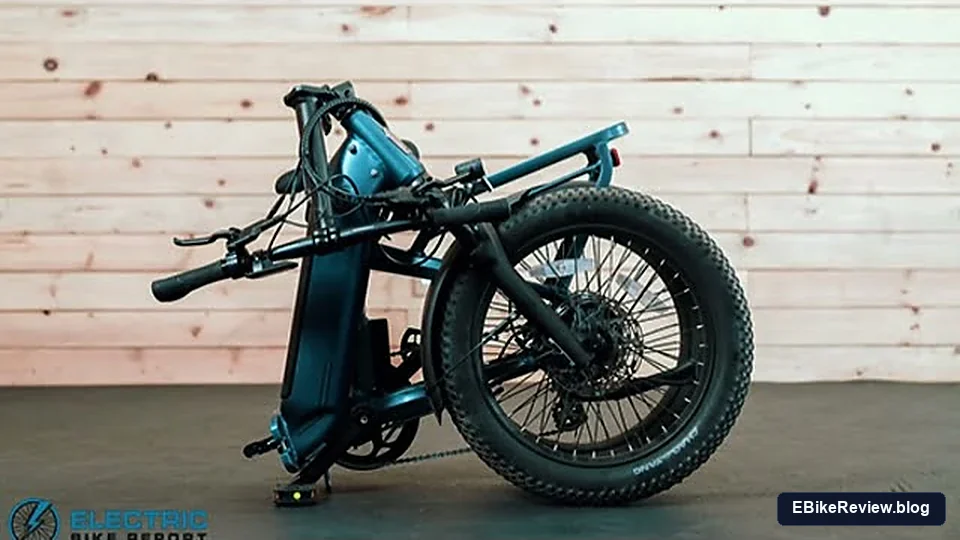
The Lectric XP 3.0 relies on a cadence sensor paired with a twist throttle. This delivers immediate power based on crank rotation rather than pedaling force.
Conversely, our Aventon Sinch 2 review details how its advanced torque sensor measures pedal pressure to deliver proportional, highly natural motor assistance.
Riders seeking instant off-the-line acceleration without heavy leg exertion will appreciate the cadence setup. Cyclists preferring organic workout synergy lean toward torque sensors.
The Lectric XP 3.0 employs a 500W nominal rear hub motor that peaks higher, utilizing a cadence sensor system that triggers power delivery once cranks rotate.
Conversely, the Aventon Sinch 2 features a torque sensor integrated into the bottom bracket, measuring rider pedal input force to modulate the 500W brushless motor output linearly.
Cadence systems deliver binary on-off power pulses, which can induce wheel slip on loose gravel surfaces, whereas torque sensors offer smooth engagement critical for technical climbing stability.
Thermal management in both hubs relies on passive aluminum casing dissipation, meaning prolonged 15-percent grades will eventually trigger controller thermal throttling to protect internal copper stator windings.
- Lectric uses a traditional cadence sensor setup.
- Aventon features a sensitive bottom-bracket torque sensor.
- Both provide robust hub motor power outputs.
Cadence Versus Torque Response Profiles
Cadence sensors act essentially like an on-off switch governed by pedal rotation speed. This creates a slight lag when starting from a complete standstill.
Torque sensors instantly translate human effort into electrical amplification. This dynamic eliminates motor surges during tight cornering maneuvers and technical urban turns.
- Cadence provides immediate throttle engagement.
- Torque optimizes battery efficiency through rider input.
Battery Chemistry and Range Realities
Energy storage dictates your operational radius before requiring a recharge cycle. Both competitors deploy 48V lithium-ion battery packs housed securely within their folding frames.
Real-world range heavily depends on terrain elevation, rider mass, and throttle usage. Using pure throttle on either bike drastically reduces total operational mileage.
Charging infrastructure requires standard household AC outlets for both platforms. Management systems protect cells against thermal runaway and overcharging during storage.
As noted in our Aventon Level review, these folding platforms utilize standard 48V lithium-ion architectures housing cylindrical cells configured for sustained high-discharge commuter profiles.
Real-world range heavily depends on rider mass, elevation profile, and throttle usage, often shrinking to 20 miles under purely electric operation despite manufacturer claims exceeding 40 miles.
Charging infrastructure requires UL-certified 2A or 3A chargers plugged into standard household outlets, taking roughly five to six hours to complete a full 0 to 100 percent replenishment cycle.
- Both models feature comparable voltage architectures.
- Real-world range varies based on assist levels.
- Integrated BMS safeguards internal battery cells.
Cell Longevity and Thermal Management
Maintaining proper cell health demands avoiding complete discharge cycles whenever possible. Storing packs at room temperature prevents premature capacity degradation over years.
The physical housing design protects sensitive wiring harnesses from moisture intrusion. Regular inspection of charging ports prevents corrosion during wet weather commutes.
- Keep batteries at moderate storage temperatures.
- Inspect terminal pins for signs of moisture.
Frame Geometry and Folding Mechanism Mechanics
Folding compact bicycles, much like what we analyzed in our Lectric XP Lite 2.0 review, require robust hinge engineering to withstand daily stress loads and prevent frame flex.
The Lectric XP 3.0 utilizes a heavy-duty steel rear rack welded directly into the frame. This design choice dramatically increases structural utility for cargo hauling.
Aventon opts for a sleeker frame profile featuring clean internal cable routing. The primary folding hinge uses a secondary safety latch to prevent accidental opening.
Lifting these machines into a trunk requires acknowledging their substantial weight footprints. Neither bike qualifies as lightweight, demanding proper lifting form from riders.
Constructed from 6061 aluminum, both frames utilize heavy-duty central hinges fitted with dual-safety locking levers to prevent accidental folding during high-speed descents or heavy loads.
The step-thru variants lower the standover height significantly, though the massive down tube houses the integrated battery pack, affecting torsional rigidity during aggressive out-of-saddle sprinting efforts.
Folding handlebars utilize quick-release mast hinges that drop the cockpit profile, allowing the entire bicycle to fit inside compact car trunks with minimal clearance issues.
Hinge maintenance requires periodic adjustment of the internal tension bolts to eliminate play, ensuring frame alignment remains true under the maximum payload ratings specified by engineers.
- Lectric integrates a heavy-duty welded rear rack.
- Aventon features internal cable routing and secure latches.
- Both bikes demand mindful lifting techniques.
Hinge Durability and Latch Maintenance
Folding latches require periodic adjustment to maintain a tight, rattle-free interface. Applying dry lubricant prevents squeaks and ensures smooth locking operations over time.
Inspect frame welding points annually for micro-fractures caused by road vibrations. Ensuring proper torque on frame bolts preserves steering geometry integrity.
- Lubricate folding latches to prevent squeaks.
- Check frame weld points for vibration stress.
Drivetrain and Stopping Power Integration
Propelling a heavy e-bike requires reliable gear shifting and robust braking systems. Mechanical components must endure high torque loads without premature chain stretch.
The Lectric XP 3.0 utilizes a standard 7-speed Shimano drivetrain paired with mechanical disc brakes. These components offer straightforward field repairs for DIY mechanics.
Similar to the hardware covered in our Aventon Aventure 2 review, the Sinch 2 features hydraulic disc brakes providing superior stopping modulation and requiring less hand effort.
Matching your braking technique to the installed hardware prevents premature pad glazing. Wet weather riding demands increased stopping distances regardless of system type.
Mechanical shifting is handled by entry-level Shimano Tourney 7-speed rear derailleurs paired with thumb shifters, offering adequate gear steps for pedaling cadences between 15 and 25 miles per hour.
Hydraulic disc brakes on these fat-tire platforms use 180mm rotors coupled with dual-piston calipers, delivering vastly superior stopping modulation and wet-weather bite compared to mechanical cable pull setups.
Brake lever integration features electronic motor-cutoff switches that immediately sever current to the controller the moment you pull, enhancing safety during emergency braking maneuvers in traffic.
Chain retention is aided by external guards, but the long chain run on folding chassis demands regular lubrication and alignment checks to prevent dropped chains during bumpy rides.
- Lectric relies on accessible mechanical disc brakes.
- Aventon features high-performance hydraulic stopping power.
- Shimano gearing handles standard urban gradients.
Brake Modulation and Pad Wear Factors
Hydraulic fluid transfer ensures even pressure distribution across both brake pads. This minimizes rotor warping and extends overall component service intervals.
Mechanical calipers require manual cable tension adjustments as pads wear down. Monitoring pad thickness prevents metal-on-metal contact during daily commutes.
- Hydraulic systems self-adjust for pad wear.
- Mechanical cables need periodic tension tuning.
Display Interfaces and Smart Connectivity
Modern e-bikes rely on handlebar-mounted displays to communicate crucial operational metrics. Screen legibility under direct sunlight determines rider awareness during daytime trips.
Lectric provides a clear, backlit LCD screen displaying speed and battery status. Navigating menu settings requires minimal button manipulation during transit.
Aventon integrates a vibrant color display with companion smartphone app connectivity. The app logs ride histories and allows custom motor tuning parameters.
Protecting these electronic modules from direct water spray ensures long-term reliability. Using a soft microfiber cloth prevents scratching delicate plastic display lenses.
Centrally mounted LCD displays provide vital telemetry, including current speed, trip distance, battery voltage, and selected assist level, all housed in weather-resistant polycarbonate enclosures.
Aventon expands functionality via smartphone application integration, enabling GPS tracking, firmware updates, and ride data logging through a Bluetooth Low Energy module built directly into the console.
Lectric relies on a more traditional diagnostic setup without companion apps, keeping troubleshooting straightforward through error code readouts directly on the handlebar-mounted monochrome screen interface.
Backlight adjustments ensure high visibility during night commutes, though direct sunlight can occasionally wash out liquid crystal panels unless viewing angles are manually adjusted by the rider.
- Lectric uses a straightforward backlit LCD unit.
- Aventon features a color display with app syncing.
- Both interfaces show essential speed and battery metrics.
App Integration and Firmware Updates
Smartphone applications enable deep customization of pedal-assist acceleration curves. Updating firmware through your mobile device patches minor software bugs seamlessly.
Ensure your phone maintains adequate battery charge when navigating via app displays. Disabling background syncing preserves device battery life during long rides.
- Companion apps allow custom motor tuning.
- Firmware updates resolve minor software glitches.
Ergonomics and Rider Adjustability
Achieving a comfortable riding posture prevents fatigue during extended urban commutes. Saddle height, handlebar reach, and tire volume dictate overall ride quality.
Both platforms feature fat tires that absorb minor road imperfections effectively. Lowering tire pressure slightly enhances cushioning over rough asphalt and gravel.
Adjustable seatposts accommodate a wide spectrum of adult rider heights easily. Handlebar stem angles allow subtle posture modifications for upright cruising.
Testing saddle ergonomics ensures pelvis support aligns properly with your anatomy. Upgrading contact points enhances comfort for daily long-distance transit.
Telescoping seatposts and adjustable stem heights accommodate a wide range of rider heights, usually spanning from five feet two inches up to six feet three inches comfortably.
High-volume 4-inch fat tires act as secondary suspension elements, absorbing high-frequency road chatter when run at lower psi pressures around 20 to 25 pounds per square inch.
Upright seating postures reduce lower back strain during urban commuting, though long-distance comfort often requires upgrading the stock saddle to a wider ergonomic platform with gel padding.
Handlebar grips feature ergonomic wing shapes that distribute palm pressure evenly, preventing ulnar nerve compression during extended rides across rough urban asphalt and uneven pavement.
- Fat tires provide natural vibration dampening.
- Adjustable seatposts fit diverse rider statures.
- Handlebar stems allow minor height tuning.
Contact Point Optimization for Commuters
Ergonomic grips distribute palm pressure evenly across the ulnar nerve. This simple upgrade prevents hand numbness during prolonged throttle or grip sessions.
Selecting a supportive saddle tailored to your sit bone width reduces chafing. Proper adjustments transform an average commuter into an all-day tourer.
- Ergonomic grips prevent hand numbness.
- Match saddle width to personal anatomy.
Maintenance Protocols and Long-Term Serviceability
Protecting your hardware investment requires adhering to strict maintenance schedules. Routine cleaning prevents abrasive grit from wearing down drivetrain components prematurely.
Lubricating the chain every hundred miles keeps pedaling efficiency at its peak. Inspecting tire tread depth prevents unexpected punctures during urban riding.
Consulting professional bike mechanics for annual tune-ups catches hidden structural issues. Proper care ensures safe operation across thousands of miles of transit.
Routine maintenance requires checking spoke tension frequently, as the combined weight of heavy frames and hub motors places immense lateral stress on wheel building components over time.
Battery storage during winter months demands maintaining a 50 percent charge in climate-controlled environments to preserve internal lithium-ion cell health and prevent premature capacity degradation.
Servicing proprietary internal wiring harnesses requires patience during controller replacements, making clean cable management essential when reassembling the folding frame pivot junctions after major repairs.
- Regular chain lubrication preserves drivetrain life.
- Inspect tires frequently for embedded debris.
- Professional tune-ups ensure structural safety.
Troubleshooting Common Electrical Gremlins
Ephemeral error codes usually point toward loose wiring harness connections. Checking connector pins for moisture resolves most sudden power interruptions.
Keep spare fuses and basic multi-tools in your commuter pack. Preparedness minimizes downtime during unexpected mechanical or electrical failures.
- Check wiring harnesses for loose pins.
- Carry basic tools for roadside adjustments.
Frequently Asked Questions
Which e-bike handles steep hills better?
The Aventon Sinch 2 handles steep inclines better due to its responsive torque sensor. This sensor instantly amplifies your pedaling effort when climbing hills.
Can I carry heavy cargo on both models?
The Lectric XP 3.0 excels at cargo hauling thanks to its integrated welded rear rack. It supports heavy accessory bags and passenger attachments securely.
Are these folding bikes easy to lift into a car trunk?
Both models are quite heavy, weighing around seventy pounds with batteries installed. Lifting them requires proper form and upper body strength.
What is the primary difference in motor activation?
The Lectric XP 3.0 uses a cadence sensor that triggers power based on crank rotation. The Aventon Sinch 2 uses a torque sensor measuring pedal pressure.
Do these e-bikes require specialized maintenance tools?
Standard bicycle tools suffice for most adjustments on both platforms. Specialized diagnostic tools are rarely needed for routine mechanical upkeep.