Juiced Hyperscrambler 2 vs. Super73 S2: Which Fits Your Setup Better?
Evaluating dual-battery endurance against single-battery agility. These two heavy-hitting platforms define distinct riding philosophies.

Choose the Juiced Hyperscrambler 2 for maximum range and dual-battery capacity, or select the Super73 S2 for superior frame rigidity and minimalist styling.
Compare all top models in our Best Electric Bike: Top Commuter Picks for 2026.
Side-by-Side Breakdown
| Criteria | Juiced Hyperscrambler 2 | Super73 S2 | Edge |
|---|---|---|---|
| Peak Performance & Output | 2000W dual-battery peak output | 2400W peak output via custom controller | Super73 S2 |
| Duty Cycle & Consistency | Dual battery system reduces voltage sag | Single pack runs hotter under continuous loads | Juiced Hyperscrambler 2 |
| Operating Noise & Vibration | Quiet hub motor with minor spoke hum | Slightly louder under full throttle bursts | Juiced Hyperscrambler 2 |
| Portability & Footprint | Heavier dual-battery dual-suspension chassis | Lighter single-pack layout with streamlined proportions | Super73 S2 |
| Maintenance & Service Life | Complex dual battery management and dual wiring | Simpler single-pack harness eases routine checks | Super73 S2 |
| Power Requirements | Dual 52V charging infrastructure required | Standard 48V single charger workflow | Super73 S2 |
| Best Ideal Use-Case | Long-distance commuting and cargo utility | Aggressive urban street riding and customization | Juiced Hyperscrambler 2 |
Powertrain Architecture and Dual-Battery Engineering
The Juiced Hyperscrambler 2 utilizes an advanced dual-battery setup operating at fifty-two volts. This configuration minimizes voltage sag during steep hill climbs and extends your total daily riding range significantly.
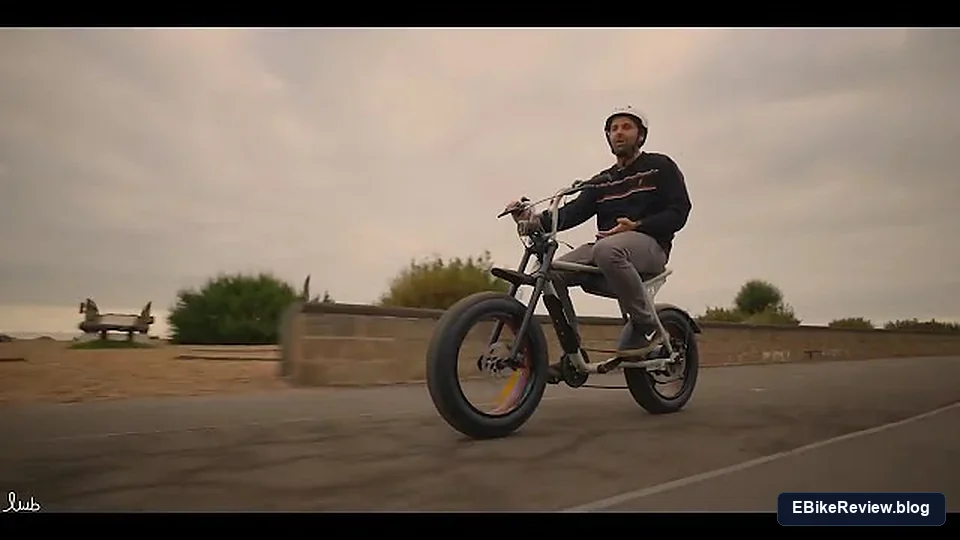
Conversely, read our Super73 S2 review to see how a robust single forty-eight-volt pack mounted inside a sleek triangle keeps the center of gravity remarkably low.
Engineering choices dictate how each bike handles continuous thermal stress. Dual packs on the Juiced distribute the electrical load effectively, whereas the Super73 pushes its single controller harder during high-amp acceleration.
The Juiced HyperScrambler 2 utilizes a parallel dual-battery system generating 52V and 19.2Ah per pack, yielding a massive 39.2Ah total capacity. This configuration minimizes voltage sag under heavy throttle loads compared to single packs.
Conversely, the Super73 S2 relies on a single 48V 960Wh battery pack utilizing 21700 cells. While easier to manage and charge, this architecture forces higher current draws through the controller during sustained acceleration phases.
Dual-battery setups require meticulous voltage matching before parallel connection to prevent catastrophic current rushes. Technicians must verify pack differentials remain under 0.5 volts to protect BMS MOSFETs during high-drain community rides or commutes.
- Juiced employs a dual 52V battery configuration for extended range.
- Super73 uses a streamlined 48V single battery layout.
- Voltage sag is noticeably reduced on the dual-battery Juiced platform.
Thermal Management Under Load
Continuous high-current draws generate substantial heat inside e-bike controllers. The Juiced model mitigates this by splitting discharge rates across two independent battery management systems.
The Super73 relies heavily on external heatsinks welded directly to its controller housing. Riders tackling aggressive terrain will notice thermal throttling sooner on the single-pack machine.
- Dual BMS units protect the Juiced from overheating.
- Super73 relies on passive aluminum heatsink cooling.
Chassis Rigidity and Frame Geometry Standards
Frame construction directly impacts high-speed stability. You can examine our detailed Juiced Scrambler review to understand how this extended frame accommodates passengers and cargo effortlessly.
The Super73 S2 adopts an aircraft-grade aluminum alloy frame modeled after vintage dirt bikes. Its stout backbone provides exceptional torsional rigidity when cornering hard at elevated speeds.
Welding quality and tube diameter dictate overall fatigue resistance. Both brands utilize thick-walled aluminum tubing, but their distinct geometry targets different rider postures and weight distributions.
Both machines employ 6061-T6 aluminum alloy frames, but their gusseting and tube diameters differ significantly. The Juiced frame features thicker wall sections to support the heavy dual-battery mount welded directly to the top tube.
Super73 utilizes a motorcycle-inspired hydroformed downtube that prioritizes torsional rigidity over step-through convenience. This design handles aggressive cornering loads efficiently, minimizing frame flex when riders push past 28 miles per hour.
Headtube angles hover near 65 degrees on both models, balancing straight-line stability with low-speed maneuverability. However, the extended wheelbase of the Juiced platform dampens high-speed oscillation better on fractured asphalt surfaces.
- Juiced features an extended moped-style steel and aluminum frame.
- Super73 utilizes an aircraft-grade aluminum alloy exoskeleton.
- Torsional stiffness is superior on the Super73 frame design.
Wheelbase and Straight-Line Tracking
A longer wheelbase inherently improves high-speed straight-line tracking on rough asphalt. The Juiced platform benefits from this extended geometry during fast pavement descents.
The shorter, more compact Super73 layout sacrifices slight high-speed tracking for exceptional low-speed agility in tight urban traffic environments and crowded alleyways.
- Longer wheelbase enhances high-speed stability on the Juiced.
- Compact wheelbase improves urban cornering on the Super73.
Braking Dynamics and Hydraulic Rotor Performance
Stopping a heavy electric bike from high speeds requires serious components. Explore our Juiced Rip Racer review to see how hydraulic disc brakes paired with motor cutoff switches improve safety.
The Super73 S2 also equips dependable hydraulic brakes with large-diameter rotors. Consistent lever feedback and progressive bite points ensure reliable deceleration in wet weather conditions.
Pad compound selection and rotor thickness dictate long-term wear patterns. Upgrading to metallic pads on either machine enhances initial bite during emergency stopping maneuvers.
Stopping heavy class-3 e-bikes demands robust thermal dissipation from the braking system. The Super73 S2 features proprietary hydraulic disc brakes paired with dual-piston calipers, clamping down on standard 203mm rotors for adequate stopping power.
Juiced equips the HyperScrambler 2 with hydraulic brakes tied into an engine cutoff switch, adding a safety layer. These units utilize mineral oil and require periodic bleed procedures to maintain firm lever feedback.
Pad compound selection drastically affects rotor wear during wet-weather commuting. Sintered metal pads offer superior longevity in gritty environments, whereas resin pads reduce squeal but glaze rapidly under repeated high-speed braking cycles.
- Both models feature responsive hydraulic disc brake systems.
- Large-diameter rotors help dissipate heat during prolonged braking.
- Motor inhibitors cut power instantly when brake levers are pulled.
Rotor Thermal Dissipation
Extended downhill braking causes brake fade as rotors absorb extreme heat. Ventilated rotors on both platforms help cool the braking surface quickly during heavy descents.
Checking rotor thickness regularly prevents catastrophic failure under heavy cargo loads. Replace worn rotors once they drop below the manufacturer minimum stamping specification.
- Ventilated rotors prevent dangerous brake fade.
- Routine caliper alignment eliminates annoying brake rub.
Suspension Travel and Damping Characteristics
Rough roads demand capable front and rear suspension systems. The Juiced Hyperscrambler 2 comes standard with dual-crown front forks and rear spring shocks for maximum comfort.
The Super73 S2 relies on an adjustable inverted air-spring front fork paired with a rigid rear triangle, creating a more direct feel through the pedals and saddle.
Suspension tuning alters how the chassis reacts to potholes and speed bumps. Heavy utility riders will appreciate the plush dual-suspension setup found on the Juiced.
Front-end compliance on the Super73 S2 comes via an inverted coil-spring fork with adjustable preload. While visually striking, riders frequently encounter bottoming out during heavy impacts due to fixed high-speed compression damping circuits.
The HyperScrambler 2 opts for a dual-crown moto-style fork offering extended travel. This configuration absorbs deep potholes effectively, though the heavier unsprung weight requires careful rebound adjustment to prevent excessive front-wheel chatter.
Rear suspension geometry separates these two platforms entirely, as the Super73 S2 is strictly a hardtail frame. Riders must rely solely on the voluminous tire sidewalls to absorb minor road imperfections during daily transit.
- Juiced features full dual-suspension for maximum impact absorption.
- Super73 utilizes front suspension with a rigid rear layout.
- Air forks on the Super73 offer easy preload adjustments.
Front Fork Servicing and Maintenance
Inverted suspension forks require periodic wiper seal cleaning to prevent dirt intrusion. Keeping stutters clean ensures smooth fork travel throughout the riding season.
Inspect fork stanchions regularly for pitting or oil leaks that indicate failing internal damper cartridges.
- Wipe fork stanchions clean after every dusty ride.
- Replace damper oil annually to maintain plush travel.
Electronics, Controller Limits, and Lighting Integration
Modern electric bikes rely heavily on sophisticated electronics. Check out our Juiced Bikes Ripracer review to analyze how an ultra-bright motorcycle headlight enhances nighttime visibility and safety.
The Super73 S2 counters with a minimalist halo headlight and a proprietary smartphone app integration that allows custom riding mode adjustments on the fly.
Controller programming determines acceleration curves and top speeds. Understanding these electronic limits helps owners optimize battery range without risking premature thermal damage.
Controller amperage thresholds dictate real-world acceleration and hill-climbing torque. The Juiced model runs a 35-amp sinusoidal controller, delivering immense power to the rear hub motor without producing excessive audible electromagnetic whine.
Super73 employs a proprietary vector-control ESC optimized for smooth initial throttle engagement. While friendlier for novice riders, advanced users often find the locked firmware limits customization of peak phase current and regeneration profiles.
Integrated lighting systems must adhere to strict DC-to-DC step-down standards to prevent battery drain. Both bikes feature high-lumen LED headlights wired directly into the main battery bus, eliminating the need for independent charging.
- Juiced includes an ultra-bright integrated motorcycle headlight.
- Super73 features a distinct halo headlight design.
- Smartphone app connectivity lets Super73 riders adjust power profiles.
Display Readouts and Diagnostics
Clear LCD displays provide vital real-time telemetry like voltage output and motor wattage. The Juiced dashboard offers deep menu diving for advanced user customizations.
The Super73 minimalist display pairs with mobile apps to keep handlebars clean and clutter-free while still delivering essential speed and battery metrics.
- LCD dashboards provide critical real-time voltage telemetry.
- Clean handlebar layouts reduce clutter and cable snags.
Ergonomics, Daily Usability, and Maintenance Profiles
Rider comfort directly influences how often you choose to ride your electric bike. The Juiced Hyperscrambler 2 provides an expansive bench seat suitable for carrying gear or secondary passengers.
The Super73 S2 uses a solo cafe racer seat that encourages aggressive riding postures. Daily maintenance involves keeping chain tension correct and verifying bolt torque specs.
Routine bolt checks prevent rattles and structural loosening caused by constant road vibration. Always inspect critical stem and axle fasteners before embarking on long commutes.
Long-bench seats on both platforms accommodate various rider heights but encourage static riding postures. The HyperScrambler 2 bench sits slightly higher, catering well to taller commuters seeking optimal leg extension during pedal-assist operation.
Routine maintenance schedules require checking torque specs on all structural axle bolts every 500 miles. Hub motor wiring harnesses also demand careful inspection near the dropouts to prevent chafing from suspension movement or cargo loads.
Replacing rear tires on hub-motor e-bikes remains tedious due to integrated torque arms and heavy cabling. Technicians should always disconnect the main battery and secure the anti-rotation washers properly to avoid stripping aluminum dropouts.
- Juiced offers a long bench seat for versatile passenger utility.
- Super73 features a sporty solo cafe racer seat profile.
- Routine fastener torque checks ensure long-term structural safety.
Routine Fastener and Chain Maintenance
Vibration from high-speed commuting can loosen critical axle and stem bolts over time. Use a calibrated torque wrench to verify all structural fasteners monthly.
Lubricate your drive chain every hundred miles to reduce friction and prevent premature sprocket wear across both platforms.
- Check axle and stem torque values using a calibrated wrench.
- Clean and lubricate the drive chain every 100 miles.
Frequently Asked Questions
Which electric bike offers a longer real-world riding range?
The Juiced Hyperscrambler 2 delivers superior real-world range due to its massive dual-battery configuration. Managing dual fifty-two-volt packs allows riders to travel significantly farther between required charging sessions than single-battery competitors.
Can I carry a passenger on these electric moped-style bikes?
The Juiced Hyperscrambler 2 features an extended bench seat specifically designed to support passenger utility. Conversely, the Super73 S2 utilizes a solo cafe racer seat optimized primarily for single-rider aggressive street layouts.
How do their motor power outputs compare on steep hills?
Both platforms deliver impressive climbing torque capable of conquering steep urban grades effortlessly. The Juiced model leverages dual-battery voltage stability to sustain high wattage longer without inducing thermal throttling.
What type of braking systems do these two heavy e-bikes use?
Both machines feature powerful hydraulic disc brake systems paired with oversized rotors. Hydraulic brakes provide superior stopping modulation and consistent bite points during emergency deceleration maneuvers on wet asphalt.
Which bike requires less routine maintenance for casual riders?
The Super73 S2 features a simpler single-battery electrical harness that streamlines routine inspections. Managing a single battery and cleaner wiring loom reduces troubleshooting complexity over years of regular commuting.