Hardtail vs. Full Suspension Electric Bike: Which Fits Your Setup Better?
Choosing between a hardtail and a full suspension electric bike dictates your riding efficiency. Understanding frame geometry, drivetrain loading, and terrain compliance helps optimize your daily trail performance.

Choose Side A for maximum pedaling efficiency on smooth climbs, or select Side B for superior technical traction and impact absorption on rough descents.
Compare all top models in our Best Electric Bike: Top Commuter Picks for 2026.
Side-by-Side Breakdown
| Criteria | Hardtail | Full Suspension Electric Bike | Edge |
|---|---|---|---|
| Peak Performance & Output | High direct power transfer | Optimized traction under load | Hardtail |
| Duty Cycle & Consistency | Minimal mechanical complexity | Complex multi-linkage compliance | Hardtail |
| Operating Noise & Vibration | High frequency feedback | Active shock dampening | Full Suspension |
| Portability & Footprint | Lighter overall chassis mass | Heavier frame with linkages | Hardtail |
| Maintenance & Service Life | Low upkeep requirements | Frequent pivot bearing service | Hardtail |
| Power Requirements | Maximized battery range efficiency | Slight energy loss from bob | Hardtail |
| Best Ideal Use-Case | Smooth climbs and light trails | Technical descents and rough tracks | Full Suspension |
Frame Geometry and Structural Rigidity
Hardtail frames offer a direct power transfer because the rear triangle lacks pivot points. This rigid design minimizes energy loss, making every watt count during steep climbs.
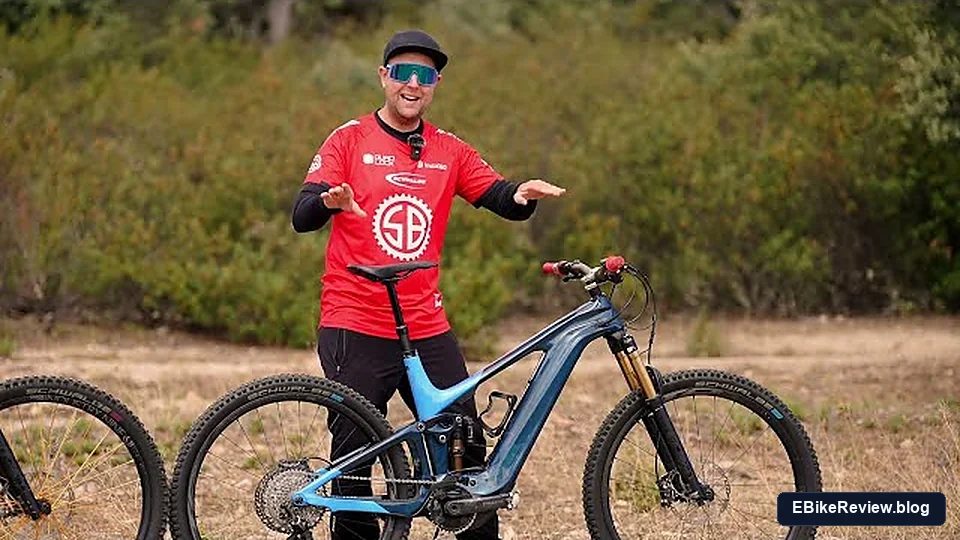
Evaluating choices within the best full suspension electric mountain bikes under $3,000 roundup shows linkage bearings introduce minor flex, though advanced kinematic designs successfully mitigate energy waste under heavy pedaling loads.
Hardtail frames feature a rigid rear triangle welded directly to the bottom bracket shell. This direct connection maximizes pedaling efficiency by eliminating energy loss through pivots under heavy torque loads from mid-drive motors.
Full-suspension frames integrate multiple pivot bearings and linkage assemblies. While engineers optimize these paths to reduce pedal bob, the design inherently introduces minor lateral flex during aggressive cornering and steep technical climbs.
- Rigid rear triangles maximize climbing efficiency on smooth fire roads.
- Linkage pivots introduce slight weight penalties but improve technical compliance.
- Frame material fatigue varies significantly between single-pivot and multi-link layouts.
Suspension Kinematics Analysis
Analyzing axle paths reveals why hardtails maintain a constant wheelbase length. Full suspension models experience dynamic wheelbase changes, altering high-speed stability across rough rock gardens.
Anti-squat properties dictate how suspension systems react to chain tension. Hardtails require zero tuning here, whereas full suspension setups demand precise pivot placement.
- Axle path consistency preserves predictable handling.
- Anti-squat tuning eliminates unwanted pedal bob.
Drivetrain Efficiency and Power Delivery
Electric motors amplify rider torque, placing immense stress on chains and cassettes. Hardtails experience predictable chain growth, extending component service life during aggressive shifting.
Full suspension bikes undergo constant chainstay elongation as the rear shock compresses. This dynamic movement creates pedal kickback, accelerating wear on drivetrain components prematurely.
Hardtails maintain a constant chainstay length, ensuring optimal chain tension and reducing premature wear on derailleur pulleys. This simplicity preserves mechanical energy transferred directly from the chainring to the rear wheel cassette.
Full-suspension setups experience constant chain growth as the rear triangle cycles through its travel. This dynamic tension requires precise derailleur clutch tuning to prevent chain drop during heavy motor acceleration over rough obstacles.
- Constant chainstay length on hardtails preserves optimal derailleur alignment.
- Suspension compression introduces pedal feedback under high motor torque outputs.
- Mid-drive motors demand robust chains capable of handling extreme side-loads.
Motor Torque Integration
High-torque mid-drive systems interact differently with rear suspension kinematics. Hardtails transmit motor power instantly to the rear wheel without absorbing energy through pivot linkages.
Full suspension frames absorb some initial motor torque into rear shock compression. Riders must adjust shifting patterns to maintain cadence across technical obstacles and steep inclines.
- Instant power delivery enhances responsiveness.
- Torque absorption smooths out power spikes.
Terrain Compliance and Shock Absorption
Rigid rear ends on hardtails transmit high-frequency vibrations directly to the rider's lower back. This lack of rear isolation leads to quicker fatigue on rugged, root-strewn tracks.
Exploring our recommended best full suspension electric mountain bike lineup reveals rear dampers designed to isolate riders from harsh impacts. Air or coil shocks maintain tire contact, drastically improving rear braking traction.
Hardtails rely solely on front suspension forks and tire compliance to absorb trail impacts. Riders must actively absorb harsh hits with their legs, increasing fatigue on rough terrain compared to fully active suspension platforms.
Full-suspension electric bikes utilize multi-link rear shocks to keep the rear tire glued to undulating ground. This active tracking drastically improves traction limits on loose climbs and high-speed root-strewn descents.
- Rear tire tracking improves significantly over loose rocks with active suspension.
- Hardtails force riders to actively use their legs as natural suspension.
- Air shocks provide adjustable progression curves for varying rider weights.
High-Speed Descending Dynamics
Descending on a hardtail requires precise line choice to avoid punishing rear-wheel impacts. Riders must hover above the saddle to absorb shocks with their joints.
Full suspension platforms allow seated descending through minor rock gardens. The rear shock absorbs square-edged hits, maintaining momentum and reducing upper-body strain noticeably.
- Seated descending reduces fatigue significantly.
- Line choice requires less precision on dual suspension.
Weight Distribution and Maneuverability
Hardtails typically weigh significantly less than their dual-suspension counterparts. This lower overall mass makes them easier to lift over obstacles and load onto vehicle racks.
Adding rear shocks, linkages, and pivot bearings increases a bike's total weight by several pounds. This extra mass concentrates near the bottom bracket, altering handling dynamics.
Hardtail models are significantly lighter, making them easier to maneuver, lift over obstacles, and load onto vehicle racks. The lower overall weight directly enhances steering agility in tight, twisting singletrack sections.
Options featured in our cheapest full suspension electric mountain bike guide carry extra weight from linkages and rear shock dampers. This mass is centered low, providing exceptional high-speed stability at the expense of agility.
- Lighter chassis weight enhances agility during tight, low-speed cornering maneuvers.
- Heavier full suspension bikes feel more planted at high speeds.
- Battery placement remains crucial for balancing front-to-rear weight distribution ratios.
Center of Gravity Shifts
Electric components shift the center of gravity upward and toward the motor. Hardtails keep the rear end light, allowing snappy direction changes on narrow singletrack trails.
Full suspension frames distribute mass differently due to rear linkage hardware. While slightly less nimble, they offer unmatched stability when carving through high-speed berms.
- Snappy direction changes favor hardtails.
- High-speed cornering stability favors full suspension.
Maintenance Protocols and Long-Term Service
Maintenance demands differ drastically between these two distinct frame platforms. Hardtails require minimal upkeep since they lack pivot bearings, bushings, and rear shock dampers.
Quality options from our best full suspension electric mountain bike under $4,000 roundup require regular linkage bearing inspections and periodic shock rebuilds. Neglecting these maintenance intervals leads to premature wear and suspension binding.
Hardtails require minimal frame maintenance since they lack pivot bearings, bushings, and rear shocks. Routine service focuses primarily on drivetrain wear, headset adjustments, and standard brake pad replacements over extended intervals.
Full-suspension rigs demand rigorous upkeep, including annual pivot bearing overhauls, shock air-can service, and torque checks on all linkage hardware. Neglecting these tasks leads to premature wear and annoying creaking noises.
- Pivot bearing replacement adds recurring maintenance costs for full suspension models.
- Hardtails reduce mechanical failure points by eliminating rear suspension hardware.
- Rear shock air seals demand cleaning after muddy wet weather rides.
Bearing and Pivot Longevity
Sealed cartridge bearings in full suspension linkages face constant moisture and grit exposure. Proper torque specifications must be maintained to prevent frame stress and premature failure.
Hardtail owners bypass these complex service schedules entirely. Their rear triangles remain completely solid, requiring only standard wheel truing and drivetrain cleaning routines.
- Sealed bearings protect against grit.
- Solid rear triangles eliminate linkage services.
Battery Range and Energy Consumption
Energy efficiency directly impacts overall battery range during long trail rides. Hardtails conserve battery power by eliminating bobbing and energy loss during seated climbing efforts.
Full suspension bikes consume slightly more battery capacity due to suspension bob. Suspension lockout levers help mitigate this energy loss on smooth tarmac or gravel climbs.
Hardtails generally yield superior battery range per charge due to their lighter overall weight and rigid rear triangles. The lack of energy absorption ensures maximum watt-hour efficiency on paved or smooth gravel roads.
Full-suspension electric bikes consume more battery capacity because the suspension absorbs a fraction of rider and motor power. This mechanical drag slightly reduces total range during technical off-road riding sessions.
- Lockout levers on rear shocks maximize climbing efficiency and range.
- Lighter hardtails require less motor output to maintain steady cruising speeds.
- Rolling resistance decreases when rear tires maintain consistent ground contact.
Efficiency on Ascents
Climbing steep fire roads highlights the efficiency advantages of hardtail frames. Every pedal stroke translates directly forward without compressing a rear suspension dampening platform.
Full suspension climbers benefit from active traction control on loose surfaces. Although minor energy is lost, maintaining rear-wheel grip prevents wheel slip on technical climbs.
- Direct force translation aids fire road climbs.
- Active traction control prevents technical wheel slip.
Cost-to-Performance Value Propositions
Budget allocation plays a major role when choosing an electric mountain bike. Hardtails offer higher-tier components like premium drivetrains and brakes at lower price points.
Full suspension models allocate significant manufacturing budget toward frame linkages and shocks. Consequently, entry-level dual-suspension bikes often feature lower-spec components compared to similarly priced hardtails.
Hardtail electric bikes offer significantly higher component specs at lower purchase thresholds by omitting expensive rear shock assemblies. Buyers receive superior drivetrains and batteries for their capital investment without complex suspension tuning.
Full-suspension platforms command higher prices due to complex frame manufacturing and premium damper technologies. Riders pay for enhanced comfort and control, prioritizing terrain adaptability over basic component tier upgrades.
- Higher component spec availability makes hardtails attractive budget-conscious choices.
- Dual-suspension platforms demand higher initial investments for comparable shifting performance.
- Resale values fluctuate based on suspension shock condition and linkage wear.
Investment Longevity
Purchasing a hardtail ensures your money buys superior motors and batteries. The simpler frame design reduces lifetime repair costs and simplifies home mechanical servicing tasks.
Investing in full suspension yields unmatched comfort and trail versatility. Buyers must factor in ongoing shock service expenses when calculating long-term ownership costs.
- Simpler frames lower total repair costs.
- Versatility offsets initial higher investments.
Frequently Asked Questions
Which option is better for steep climbing?
Hardtails provide superior climbing efficiency due to their rigid rear triangles. This design prevents energy loss from pedal bob during steep ascents.
Do full suspension models require more maintenance?
Yes, they require regular pivot bearing checks and shock servicing. Linkage maintenance is essential to prevent premature component wear and annoying frame creaks.
How does weight affect handling between them?
Hardtails are significantly lighter, offering agile handling on tight singletrack. Full suspension bikes add weight from linkages, providing enhanced stability at high speeds.
Can hardtails handle rough descending trails?
They handle rough terrain but require active rider body positioning. Riders must hover above saddles to absorb impacts that rear shocks would normally filter.
Which type offers better battery range efficiency?
Hardtails generally offer slightly better battery range on smooth climbs. Their rigid frames eliminate suspension energy loss, translating directly into extended motor efficiency.