Electric Mountain Bike vs. Electric Gravel Bike: Which Fits Your Setup Better?
Choosing between an electric mountain bike and an electric gravel bike requires understanding chassis design and motor torque profiles. Your daily riding terrain ultimately dictates the ideal machine architecture.

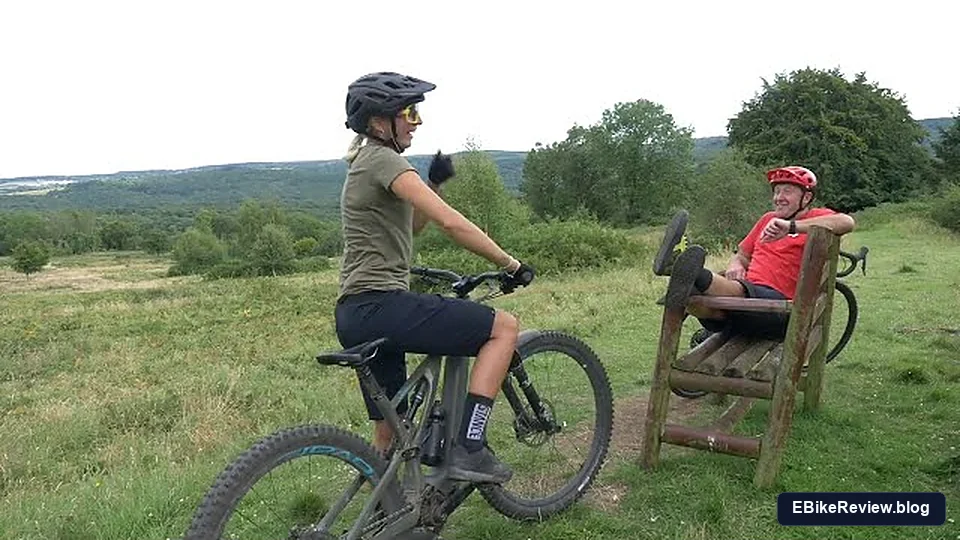
The electric mountain bike dominates technical singletrack and rugged descents, whereas the electric gravel bike excels on light fire roads and long-distance paved touring.
Compare all top models in our Best Electric Bike: Top Commuter Picks for 2026.
Side-by-Side Breakdown
| Criteria | Electric Mountain Bike | Electric Gravel Bike | Edge |
|---|---|---|---|
| Peak Performance & Output | High torque mid-drive motors up to 85Nm+ | Optimized lightweight motors around 55Nm | Electric Mountain Bike |
| Duty Cycle & Consistency | Built for high-heat continuous output on climbs | Designed for efficient battery preservation | Electric Mountain Bike |
| Operating Noise & Vibration | Heavier suspension damping absorbs trail hits | Rigid carbon frames transmit high road chatter | Electric Mountain Bike |
| Portability & Footprint | Heavier frame weights averaging 50 to 55 lbs | Lighter builds averaging 30 to 38 lbs | Electric Gravel Bike |
| Maintenance & Service Life | Frequent pivot bearing and suspension service | Simplified rigid layout with fewer moving parts | Electric Gravel Bike |
| Power Requirements | Large 600Wh to 750Wh internal batteries | Streamlined 250Wh to 500Wh battery packs | Electric Mountain Bike |
| Best Ideal Use-Case | Steep technical singletrack and mountain passes | Mixed surface exploration and endurance riding | Split by Terrain |
Frame Geometry and Structural Engineering
Electric mountain bikes utilize slack head angles and reinforced aluminum or carbon front triangles to handle high impact forces. This architecture prioritizes stability during aggressive descents over rapid steering responsiveness.
Conversely, electric gravel bikes feature steeper geometry and longer wheelbases to maintain predictable tracking across loose gravel. Their frames emphasize vertical compliance to reduce rider fatigue during extended endurance events.
Engineering tolerances differ dramatically because mountain platforms face severe torsional loads from drop-offs. Gravel variations manage repetitive low-amplitude vibrations generated by unpaved rural roads and washboard surfaces.
- Slacker headtube angles improve descending confidence.
- Longer reach measurements accommodate aggressive trail stances.
- Reinforced bottom bracket shells handle high pedal torque.
Chassis Stiffness and Material Science
Manufacturers select heavy-duty alloy tubes for mountain frames to withstand direct rock strikes. Gravel designers lean toward specialized carbon layouts that flex vertically while resisting lateral forces.
Weight distribution also shifts significantly between these two distinct platforms during manufacturing. Mountain options centralize mass near the bottom bracket, whereas gravel versions distribute weight evenly throughout.
- Alloy impact resistance versus carbon vibration damping.
- Strategic gusset placement for high-stress pivot zones.
Motor Integration and Torque Delivery Systems
Choosing the best electric mountain bike under 1000 brings massive torque output to conquer steep technical climbs. These systems respond instantly to rider pedal input using sophisticated cadence and torque sensors.
Electric gravel bikes generally utilize lighter, more subtle drive units focused on extending range. Their power delivery is tuned for smooth, natural assistance that mimics traditional non-motorized endurance riding.
Thermal management varies significantly based on intended motor workloads during prolonged ascents. Mountain units feature extensive cooling fins, while gravel motors rely on ambient airflow over smaller casings.
- High-torque mid-drives maximize steep incline performance.
- Compact hub or lightweight mid-drives preserve natural handling.
- Advanced torque sensors provide seamless power modulation.
Sensor Calibration and Assistance Algorithms
Mountain motor firmware prioritizes immediate low-end grunt for restarting on steep inclines. Gravel firmware focuses on progressive ramp-up curves to prevent wheel slip on loose surfaces.
Custom tuning apps allow riders to adjust peak output and battery consumption profiles safely. This adaptability ensures optimal efficiency regardless of the specific route characteristics encountered daily.
- Instantaneous low-speed engagement for technical obstacles.
- Smooth progressive power delivery for loose surfaces.
Suspension Kinematics Versus Rigid Compliance
Selecting the best electric mountain bike ensures robust pivot linkages isolate pedaling forces from trail bumps. This active travel absorbs heavy impacts, maintaining tire contact over roots and rocky sections.
Electric gravel bikes typically rely on rigid carbon forks, occasionally paired with micro-suspension stem pivots. This approach maximizes pedaling efficiency on smooth dirt roads without adding unnecessary mechanical complexity.
Choosing between active damping and rigid compliance defines your overall riding comfort and energy expenditure. Heavy suspension eats watts on climbs, whereas rigid setups transmit fatigue directly to your arms.
- Active pivot linkages maintain maximum rear-wheel traction.
- Rigid carbon structures maximize direct power transfer.
- Micro-suspension stems filter high-frequency road chatter.
Shock Tuning and Damper Architecture
Mountain rear shocks require custom tune profiles to manage heavier e-bike chassis weights. Proper rebound damping prevents the rear end from bucking during high-speed technical descents.
Gravel compliance relies heavily on tire volume and carbon layup rather than hydraulic dampers. This reduces routine maintenance overhead for riders tackling massive multi-day bikepacking excursions.
- Custom damper tunes handle increased e-bike chassis mass.
- Eliminating complex linkages saves maintenance time.
Drivetrain Specifications and Gear Ratios
Our best electric mountain bike under 3000 guide highlights wide-range 12-speed cassettes paired with robust steel chainrings. These components withstand extreme chain tension generated by powerful mid-drive motors.
Electric gravel bikes frequently adopt specialized gravel-specific groupsets offering tighter gear steps. These ratios help riders maintain an optimal cadence during long, steady efforts on rolling terrain.
Clutch-equipped rear derailleurs are standard across both categories to prevent chain drop on rough terrain. However, mountain chains and cassettes wear out faster due to grit exposure and high loads.
- Wide-range cassettes provide ultra-low climbing gears.
- Tighter gear steps optimize cadence on rolling gravel roads.
- Reinforced chain links resist high-torque snapping.
Chainline Efficiency and Wear Patterns
Maintaining a straight chainline reduces premature wear on expensive e-bike specific cassettes. Professional mechanics recommend inspecting chain elongation monthly to protect your chainrings.
Gravel drivetrains experience less extreme instantaneous torque spikes during shifting operations. Consequently, component longevity is generally higher for gravel riders who practice regular cleaning.
- Monthly chain stretch checks prevent costly drivetrain replacements.
- Lower torque loads extend gravel cassette service life.
Tire Clearance and Wheelset Mechanics
Electric mountain bikes feature wide rims and high-volume tires ranging from 2.4 to 2.8 inches. These massive contact patches deliver exceptional mechanical grip on loose dirt, mud, and wet roots.
Electric gravel bikes utilize narrower tires typically measuring 38mm to 50mm in width. Their wheelsets prioritize aerodynamic efficiency and lightweight rotational mass for sustained high-speed cruising.
Tubeless setups are mandatory for both styles to prevent pinch flats during aggressive riding. Lower tire pressures improve ride quality significantly across all unpaved riding environments.
- High-volume mountain tires maximize cornering traction.
- Narrower gravel profiles reduce aerodynamic drag.
- Tubeless tire sealant prevents common trail punctures.
Rim Construction and Hub Durability
Mountain wheelsets require reinforced spoke beds and heavy-duty hubs to absorb landing impacts. Heavy e-bike loads demand robust axle standards like boost spacing for optimal stiffness.
Gravel wheelsets balance lateral stiffness with vertical compliance using shallow carbon rims. Sealed cartridge bearings protect internal hub mechanisms from fine dust and moisture intrusion.
- Boost hub spacing increases mountain wheel durability.
- Shallow carbon rims enhance gravel comfort and speed.
Battery Capacity and Range Optimization
Electric mountain bikes integrate massive batteries ranging from 600Wh to 750Wh to offset severe climbing loads. These large energy reservoirs support intense weekend rides without requiring mid-trip recharging stops.
Electric gravel bikes utilize sleeker, smaller batteries between 250Wh and 500Wh to save weight. Because gravel routes feature less resistance, these smaller capacities still deliver impressive all-day riding ranges.
Range anxiety management depends entirely on terrain profile, rider output, and assistance level selection. Smart battery management systems protect cells from thermal overload during prolonged high-output climbs.
- Large battery packs support steep, energy-intensive climbs.
- Sleeker batteries preserve lightweight gravel handling.
- Smart BMS technology prevents dangerous thermal runaway.
Range Extenders and Charging Protocols
Many modern electric bikes support bottle-cage mounted range extenders for ultra-long expeditions. These auxiliary batteries plug directly into the main charging port seamlessly.
Fast chargers reduce downtime significantly during midday meal stops on multi-day tours. Always store lithium-ion battery packs at room temperature to preserve long-term cell health.
- Bottle-cage range extenders boost total system capacity.
- Proper storage temperatures maximize overall battery lifespan.
Braking Systems and Thermal Management
Electric mountain bikes rely on powerful four-piston hydraulic brakes paired with thick rotors. This stopping power is essential for controlling heavy chassis momentum on steep, loose mountain descents.
Electric gravel bikes typically feature lighter two-piston hydraulic disc brakes and smaller rotors. These systems offer adequate stopping modulation for lower overall bike weights and less extreme slopes.
Resin brake pads provide quiet initial bite, while metallic pads resist brake fade during long descents. Proper rotor sizing prevents dangerous heat buildup that can boil hydraulic fluid.
- Four-piston calipers deliver maximum stopping force.
- Large rotors dissipate heat during long technical descents.
- Hydraulic lines ensure consistent lever feel in all weather.
Pad Compounds and Rotor Maintenance
Inspect your brake pads frequently for uneven wear caused by heavy e-bike braking forces. Clean rotors with specialized isopropyl alcohol to eliminate annoying squeal and restore friction.
Gravel braking requires finesse to avoid locking wheels on loose dirt surfaces. Proper modulation ensures you maintain steering control while shedding speed safely.
- Frequent pad inspections prevent sudden braking failure.
- Isopropyl cleaning eliminates unwanted disc brake noise.
Maintenance Protocols and Component Longevity
The best full suspension electric mountain bike requires rigorous maintenance schedules due to harsh off-road contaminants. Pivot bearings, suspension seals, and drivetrain components demand regular cleaning and professional servicing.
Electric gravel bikes offer simpler maintenance routines thanks to rigid frames and fewer moving parts. Home mechanics can easily service most gravel components with standard workshop hand tools.
Preventative care protects your investment and ensures safe operation across demanding terrain. Establishing a routine cleaning habit dramatically extends the operational lifespan of expensive motor systems.
- Regular pivot bearing service prevents costly frame damage.
- Simplified gravel layouts reduce professional repair bills.
- Consistent cleaning protects sensitive electronic connections.
Workshop Best Practices and Storage
Always remove the battery before washing your electric bike with high-pressure hoses. Store your machine in a dry, climate-controlled environment away from direct sunlight and extreme frost.
Keep firmware updated using manufacturer mobile applications to ensure optimal motor performance. Professional diagnostics can catch minor electrical faults before they cause trailside breakdowns.
- Remove batteries prior to washing to protect electronics.
- Regular firmware updates optimize motor efficiency and power.
Frequently Asked Questions
Can I ride an electric gravel bike on technical mountain bike trails?
Riding an electric gravel bike on technical singletrack is possible but severely limited by rigid forks and narrow tires. Proper mountain bikes are required for handling drops and roots safely.
Why are electric mountain bikes significantly heavier than electric gravel bikes?
Electric mountain bikes incorporate heavy-duty suspension linkages, robust frame tubing, and massive batteries. These heavy components are essential for withstanding severe off-road impacts and extreme trail forces.
How does motor torque affect range on unpaved surfaces?
Higher torque output consumes battery capacity much faster during steep climbs and rapid acceleration. Efficient motor tuning on gravel bikes preserves battery life for longer endurance rides.
What is the primary maintenance difference between both bike types?
Electric mountain bikes require frequent suspension servicing and pivot bearing replacements. Electric gravel bikes feature simpler rigid designs with significantly fewer moving parts to maintain.
Are tubeless tires necessary for both electric mountain and gravel bikes?
Tubeless tire setups are strongly recommended to prevent frequent pinch flats on rough terrain. Running lower pressures improves traction and enhances ride comfort across unpaved surfaces.