E Bike Hub Motor vs. Mid Drive: Which Fits Your Setup Better?
Choosing between hub motors and mid drives shapes your drivetrain efficiency and torque delivery. This technical breakdown evaluates internal mechanics to guide your purchase.

For flat-terrain commuting and budget simplicity, choose the hub motor. For steep climbing and natural pedaling dynamics, select the mid drive.
Compare all top models in our Best Electric Bike: Top Commuter Picks for 2026.
Side-by-Side Breakdown
| Criteria | E Bike Hub Motor | Mid Drive | Edge |
|---|---|---|---|
| Peak Performance & Output | Direct force applied via wheel axle | Mechanical advantage through bicycle gears | Mid Drive |
| Duty Cycle & Consistency | Prone to thermal throttling under heavy loads | Superior heat dissipation via frame integration | Mid Drive |
| Operating Noise & Vibration | Whisper-quiet direct drive or subtle geared whir | Noticeable internal gear mesh hum under load | Hub Motor |
| Portability & Footprint | Adds noticeable unsprung weight to wheels | Centralized mass improves overall frame balance | Mid Drive |
| Maintenance & Service Life | Isolated system independent of chain wear | Accelerates chain and cassette wear significantly | Hub Motor |
| Power Requirements | Draws steady electrical current from battery pack | Optimizes wattage usage through gear shifting | Mid Drive |
| Best Ideal Use-Case | Urban commuting and relaxed recreational riding | Mountain biking, cargo hauling, and steep hills | Mid Drive |
Fundamental Architecture and Drivetrain Mechanics
Hub motors integrate directly into the front or rear wheel assembly. They apply rotational force independently of your bicycle chain, reducing stress on mechanical components.
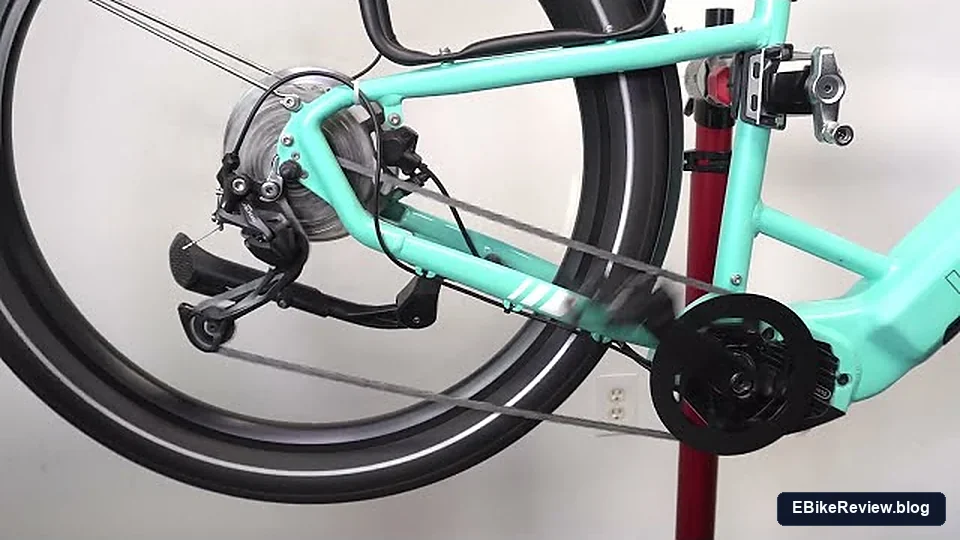
Mid drive systems mount directly to the bottom bracket shell. They harness the bicycle chain and cassette to multiply torque through your existing gear ratios.
Hub motors integrate directly into the wheel axle, applying rotational force independently of the chain. This direct-drive or geared layout bypasses the bicycle chain, reducing stress on standard drivetrain components during heavy acceleration cycles.
Mid-drive units mount centrally within the bottom bracket shell, leveraging the bicycle's mechanical gears. By driving the crankset directly, these systems multiply torque through the rear cassette, achieving superior mechanical advantage on steep incline climbs.
- Hub motors bypass drivetrain stress entirely.
- Mid drives leverage multi-gear mechanical advantage.
- Axle integration dictates total unsprung wheel weight.
Torque Multiplication Principles
Mid drives amplify human input directly at the cranks. This mechanical leverage allows smaller motors to conquer steep inclines effortlessly.
Hub motors rely purely on electromagnetic force without gear multiplication. Choosing the right setup requires evaluating our best mid drive electric bike for climbing picks to ensure reliable hill-climbing torque.
- Crank-based torque delivery feels exceptionally natural.
- Raw wattage substitutes for mechanical gear ratios.
Climbing Efficiency and Gradient Performance
Tackling steep mountain passes exposes the stark engineering differences between these two motor topologies. Mid drives excel by utilizing low gears to maintain optimal motor RPM.
Hub motors struggle on extended steep climbs because wheel speed drops. This reduction in RPM can cause internal overheating and thermal shutdown in high-output units.
When tackling sustained vertical gradients exceeding 10 percent, hub motors can struggle due to fixed gear ratios. Operating below optimal RPM thresholds causes motor overheating, forcing thermal throttling to protect internal copper windings from irreversible heat damage.
Mid-drives excel on steep climbs by routing power through the bicycle transmission. Dropping into an easier gear allows the motor to spin at high, efficient RPMs while delivering up to 85Nm of torque directly to the rear wheel.
- Low gearing keeps mid drives in efficient power bands.
- Low wheel speeds can cause hub motors to overheat.
- Steep gradients test thermal management limits.
Thermal Thresholds Under Heavy Loads
Sustained high-torque demands generate severe internal heat within electric motors. Buyers seeking value should explore our best mid drive ebike under 2000 roundup for affordable options.
Hub motors trapped inside wheel rims lack adequate convective cooling channels. Prolonged hill climbing pushes their stator windings toward critical temperature limits.
- Frame dissipation protects mid drive internal components.
- Sealed wheel hubs trap heat during prolonged climbs.
Component Wear and Drivetrain Maintenance
Maintaining your electric bicycle depends heavily on your chosen motor design. Hub motors operate independently of the chain, resulting in remarkably low drivetrain wear.
Mid drives channel immense combined power through standard bicycle chains. This heavy load rapidly accelerates chain stretch and wears out rear cassette sprockets.
Hub motor setups experience localized wear patterns, concentrating stress on the rear wheel spokes and axle dropouts. Because propulsion bypasses the chain, standard bicycle chains and cassettes endure significantly lower tensile loads during daily commuting.
Conversely, mid-drive systems exert massive force through the entire bicycle chainline. High torque output accelerates chain stretch and cassette tooth wear, requiring frequent replacements of high-grade steel components to maintain crisp shifting performance.
- Hub motors preserve chains and cassette tooth profiles.
- Mid drives demand frequent chain and cassette replacements.
- Lubrication intervals shorten under high mid drive torque.
Flat Tire Repair and Wheel Removal
Fixing a flat tire on a hub motor bike requires disconnecting heavy electrical cables. This extra step complicates roadside repairs compared to standard bicycle wheels.
Mid drive setups utilize standard quick-release or thru-axle wheels. You can learn more about building these systems in our electric mid-drive conversion guide.
- Electrical connectors complicate hub motor wheel removal.
- Standard axles make mid drive flat repairs effortless.
Weight Distribution and Bicycle Handling
Mass centralization critically affects overall frame agility and cornering dynamics. Mid drives place heavy motor components squarely at the bottom bracket for balanced handling.
Hub motors add considerable unsprung weight directly to the front or rear axle. This unbalanced mass can alter steering response and suspension compliance on rough trails.
Rear hub motors add substantial unsprung weight directly to the back wheel axle. This concentrated mass alters the bike center of gravity, making front-wheel lifts feel sluggish and complicating rear flat tire repairs on the roadside.
Mid-drive motors center weight low within the bottom bracket shell, preserving natural bicycle handling dynamics. This balanced weight distribution improves cornering stability and maintains predictable steering geometry across rough unpaved trails.
- Centralized mid drive weight enhances frame stability.
- Axle motors increase unsprung weight on suspension setups.
- Cornering balance favors low, centered motor placements.
Suspension Performance Impacts
Full-suspension mountain bikes require responsive rear triangles to absorb trail impacts. Rear hub motors add unwanted mass that slows down rear suspension recovery.
Mid drives leave rear wheels completely unencumbered by heavy electrical hardware. This allows rear suspension linkages to track terrain contours with absolute precision.
- Unsprung hub motor mass hinders rear shock tracking.
- Mid drives maintain optimal full-suspension responsiveness.
Cadence, Pedal Feel, and Sensor Integration
Pedaling dynamics dictate how natural your electric bicycle feels during daily rides. Cadence sensors in hub motor systems simply detect pedal rotation to activate power.
Advanced torque sensors in mid drives measure your exact pedaling force instantly. This sophisticated feedback creates a seamless, intuitive amplification of your own leg strength.
Basic cadence sensors used in many hub motor systems act essentially as simple on-off switches. Pedaling motion activates motor power with a noticeable delay, creating an unnatural surge in acceleration that compromises low-speed maneuverability.
Premium mid-drive configurations incorporate sophisticated torque sensors that measure rider input force hundreds of times per second. This integration delivers seamless proportional assistance, mirroring natural human effort and maximizing rider control.
- Torque sensors deliver proportional, highly intuitive power.
- Cadence sensors provide simpler on-off motor activation.
- Pedal responsiveness defines the overall riding experience.
Throttle Integration and Freedom
Hub motor configurations frequently support thumb or twist throttles for effortless cruising. This allows riders to move forward without turning the pedals at all.
Most mid drive systems omit throttles to preserve drivetrain integrity and compliance. Advanced users can optimize pedal assist behavior via bafang mid-drive motor programming.
- Thumb throttles enable effortless non-pedaling movement.
- Mid drives strictly require active pedal rotation.
Energy Consumption and Battery Range Realities
Maximizing battery range requires efficient power management across diverse riding conditions. Mid drives conserve energy by letting the motor spin at optimal RPMs.
Hub motors can drain batteries faster when forced to crawl up steep inclines. Without gear multiplication, they pull higher electrical currents to overcome resistance.
Direct-drive hub motors often consume more battery capacity during stop-and-go urban riding because they lack mechanical leverage. However, many hub systems feature regenerative braking, converting kinetic energy back into usable electrical power.
Mid-drive motors maximize battery range by allowing the rider to select optimal gear ratios for every terrain variation. Operating the motor within its high-efficiency window preserves precious watt-hours across long touring expeditions.
- Gearing efficiency extends mid drive battery range.
- Low-speed hub motor climbs consume excess amperage.
- Battery capacity management depends on terrain choices.
Riding Without Battery Power
Running out of battery power transforms your electric bike into a heavy traditional bicycle. Hub motors with internal clutch mechanisms offer minimal resistance when pedaling unpowered.
Direct-drive hub motors create noticeable electromagnetic drag when unpowered. Mid drives allow normal pedaling resistance because internal reduction gears disengage smoothly.
- Clutched hub motors roll freely without battery power.
- Mid drives offer natural unpowered pedaling resistance.
Application Matching and Final Buying Criteria
Selecting the correct motor architecture requires evaluating your local topography and riding style. Urban commuters traversing flat pavement benefit from the simplicity of hub drives.
Off-road enthusiasts tackling demanding singletrack or hauling heavy cargo loads need the robust mechanical advantage of a mid drive system to succeed.
Choosing between these drivetrain designs depends heavily on your primary riding environment and maintenance willingness. Flat city commuters benefit from the low-maintenance reliability and budget-friendly nature of standard hub setups.
Conversely, mountain bikers and cargo haulers requiring maximum climbing capability should invest in mid-drive technology. The mechanical advantage and torque multiplication justify the increased upkeep for demanding utility tasks.
- Flat urban routes favor reliable hub motors.
- Hilly terrain and cargo hauling demand mid drives.
- Match your daily workload to motor capabilities.
Long-Term Ownership Value
Evaluating long-term costs involves balancing component replacements against initial system reliability. Hub motors offer lower overall maintenance costs throughout their operating lifespan.
Mid drives require regular drivetrain upkeep but deliver unmatched performance versatility. Weigh these ongoing service requirements carefully against your specific riding demands.
- Hub motors minimize ongoing replacement expenses.
- Mid drives maximize performance versatility on trails.
Frequently Asked Questions
Which motor type lasts longer under heavy daily use?
Both motor types offer excellent longevity when properly maintained. However, hub motors generally experience less internal wear because they operate completely independently of the bicycle drivetrain.
Can I install a mid drive motor on an ordinary bicycle?
Yes, aftermarket mid drive conversion kits fit standard bottom brackets. Ensure your frame geometry accommodates the motor housing without clearance issues before starting installation.
Why do mid drives feel more natural than hub motors?
Mid drives measure your pedaling force using sensitive torque sensors. This sophisticated design delivers proportional power instantly that matches your natural leg effort seamlessly.
Do hub motors struggle significantly on steep hills?
Geared hub motors handle moderate inclines quite well. However, direct-drive hub motors can overheat on steep, prolonged climbs due to low wheel speeds.
How does motor choice affect my bicycle chain lifespan?
Mid drives route high motor torque through the chain, accelerating wear. Hub motors bypass the chain entirely, preserving your chain and cassette significantly longer.