Carrera Parva vs. Subway: Which Fits Your Setup Better?
Comparing the Carrera Parva and Subway reveals distinct engineering philosophies. One prioritizes agile urban nimbleness, while the other focuses on rugged commuter utility.


Choose the Carrera Parva for lightweight urban agility, or select the Subway for heavy-duty payload capacity and wet-weather stopping power.
Compare all top models in our Best Electric Bike: Top Commuter Picks for 2026.
Side-by-Side Breakdown
| Criteria | Carrera Parva | Subway | Edge |
|---|---|---|---|
| Peak Performance & Output | Agile pedal response | High torque resilience | Subway |
| Duty Cycle & Consistency | Optimized for speed | Built for heavy loads | Subway |
| Operating Noise & Vibration | Standard road feedback | Enhanced damping volume | Subway |
| Portability & Footprint | Lightweight alloy chassis | Heavier reinforced build | Carrera Parva |
| Maintenance & Service Life | Standard bicycle parts | Industrial grade components | Subway |
| Power Requirements | Pure human power | Assisted drivetrain options | Subway |
| Best Ideal Use-Case | Fast paved commuting | All-weather utility hauling | Subway |
Frame Geometry and Structural Integrity
The Carrera Parva utilizes a lightweight 6061 T6 aluminum frame designed for agile urban commuting and responsive handling. Its geometry prioritizes an upright posture, reducing lower back strain during daily city transit cycles.
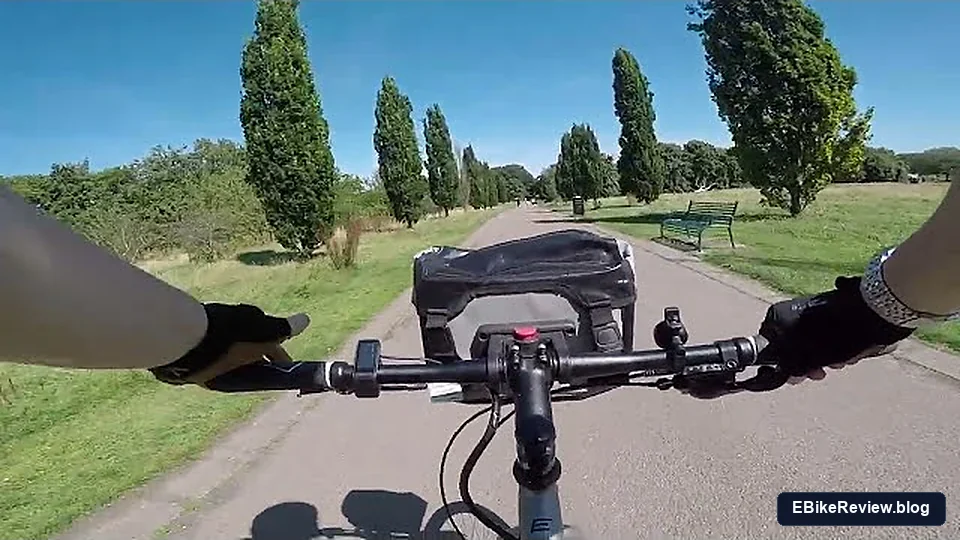
Conversely, the Subway platform incorporates beefier hydroformed tubing to absorb higher torsional loads. If you need alternative motor assistance, check out our best electric bike selections for heavy payloads across uneven pavement surfaces.
Ensuring proper frame alignment remains vital for long-term tracking accuracy and rider safety during high-speed descents. Both models undergo stringent factory stress testing to guarantee compliance with international bicycle safety regulations.
- Parva features a streamlined 6061 aluminum alloy chassis.
- Subway opts for reinforced tubing to handle extra cargo.
- Both frames meet rigorous EN safety standards for cycles.
Urban Commuting Ergonomics
Rider positioning differs significantly between these two models due to distinct headtube angles. The Parva provides a nimble, responsive steering feel, while the Subway offers relaxed, planted tracking at higher speeds.
Selecting the right commuter geometry depends heavily on your typical route profile and personal flexibility preferences. Urban riders tackling tight corners will appreciate the Parva, whereas long-straightway commuters favor Subway stability.
- Upright posture reduces upper body fatigue.
- Adjustable stem heights accommodate diverse rider statures.
Drivetrain Efficiency and Gearing Systems
Drivetrain configuration dictates how efficiently human and motor power translates into forward momentum. The Carrera Parva typically employs a derailleur setup optimized for broad gear ranges, helping riders maintain cadence.
Meanwhile, the Subway integrates robust multi-speed shifting components built to withstand high torque inputs. This mechanical durability ensures reliable gear engagement even under heavy acceleration or steep incline climbs.
Routine drivetrain inspection prevents premature wear on chainrings and cassette cogs across both models. Keeping components clean minimizes frictional losses and preserves smooth shifting action throughout your daily commute.
- Derailleur setups require regular cleaning and precise limit adjustments.
- Integrated gear hubs offer lower maintenance in wet weather.
- Chainline alignment remains critical for minimizing frictional losses.
Power Transfer Mechanics
Crankarm stiffness directly impacts energy loss during aggressive pedal strokes. If you are shopping affordably, evaluate options listed within our best e bikes under 1000 review for durable alloy cranksets.
Maintaining optimal chain tension prevents premature tooth wear across both drivetrain variants. Riders should inspect cassette teeth and chain stretch bi-monthly to preserve crisp, dependable shifting performance over time.
- Stiff bottom brackets improve pedal efficiency.
- Quality chain lubricants reduce friction coefficients.
Braking Performance and Stopping Power
Reliable stopping power is essential for navigating congested urban corridors safely. The Carrera Parva relies on dependable rim or mechanical disc brakes, offering straightforward adjustment and low replacement costs.
In contrast, the Subway frequently upgrades to hydraulic disc brake systems, delivering superior modulation and wet-weather stopping power. Hydraulic calipers self-adjust for pad wear, reducing routine maintenance intervals significantly.
Brake rotor integrity directly influences thermal dissipation during prolonged descents on steep city streets. Always check pad thickness before embarking on wet-weather transit to ensure optimal friction transfer.
- Hydraulic lines require specialized bleeding tools for maintenance.
- Mechanical pads can be adjusted easily with standard hex keys.
- Rotor diameter dictates overall thermal dissipation during long descents.
Wet Weather Safety
Riding in rain introduces severe friction penalties for traditional rim brake setups. Hydraulic disc brakes on the Subway maintain consistent friction coefficients regardless of heavy downpours or road grime accumulation.
Commuters facing frequent wet conditions should prioritize hydraulic configurations for enhanced rider safety. Proper rotor cleaning prevents annoying squeal and ensures optimal friction transfer during emergency braking maneuvers.
- Disc brakes eliminate rim wear from grit.
- Pads require periodic bedding-in after replacement.
Suspension, Tires, and Ride Quality
Comfort over rough urban asphalt depends heavily on tire volume and compliance. For rugged trail versatility, explore our best electric mountain bike rankings featuring nimble, narrower tires that maximize rolling efficiency on smooth pavement.
The Subway often embraces higher-volume tires with puncture-resistant casings, absorbing potholes and debris much more effectively. This increased air volume cushions the rider from sharp impacts and vibrations.
Selecting proper tire pressure balances rolling resistance against comfort across variable urban road surfaces. Tubeless setups can further reduce pinch flats for daily commuters navigating glass-strewn lanes.
- Narrow tires decrease rolling resistance for faster commuting speeds.
- Wider tires improve traction on loose gravel and wet roads.
- Puncture liners prevent costly roadside flats during daily transit.
Vibration Damping and Fatigue
High-frequency vibrations travel up through rigid forks and cause upper body fatigue. Choosing the Subway setup mitigates micro-vibrations thanks to its voluminous rubber footprint and compliant fork design.
Riders prioritizing speed and direct road feedback will prefer the agile Parva character. Balancing comfort against velocity remains a core compromise when selecting between these two commuter platforms.
- Carbon or steel forks absorb chatter better.
- Ergonomic grips reduce hand numbness over long distances.
Electrical Integration and Accessory Mounts
Modern commuters rely on integrated lighting and accessory mounting points for year-round utility. The Carrera Parva provides clean eyelets for fenders and rear racks, supporting versatile cargo configurations easily.
The Subway series often accommodates integrated battery and motor hardware or heavy-duty rack attachments. This makes the Subway particularly attractive for riders hauling heavier loads or running longer errands.
Ensuring secure fastener torque on all accessory mounts prevents rattling and unexpected loosening over rough roads. Inspect rack bolts monthly to maintain structural integrity under load.
- Integrated eyelets ensure secure mounting for full-coverage fenders.
- Heavy-duty racks expand carrying capacity for grocery hauling.
- Cable management prevents snagging during routine folding or storage.
Cargo Capacity and Utility
Maximizing utility requires careful consideration of maximum weight limits across both models. Exceeding manufacturer payload ratings can compromise steering stability and accelerate premature wear on structural components.
Utilizing frame-mounted front baskets shifts weight directly onto the steering axis. Rear-mounted pannier setups maintain better straight-line stability during loaded commuter trips across town.
- Distribute weight evenly across both sides.
- Observe maximum weight limits specified by manufacturers.
Maintenance Schedules and Component Longevity
Long-term ownership costs depend on routine upkeep requirements and part availability. The Carrera Parva uses standard bicycle components, making DIY repairs accessible and replacement parts universally affordable.
Conversely, specialized components on the Subway might require dedicated bicycle shop servicing. However, their industrial-grade build quality often translates to extended replacement intervals under demanding daily use.
Establishing a consistent preventative maintenance habit ensures safe, reliable operation throughout the entire calendar year. Clean your chain and check bolt torques regularly to prevent roadside failures.
- Regular chain lubrication prevents premature cassette tooth wear.
- Brake pad inspections ensure consistent stopping performance year-round.
- Tire pressure checks optimize rolling resistance and prevent pinch flats.
Preventative Upkeep Strategies
Establishing a weekly cleaning routine protects sensitive metal components from road salt corrosion. Removing grime buildup extends the operational lifespan of drivetrains and suspension seals significantly.
Store your commuter bicycle in a dry, temperature-controlled environment whenever possible. Minimizing exposure to moisture prevents rust formation on steel fasteners and chain links.
- Wipe down frames after riding in wet conditions.
- Apply rust inhibitor to exposed hardware periodically.
Final Verdict and Purchasing Strategy
Choosing between these two exceptional commuter options requires evaluating your specific route requirements. The Carrera Parva excels for riders seeking nimble, lightweight handling on well-paved urban pathways.
Meanwhile, the Subway stands out for rugged durability and extra cargo capacity. Budget-conscious riders should browse our best budget electric bike guide to match daily riding conditions with core strengths.
Investing time into researching proper sizing and test riding guarantees long-term satisfaction with your commuter choice. Prioritize the features that align with your daily mileage and weather conditions.
- Assess your daily route for potholes and hill gradients.
- Consider whether you need heavy cargo carrying capabilities.
- Prioritize brake performance if you commute in heavy rain.
Tailoring Your Selection
Test riding both models in person provides the best insight into ergonomic compatibility. Personal preference regarding handlebar height and saddle firmness ultimately dictates your long-term satisfaction.
Invest in quality safety gear and security locks to protect your commuter investment. Proper maintenance guarantees years of reliable service from whichever platform you ultimately select.
- Check frame sizing charts before purchasing online.
- Budget for essential accessories like lights and locks.
Frequently Asked Questions
Which bike handles steep city hills better during daily commutes?
The Subway generally manages steep inclines more effectively due to its robust gearing and sturdy frame construction, making it ideal for hilly urban environments and loaded transit.
Are replacement parts easily accessible for both commuter platforms?
Both brands utilize standard bicycle industry components, ensuring that local bike shops can source replacement parts quickly and maintain your drivetrain without lengthy service delays.
Which model offers better protection against sudden rainy weather?
The Subway usually features superior braking systems and tire clearances, providing much safer stopping performance when torrential downpours transform your daily route into slick asphalt.
Can I attach standard child seats or heavy pannier racks easily?
Yes, both frames feature integrated mounting eyelets designed to support standard rear cargo racks and compatible child safety seats for versatile everyday family utility.
How often should I perform routine maintenance checks on these bikes?
Inspect tire pressure and chain lubrication weekly, while scheduling comprehensive professional brake and gear tune-ups every six months to guarantee optimal operational safety.