Belt Drive vs. Chain Drive Ebike: Which Fits Your Setup Better?
Choosing the right e-bike drivetrain dictates your long-term maintenance overhead and pedaling smoothness. This technical guide contrasts carbon belt systems against traditional steel chains to optimize your daily riding experience.

Commuters seeking zero-grease reliability should choose Belt Drives for ultimate cleanliness. Long-haul utility riders tackling extreme inclines will prefer Chain Drive Ebikes for maximum mechanical efficiency and gear range.
Compare all top models in our Best Electric Bike: Top Commuter Picks for 2026.
Side-by-Side Breakdown
| Criteria | Belt Drive | Chain Drive Ebike | Edge |
|---|---|---|---|
| Peak Performance & Output | High torsional rigidity with zero stretch | Direct engagement across wide gear ratios | Chain Drive Ebike |
| Duty Cycle & Consistency | Maintains tension without requiring lubrication | Requires frequent cleaning and lubrication | Belt Drive |
| Operating Noise & Vibration | Whisper-quiet meshing with carbon teeth | Standard mechanical chain articulation sounds | Belt Drive |
| Portability & Footprint | Requires split frame for belt installation | Standard dropouts simplify frame design | Chain Drive Ebike |
| Maintenance & Service Life | Exceptional longevity spanning thousands of miles | Regular wear items needing periodic replacement | Belt Drive |
| Power Requirements | Optimized for internal gear hub setups | Compatible with standard external derailleurs | Chain Drive Ebike |
| Best Ideal Use-Case | All-weather urban commuting and flat touring | Mountain trail riding and heavy cargo hauling | Tie / Depends on Use |
Drivetrain Architecture and Mechanical Efficiency
Modern electric bicycles rely on precision engineering to transfer motor output efficiently. Understanding how carbon fiber cords interact with internal gear hubs reveals distinct mechanical advantages over standard metal links.
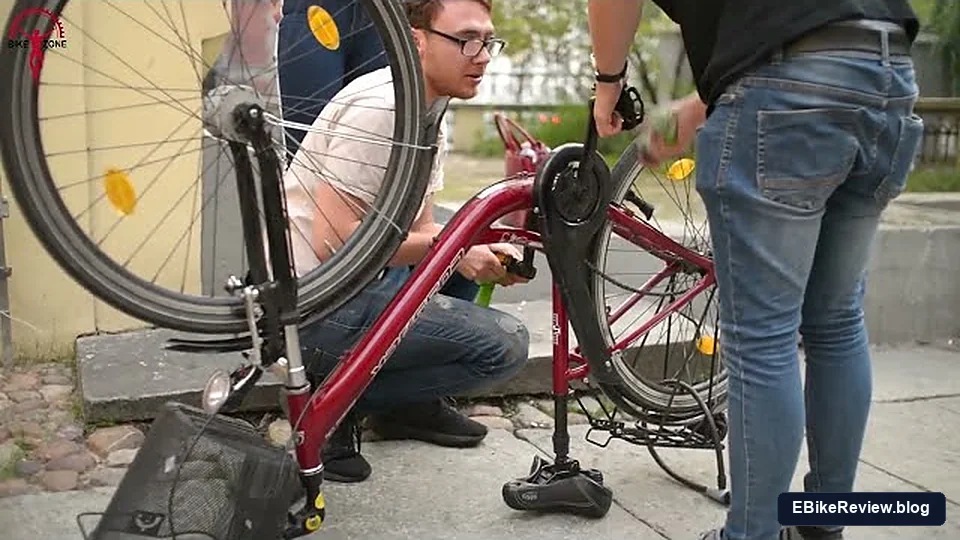
Traditional metal chains, often featured in our best mid-drive ebike under 3000 reviews, use pivoting pins and rollers that flex under heavy loads to maintain a smooth, constant velocity ratio.
- Continuous carbon tensile cords prevent elongation over time.
- Metal links articulate via lubricated pins prone to wear.
- Hub integrations affect overall mechanical resistance significantly.
Internal Hub Integration
Belt systems mandate internal gear hubs because they cannot work with external derailleurs. These sealed units protect internal components from harsh commuting elements, ensuring consistent shifting performance.
Derailleur setups expose shifting mechanisms to roadside debris and impacts. Riders must weigh internal hub weight penalties against the superior protection offered by sealed gearboxes.
- Sealed gearboxes protect internal mechanisms from grit.
- External derailleurs remain vulnerable to roadside impacts.
Maintenance Protocols and Component Longevity
Upkeep requirements form the biggest differentiator between these two prominent drivetrain technologies. Following our how to clean and lubricate ebike chain guide helps riders manage parts replacement and lower total operating costs.
Carbon belts require zero lubrication and repel roadside grime effectively. Conversely, steel chains demand frequent solvent cleaning and wet lubes to prevent rust and premature elongation stretch.
- Belt drives eliminate pant stains and sticky residue entirely.
- Steel chains require weekly degreasing during wet winter months.
- Component lifespans favor belts by a factor of three.
Service Intervals Under Heavy Commuting
Daily urban commuters put immense strain on their bicycle transmission components. Establishing a strict maintenance routine keeps traditional chains operating quietly, whereas belts need only occasional water rinses.
Ignoring chain maintenance leads to rapid cassette wear and skipped gears. Belt users enjoy worry-free operation spanning thousands of miles before noticing any measurable tooth wear.
- Routine water rinses suffice for carbon belt upkeep.
- Neglected chains cause premature cassette degradation.
Power Transfer Dynamics Under Load
High-torque mid-drive motors test the absolute limits of bicycle transmission engineering. When shopping for the best mid-drive ebike under 2000, evaluating how each system handles sudden surge power prevents failures on steep mountain climbs.
Metal chains offer direct, rigid engagement with wide-range gear cassettes. Meanwhile, synchronous belts rely on precise tooth profiling to eliminate slip without sacrificing pedaling responsiveness.
- Chains accommodate extreme cross-chaining angles effortlessly.
- Belts require strict parallel alignment to prevent premature edge wear.
- High-wattage motors test tensile strength limits on both systems.
Torque Handling on Steep Inclines
Climbing steep inclines forces maximum tension through the lower span of your drivetrain. Riders hauling cargo should verify their frame specifications to handle high peak torque loads.
Modern carbon belts easily manage heavy cargo loads when paired with proper tensioning. Traditional chains remain the gold standard for ultra-high wattage hub motor applications.
- Proper tensioning prevents belt ratcheting under high loads.
- Mid-drive motors demand robust drivetrain tensile strength.
Environmental Resistance and Weather Tolerance
Inclement weather accelerates wear across all bicycle mechanical systems rapidly. Selecting materials that resist corrosion and abrasive grit ensures dependable commuting throughout harsh winter seasons.
Rain and salted roads quickly pit steel links and cause abrasive paste buildup. Carbon composite belts shrug off moisture and grit, maintaining smooth operation in freezing rain conditions.
- Polyurethane outer coatings protect tensile fibers from UV damage.
- Nickel-plated chains offer superior rust resistance over standard steel.
- Mud accumulation jams derailleur pulleys faster than hub systems.
Winter Commuting and Road Salt Resilience
Winter riding exposes bicycles to corrosive melting agents and road salt. While chains rust rapidly without daily rinsing, belts remain immune to oxidation and require minimal winter upkeep.
Salt infiltration destroys chain lubricant films, causing squeaking and accelerated friction. Commuters in snowy regions benefit immensely from the weather-sealed nature of belt-driven hubs.
- Road salt destroys unprotected steel pivot pins quickly.
- Carbon belts ignore chemical de-icers and moisture entirely.
Weight Distribution and Frame Integration
Frame geometry must accommodate the unique physical properties of each drivetrain technology. Because continuous belts cannot be broken apart like chains, frames require a split-seatstay design.
Manufacturing split frames introduces complex engineering challenges to maintain rear triangle stiffness. Traditional chain setups attach to standard open dropouts, simplifying overall frame manufacturing processes.
- Split dropouts allow seamless belt installation without cutting the frame.
- Internal gear hubs add unsprung weight to the rear wheel.
- Standard derailleurs keep rear wheel weight exceptionally low.
Frame Modularity and Split Dropouts
Engineering a reliable split-stay frame requires precision CNC machining and hardware. This structural modification ensures the rear triangle maintains rigidity under heavy pedaling forces.
Traditional frames avoid structural hinges, offering proven long-term durability for rough utility riding. Buyers must evaluate frame rigidity tradeoffs before committing to a belt-compatible chassis.
- CNC machined split stays preserve rear triangle stiffness.
- Traditional frames offer universal dropout compatibility.
Replacement Logistics and Repair Complexity
Trailside repairs differ vastly between these two distinct bicycle transmission platforms. Fixing a broken chain requires a simple multi-tool and a spare link, ensuring quick roadside recovery.
Snapping a carbon belt is exceedingly rare, but finding a proprietary replacement on tour is difficult. Standard chain components remain universally available at every local bicycle shop.
- Master links simplify emergency chain repairs during long tours.
- Proprietary belt lengths require exact frame sizing specifications.
- Specialty tools are necessary for proper belt tensioning.
Emergency Repairs and Spare Part Availability
Remote touring cyclists value the universal availability of standard bicycle chains. Carrying a spare quick-link takes zero space and solves most trailside mechanical failures.
Belt failures necessitate carrying exact replacement stock, which complicates long-distance expedition planning. However, their incredible durability makes unexpected failures statistically negligible.
- Standard quick-links fit into any pocket easily.
- Touring expeditions require careful parts planning for belts.
Catalog Selection and Industry Standards
Browsing modern manufacturer catalogs reveals a distinct industry shift toward integrated commuter designs. Premium urban models increasingly feature clean belt transmissions, while rugged mountain bikes prioritize traditional derailleur setups.
Standardization across component categories ensures wide compatibility for replacement chainrings and cassettes. Proprietary belt tooth profiles require careful matching with specific hub manufacturer guidelines.
- Urban categories heavily favor low-maintenance belt systems.
- Mountain categories rely on versatile multi-gear chain configurations.
- Industry standards ensure broad availability for traditional wear items.
Exploring Category Options and Specifications
Exploring the best belt drive electric bike for low maintenance helps buyers align drivetrain choices with riding habits. Commuters prioritize cleanliness and low upkeep, whereas sport riders demand wide gear ratios for steep trail gradients.
Evaluating technical specifications guarantees optimal performance across diverse operating conditions. Trusted industry leaders continue refining both technologies to meet evolving consumer performance expectations.
- Commuter categories prioritize clean belt transmissions.
- Sport categories depend on wide-ratio cassettes.
Frequently Asked Questions
Can I convert my existing chain-drive e-bike into a belt-drive system?
Converting a standard frame is usually impossible without a split-seatstay design. You must purchase a frame built specifically to accept continuous belts.
How long do carbon fiber e-bike belts last compared to steel chains?
Carbon belts easily outlast standard chains by a factor of three. They regularly exceed ten thousand miles under normal commuting conditions.
Do belt drives experience power loss or slipping under heavy loads?
Properly tensioned carbon belts experience zero slippage during operation. They provide immediate engagement that rivals traditional metal chain and cassette setups.
Why are internal gear hubs required when using belt drive systems?
Continuous belts cannot shift laterally across external cogs like derailleurs do. They require sealed internal hubs to change gear ratios safely.
Which drivetrain system performs better in muddy or snowy environments?
Belt drives excel in harsh weather because they do not attract grit. Mud simply sheds off the teeth, ensuring consistent drivetrain performance.