Bbshd vs. Hub Motor: Which Fits Your Setup Better?
Choosing between a mid-drive motor and a direct-drive hub system fundamentally alters your riding experience. Engineering architecture dictates torque delivery, thermal dissipation, and overall drivetrain longevity.

Choose the Bafang BBSHD for extreme off-road climbing and heavy cargo towing. Select a hub motor for low-maintenance commuting and reliable, budget-friendly flat-ground travel.
Compare all top models in our Best Electric Bike: Top Commuter Picks for 2026.
Side-by-Side Breakdown
| Criteria | Bbshd | Hub Motor | Edge |
|---|---|---|---|
| Peak Performance & Output | 1000W nominal with 160Nm torque | 500W to 750W with fixed torque | Bbshd |
| Duty Cycle & Consistency | High thermal stress on long climbs | Reliable flat-ground thermal management | Hub Motor |
| Operating Noise & Vibration | Noticeable internal gear whine under load | Near-silent direct-drive electromagnetic operation | Hub Motor |
| Portability & Footprint | Integrated bottom bracket weight center | Unsprung rear wheel rotational weight | Bbshd |
| Maintenance & Service Life | Accelerated chain and cassette wear | Sealed bearings with minimal drivetrain wear | Hub Motor |
| Power Requirements | Requires robust 48V or 52V batteries | Compatible with standard voltage controllers | Hub Motor |
| Best Ideal Use-Case | Steep mountain trails and heavy cargo | Daily urban commuting and bike paths | Bbshd |
Core Architectural Mechanics and Power Delivery
The Bafang BBSHD replaces your bottom bracket shell with a central powerhouse. It leverages your bicycle gear ratios to multiply torque output across steep inclines.
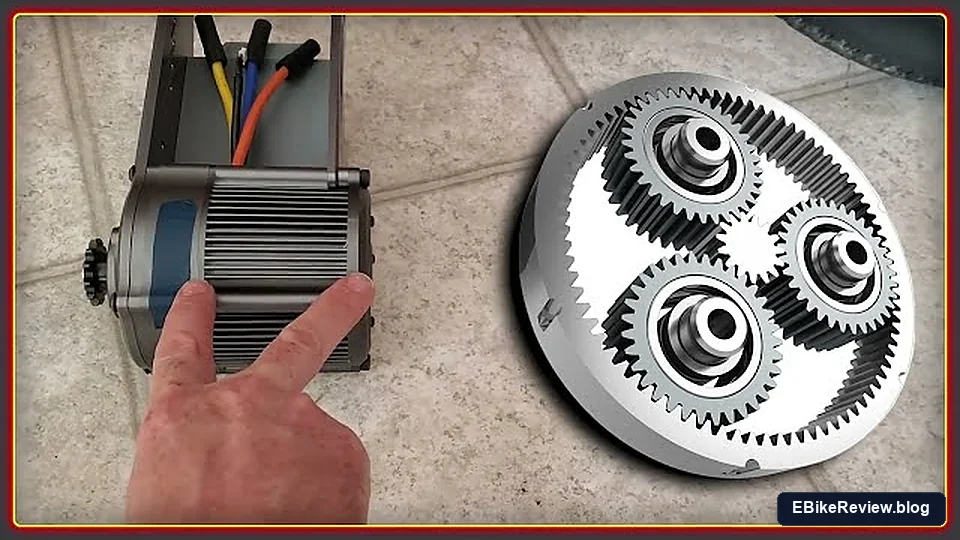
Conversely, hub motors place the electromagnetic stator directly inside the wheel hub. This design bypasses the chain and cassette entirely, delivering direct rotational force to the ground.
Understanding this fundamental layout difference helps riders anticipate how mechanical stress distributes through the frame during heavy acceleration and sudden braking maneuvers.
The Bafang BBSHD utilizes a mid-drive architecture that routes power through the bicycle's mechanical transmissions and gears. This allows the motor to leverage your cassette, maximizing torque multiplication on steep inclines.
Direct-drive and geared hub motors mount directly into the wheel hub, applying rotational force straight to the rim. This bypasses the chain entirely, eliminating drivetrain stress while relying on raw electromagnetic flux for propulsion.
When comparing power delivery, mid-drives excel at low cadence outputs by spinning the internal rotor at high RPMs. Hub motors require forward momentum before reaching peak efficiency, risking thermal overload during heavy accelerations from stops.
- Central motor placement utilizes bicycle gearing for mechanical advantage
- Wheel-mounted hub motors decouple propulsion from the standard chainline
- Torque multiplication allows smaller motors to conquer steep vertical grades
Gearing Integration and Torque Multiplication
Mid-drive systems thrive on mechanical leverage by spinning the chainring directly. Dropping into a lower gear lets the motor maintain high RPMs on steep climbs.
Hub motors spin at a fixed ratio relative to wheel speed, making them less ideal than our best ebike motor for hills guide when tackling steep inclines.
- Gearing optimization keeps motor windings in optimal efficiency zones
- Fixed wheel rotation limits low-speed hill climbing capability
Thermal Dynamics and Continuous Duty Cycles
Managing heat is critical for sustaining high electrical currents over extended periods. Thermal dissipation varies wildly between these two distinct motor topologies.
Mid-drives enclose powerful stators in compact aluminum casings without direct airflow. Prolonged high-amp climbing can trap heat inside the bottom bracket shell.
Hub motors use the outer wheel rim as a massive heatsink in motion. Moving air cools the external rotor shell efficiently during sustained high-speed cruising.
Hub motors trap heat inside sealed aluminum side covers, creating a confined airspace that limits thermal dissipation. Extended climbs at lower speeds can quickly elevate stator temperatures past safe enamel insulation limits.
The BBSHD incorporates an internal primary nylon reduction gear and an aluminum casing that acts as a heatsink. However, continuous high-amp draws still require mindful throttle management to prevent permanent magnet demagnetization.
Geared hub motors manage short bursts exceptionally well, whereas direct-drive units handle continuous high wattage much better if properly paired with external torque arms and adequate ambient cooling airflow.
- Mid-drives rely on internal casing conduction for heat rejection
- Hub motors benefit from active airflow across the outer shell
- Continuous high loads require careful monitoring of controller temperatures
Overheating Risks During Heavy Climbs
Pushing a BBSHD up a mountain trail at low speed reduces cooling airflow. Stator temperatures can spike quickly if rider input does not supplement power.
Geared hub motors face similar thermal limits under heavy loads due to nylon planetary gears. Direct-drive hubs handle heat better but add significant dead weight.
- Low-speed hill crawling creates high thermal stress on mid-drives
- Nylon planetary gears can melt under extreme continuous wattage
Drivetrain Wear, Chainline Physics, and Maintenance
Powering your chain via a central motor subjects components to intense mechanical force. If electrical issues arise instead, consult our ebike hall sensor replacement guide to restore reliable operation.
Standard bicycle chains struggle to handle thousands of watts of combined human and motor force. Snapped chains and sheared teeth are common hazards for aggressive riders.
Hub motors isolate propulsion from the transmission entirely. Your chain experiences only standard human pedaling loads, extending component lifespans significantly across seasons.
Mid-drive motors channel extreme rotational force straight through your bicycle chain, cassette, and chainring. This amplifies mechanical wear, requiring frequent chain replacements and careful monitoring of tensile strength limits.
Hub motors completely isolate propulsion forces from the bicycle chain, allowing your standard drivetrain to experience normal human-powered wear patterns. Consequently, your chain lasts significantly longer without needing heavy-duty upgrades.
Maintaining a BBSHD setup involves periodic greasing of internal nylon reduction gears and checking axle locknuts. Hub systems require zero internal drivetrain maintenance but demand vigilant inspection of spoke tension and wheel trueness.
- Central motors multiply forces running directly through the chain
- Hub setups preserve standard bicycle drivetrain service intervals
- Upgraded heavy-duty chains are mandatory for high-power mid-drives
Long-Term Component Replacement Costs
Riding a high-powered mid-drive means budgeting for frequent cassette and chain replacements. Neglecting these worn parts leads to slipping and poor shifting performance.
Hub motor owners enjoy lower routine maintenance costs for transmission parts. However, servicing a damaged rear wheel motor requires specialized electrical disconnection knowledge.
- Frequent drivetrain replacements increase total ownership expenses
- Rear wheel removal becomes more complex with integrated motor cables
Efficiency Metrics Across Variable Terrains
Energy conversion efficiency dictates your real-world riding range per battery charge. System efficiency fluctuates depending on whether you navigate hills or flats.
Mid-drives achieve peak efficiency by maintaining high motor RPMs through gear shifts. This prevents the motor from bogging down under heavy mechanical loads.
Hub motors excel on flat terrain where constant high speeds keep RPMs elevated. For extreme inclines, choosing the best dual motor electric bike for steep hills solves traction and power issues.
Mid-drive systems excel on steep technical climbs because you can downshift into lower gears, keeping the motor within its optimal RPM range to conserve crucial battery capacity.
Hub motors suffer on prolonged steep inclines because fixed magnetic fields force the stator to draw excessive current at low wheel speeds. This induces high joule heating and severely degrades overall energy efficiency.
On flat pavement and rolling hills, direct-drive hub motors achieve remarkable efficiency due to minimal mechanical resistance. Selecting the right motor matching your local topography prevents premature voltage sag and thermal throttling.
- Gated gear shifting keeps mid-drives operating in sweet spots
- Direct-drive hubs maximize energy return during gentle descents
- Variable terrain punishes fixed-ratio motors with higher amp draws
Range Optimization Strategies
Maximizing range on a mid-drive requires active shifting and cadence management. Keeping your legs spinning fast reduces electrical draw from the battery pack.
Hub motor range optimization relies on maintaining steady cruising speeds. Avoiding heavy stop-and-go traffic preserves battery capacity during daily commutes.
- Cadence discipline saves battery power on mid-drive builds
- Momentum maintenance protects hub motors from excessive heat
Noise Profiles, Vibration, and Stealth Operation
Acoustic feedback shapes how natural or industrial your electric bicycle feels. Operating noise varies dramatically between internal gearboxes and hub stators.
The BBSHD utilizes primary steel reduction gears that produce a distinctive mechanical whine. Under heavy acceleration, this sound profile lets pedestrians know you are approaching.
Hub motors operate with minimal acoustic footprint, especially brushless direct-drive units. They glide silently along pathways without attracting unwanted attention from onlookers.
The Bafang BBSHD produces a distinctive mechanical whimper under heavy loads, primarily generated by its steel gear reduction interacting with the primary nylon gear. This sound increases noticeably during rapid throttle applications.
Geared hub motors emit a soft planetary gear hum, while direct-drive hub motors operate almost completely silently. Their electromagnetic commutation produces barely any noticeable audible signature, making them ideal for stealth riding.
Mid-drives transmit minor vibrations through the bottom bracket shell, whereas heavy hub motors increase unsprung weight, significantly altering suspension response when riding across rough rocky trails.
- Internal steel reduction gears create a noticeable operating whine
- Direct-drive hub motors offer nearly silent electromagnetic propulsion
- Vibration levels depend heavily on mounting security and frame rigidity
Acoustic Signatures Under Load
Listening to a mid-drive under full throttle reveals its industrial heritage. The gear mesh noise increases proportionally with output torque demands.
Hub motors produce a smooth electromagnetic hum that fades into background wind noise. This quiet operation enhances the traditional cycling experience.
- Gear mesh sounds rise alongside increased torque output
- Electromagnetic hum remains subtle at cruising velocities
Weight Distribution and Frame Geometry Impact
How a bicycle handles depends heavily on where heavy metal components reside. Weight distribution dictates cornering agility and obstacle clearance capabilities.
Centralizing motor mass inside the bottom bracket keeps the center of gravity low. This balanced layout preserves natural mountain bike handling characteristics on technical trails.
Placing a heavy motor inside the rear wheel increases unsprung rotational mass. This extra weight affects suspension compliance and makes lifting the rear wheel difficult.
Centering the BBSHD motor low inside the bottom bracket creates an ideal, balanced center of gravity. This preserves natural handling characteristics, allowing for predictable cornering and effortless bunny-hop maneuvers.
Hub motors add substantial weight directly to the wheel axle, heavily increasing unsprung mass. This extra rotational inertia makes the rear end feel sluggish and stresses rear dropouts and stays.
Frame geometry compatibility requires careful measurement before installation. Mid-drives demand specific bottom bracket shell widths and clearance shapes, while hub motors require proper axle spacing to fit standard dropout widths.
- Bottom bracket motor placement optimizes bike balance and agility
- Rear wheel hub motors add undesirable unsprung suspension weight
- Handling dynamics shift noticeably when tackling rough obstacles
Suspension Performance and Handling
Full-suspension frames benefit greatly from mid-drive motor configurations. Rear shocks track ground contours accurately, especially after you follow our bafang mid drive programming guide for optimal power delivery.
Rear hub motors overwhelm rear suspension linkages on aggressive mountain descents. The added unsprung weight forces shocks to work harder over bumps.
- Unsprung hub weight degrades rear suspension tracking sensitivity
- Mid-drive layouts maintain factory suspension kinematics cleanly
Selecting the Ideal System for Your Specific Workload
Choosing the right propulsion system requires an honest assessment of your routes. Workload matching ensures your investment delivers reliable, frustration-free daily performance.
Cargo haulers and trail riders benefit immensely from the unstoppable torque of a mid-drive. Navigating backcountry fire roads demands the mechanical advantage found here.
Urban commuters and casual path riders find unmatched simplicity in hub motors. Their set-and-forget reliability requires minimal wrenching between seasonal maintenance checks.
Choose the BBSHD if your regular riding involves technical singletrack, steep mountain gradients, and demanding situations requiring torque multiplication through your bicycle's mechanical gear ratios.
Select a robust hub motor setup if you primarily commute on paved flat roads, prefer a lower maintenance schedule, and desire reliable throttle-only operation without straining your drivetrain components.
Evaluating your typical terrain, cargo hauling expectations, and mechanical aptitude ensures you deploy the right engineering solution, avoiding premature component failure and maximizing your overall riding enjoyment.
- Cargo hauling and steep trail riding favor mid-drive torque
- Urban commuting and flat bike paths suit hub motor simplicity
- Assess your local topography before finalizing your drivetrain setup
Final Decision Framework for Builders
If you enjoy tuning chains and conquering mountains, build a mid-drive. The reward is unmatched climbing power and balanced handling dynamics.
If you want a dependable commuter that starts every morning without fuss, choose a hub motor. Enjoy peaceful, low-maintenance rides across town.
- Mid-drives reward enthusiastic tinkerers and trail explorers
- Hub motors provide dependable service for everyday commuters
Frequently Asked Questions
Can I install a BBSHD on any standard bicycle frame?
The BBSHD fits standard 68mm to 120mm bottom bracket shells. Frame geometry clearance around the chainstays must be verified before purchasing.
Why do hub motors struggle on steep mountain trails?
Hub motors lack gear reduction to maintain high RPMs at low speeds. Thermal overload occurs quickly when climbing steep grades slowly.
Do hub motors offer regenerative braking capabilities?
Direct-drive hub motors support regen braking to recover battery energy. Geared hub models use internal clutches that prevent energy regeneration entirely.
How does mid-drive motor placement affect bike handling?
Centralizing weight at the bottom bracket preserves natural balance. Unsprung weight is avoided, keeping suspension responsive on rough terrain.
Which motor type requires less everyday maintenance?
Hub motors require very little routine drivetrain maintenance overall. Sealed bearings and isolated designs keep service intervals exceptionally long.