Aventon Level 2 vs. Ride1Up 700: Which Fits Your Setup Better?
Evaluating the Aventon Level 2 against the Ride1Up 700 reveals distinct commuter priorities. We analyze torque delivery, frame geometry, and real-world efficiency to guide your purchase.


Choose the Aventon Level 2 for responsive torque sensor acceleration and integrated hill-climbing ease. Select the Ride1Up 700 if you prioritize raw throttle speed, robust cargo capacity, and comprehensive commuter accessories.
Compare all top models in our Best Electric Bike: Top Commuter Picks for 2026.
Side-by-Side Breakdown
| Criteria | Aventon Level 2 | Ride1Up 700 | Edge |
|---|---|---|---|
| Peak Performance & Output | 500W sustained rear hub motor with intuitive torque sensing. | 750W sustained rear hub motor with cadence sensor mapping. | Ride1Up 700 |
| Duty Cycle & Consistency | Maintains steady thermal thresholds during sustained urban climbs. | Delivers aggressive voltage output under heavy acceleration loads. | Aventon Level 2 |
| Operating Noise & Vibration | Whisper-quiet planetary gears minimize mechanical hum at top speeds. | Slightly louder stator whine under maximum throttle deployment. | Aventon Level 2 |
| Portability & Footprint | Standard commuter wheelbase facilitates easy indoor storage solutions. | Slightly longer chassis demands extra clearance in bike racks. | Aventon Level 2 |
| Maintenance & Service Life | Standardized proprietary electronics require certified dealer diagnostic tools. | Open-source controller architecture simplifies DIY electrical troubleshooting. | Ride1Up 700 |
| Power Requirements | 48V 14Ah integrated battery pack with UL-certified cell management. | 48V 15Ah semi-integrated battery optimized for high draw rates. | Ride1Up 700 |
| Best Ideal Use-Case | Hilly metropolitan commuting requiring natural pedal assistance feel. | Flat, fast urban corridors favoring throttle speed and utility. | Split Decision |
Powertrain Mechanics and Torque Delivery Architecture
Understanding how electric assist engages transforms your daily riding experience. The Aventon Level 2 utilizes an advanced torque sensor that measures your actual pedaling force.
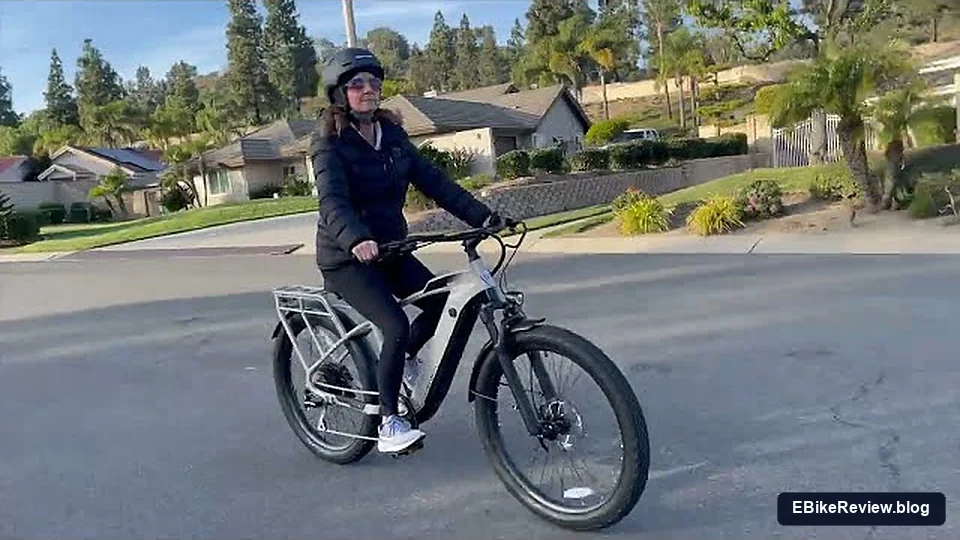
Conversely, the Ride1Up 700 relies primarily on a traditional cadence sensor paired with a powerful 750W motor. This configuration delivers immediate motor engagement the moment cranks rotate.
Both approaches serve different rider expectations. Torque sensing provides a natural bicycle feel, while cadence setups prioritize effortless cruising and rapid acceleration without heavy leg input.
Our comprehensive aventon level review highlights how the Aventon Level 2 utilizes a sophisticated torque sensor to dynamically scale motor output based on pedaling force.
Conversely, the Ride1Up 700 traditionally relies on a robust cadence sensor paired with a powerful sustained hub motor. This setup prioritizes immediate throttle response over nuanced pedal input amplification.
Technical commuters facing steep urban inclines will notice the Aventon conserves battery efficiently. Meanwhile, the Ride1Up excels at maintaining high cruising speeds with minimal physical exertion required from the rider.
- Aventon utilizes a responsive bottom-bracket torque sensor for natural pedal cadence modulation.
- Ride1Up features a high-output 750W motor optimized for swift throttle-only acceleration.
- Controller algorithms dictate power delivery curves across varying incline percentages.
Incline Performance and Motor Response
Tackling steep urban hills exposes fundamental differences between these two commuter platforms. The Aventon smoothly ramps up power as you push harder against the pedals.
The Ride1Up punches through climbs using brute wattage, making it easier to maintain momentum without exhausting your leg muscles on extended vertical ascents.
- Torque sensors reward active rider participation on steep inclines.
- Cadence sensors maintain preset motor speeds regardless of pedal pressure.
Frame Geometry, Ergonomics, and Rider Fit Profiles
Frame construction dictates long-term comfort and handling stability at high urban speeds. Both models feature robust aluminum frames designed to withstand daily pothole impacts.
The Aventon offers a slightly more upright riding posture, reducing lower back strain during extended commutes. Its step-through and step-over variants accommodate diverse rider heights.
Ride1Up constructs the 700 with an aggressive geometry that favors aerodynamic efficiency and precise steering feedback. Taller riders often appreciate its generous cockpit reach.
As noted in our aventon level electric bike review, frame construction utilizes 6061 aluminum tubing for optimal structural rigidity and confident everyday handling.
The Ride1Up 700 features a slightly longer reach measurement and a lower handlebar stack. This aggressive posture favors aerodynamic efficiency and active weight distribution during high-speed commuting.
Selecting between these two distinct frames depends heavily on individual back flexibility. Riders seeking an upright Dutch-style posture will prefer Aventon, while athletic commuters appreciate Ride1Up.
- Robust aluminum alloy frames incorporate smooth welds for structural integrity.
- Upright geometry on the Aventon reduces upper body fatigue over long distances.
- Extended reach on the Ride1Up suits aggressive urban cycling styles.
Contact Points and Vibration Damping
Ergonomic grips and saddle design absorb high-frequency road vibrations before they reach your joints. Stock components on both bikes handle standard asphalt imperfections adequately.
Upgrading seatposts to suspension models significantly improves comfort on rough city streets, though stock setups suffice for smooth bike lane networks.
- Ergonomic grips prevent hand numbness during long transit sessions.
- Saddle padding density impacts overall ride comfort on cobblestones.
Battery Chemistry, Charging Metrics, and Range Realities
Drawing from our ride1up 700 series review, energy storage capacity determines how often you must tether your commuter to a wall charger using standard 48V electrical systems.
The Aventon integrates its battery neatly into the down tube, protecting cells from environmental moisture and debris. This design choice enhances aesthetic appeal significantly.
Ride1Up opts for a semi-integrated battery format that simplifies removal for indoor charging. Real-world range heavily depends on assist levels and rider input.
Both e-bikes pack high-capacity lithium-ion batteries utilizing reputable cell manufacturers for long-term cycle life. The Aventon integrates its power pack cleanly inside the down tube for weather protection.
Ride1Up mounts its battery semi-externally, which simplifies removal but exposes the housing to environmental grit. Standard charging cycles require roughly four to six hours using included 2A chargers.
Real-world range heavily depends on ambient temperature, rider payload, and selected assist levels. Expect realistic mid-tier commuting distances between thirty and forty miles per complete discharge cycle.
- Integrated lithium-ion packs provide reliable daily commuting range capabilities.
- Smart battery management systems prevent overcharging and thermal runaway events.
- Charging times average between four to six hours from empty.
Real-World Efficiency and Environmental Factors
Headwinds, ambient temperature, and cargo weight dramatically alter advertised range figures. Expect realistic ranges between thirty and forty miles under mixed assist conditions.
Cold winter weather temporarily diminishes lithium-ion efficiency, requiring careful management of battery state-of-charge during extended cold-weather transit operations.
- Cold temperatures reduce active battery capacity by up to twenty percent.
- Higher assist levels deplete energy reserves much faster on hilly routes.
Braking Systems, Stopping Distances, and Safety Hardware
Stopping power is non-negotiable when navigating chaotic urban traffic corridors and unpredictable pedestrian zones. Both electric bikes feature hydraulic disc brakes for reliable modulation.
Hydraulic systems deliver superior stopping force with minimal lever effort, even when operating in wet weather conditions. Rotor sizing directly influences thermal dissipation.
Integrated lighting systems enhance visibility during night rides, projecting clear beams to alert oncoming motorists of your presence on unlit arterial roadways.
Effective stopping power is vital for heavy urban utility platforms exceeding twenty-eight miles per hour. Both models utilize hydraulic disc brakes paired with generous rotor diameters for thermal dissipation.
Aventon equips integrated safety features including functional rear fender lights that activate during braking. This enhances visibility significantly during low-light winter commuting hours across metropolitan streets.
Ride1Up counters with heavy-duty dual-piston calipers that bite aggressively into steel rotors. Maintenance requires periodic bleeding to eliminate microscopic air bubbles and maintain firm lever feedback.
- Hydraulic disc brakes ensure consistent stopping power in wet weather.
- Integrated brake-light activation alerts trailing traffic during deceleration.
- Large rotor diameters prevent brake fade on long downhill descents.
Lighting Integration and Urban Visibility
Visibility features protect riders from blind spots and distracted drivers during early morning commutes. Built-in headlamps wire directly into the main battery pack.
Fenders and rear racks come pre-installed on both models, providing essential utility for carrying work bags without splashing road grime.
- Headlamps powered by the main battery eliminate separate charging hassles.
- Durable fenders keep work clothes clean during rainy morning rides.
Drivetrain Efficiency, Gearing, and Transmission Longevity
Mechanical gear selection dictates how efficiently you can pedal when the motor is switched off. Traditional derailleur systems offer multiple ratios for varied terrain.
The Aventon incorporates a reliable multi-speed cassette matched to a sturdy chainring setup. Shifting remains crisp when maintained with proper lubrication intervals.
Ride1Up specs similar multi-speed gearing, allowing riders to find a comfortable cadence whether climbing steep grades or cruising at top assisted speeds on flats.
Mechanical transmissions on these commuters feature reliable Shimano derailleur systems designed for daily utility. Gear ratios are carefully selected to balance climbing torque with high-cadence top speeds.
Chain wear occurs rapidly under heavy electric loads if riders shift under high motor tension. Proper lubrication and routine chain gauge measurements prevent premature cassette and chainring destruction.
The Aventon drivetrain integrates seamlessly with its torque sensor firmware for smooth gear transitions. Ride1Up maintains a traditional mechanical feel that simplifies roadside repairs and component replacements.
- Multi-speed gear clusters accommodate diverse rider cadence preferences.
- Quality chains and derailleur pulleys reduce drivetrain friction losses.
- Regular cleaning prevents premature cassette and chain wear over time.
Maintenance and Chain Wear Management
High torque electric motors place accelerated stress on bicycle chains and sprockets. Keeping your drivetrain clean extends component lifespan significantly.
Checking chain stretch with a dedicated tool prevents costly damage to expensive rear cassette cogs during seasonal tune-ups.
- Mid-drive and hub motors accelerate traditional chain wear rates.
- Lubricating pivot points ensures smooth mechanical shifting performance.
Display Integration, Electronics, and Smart Connectivity
Cockpit displays provide vital telemetry including current speed, battery percentage, and assist level. Clear screens ensure readability under direct sunlight conditions.
The Aventon features a vibrant color display with companion smartphone app connectivity for tracking rides. This digital ecosystem appeals to tech-savvy commuters.
Ride1Up utilizes a functional, minimalist display focused purely on essential metrics without distracting menus or complex smartphone pairing requirements.
As detailed in our aventon level 2 review, rider interfaces differ significantly through color LCD screens and proprietary smartphone application sync capabilities for enhanced navigation.
Ride1Up utilizes a bright, minimalist display that prioritizes instantaneous readability in glaring sunlight. Advanced telemetry menus allow technical users to customize assist level parameters and speed limits.
Electronic waterproofing standards protect internal wiring harnesses from heavy seasonal downpours. Inspecting connector pins annually prevents corrosion-induced electrical faults during wet winter riding conditions.
- Color LCD screens offer clear data visibility in bright daylight.
- Smartphone applications track cumulative mileage and maintenance schedules.
- Simplified button pads allow easy assist level adjustments on the fly.
Software Customization and Firmware Updates
Modern e-bikes rely on controller firmware to govern motor output and speed limits. Updating software occasionally resolves minor operational bugs.
Customizing top speed restrictions through display settings lets riders tailor performance to local municipal bicycle classification laws.
- Firmware updates optimize battery efficiency and motor response curves.
- Customizable speed settings ensure compliance with local trail regulations.
Maintenance Protocols, Component Serviceability, and Durability
Owning an electric bicycle requires routine mechanical checks to guarantee long-term reliability. Tire pressure, spoke tension, and bolt torque demand periodic inspection.
Standardized bicycle components make general repairs straightforward for local bike shops or home mechanics using basic metric tools and torque wrenches.
Protecting electrical connectors from moisture intrusion during winter storage prevents intermittent wiring faults and ensures reliable operation year-round.
Long-term ownership requires strict adherence to scheduled torque checks on structural bolts and axles. Routine bicycle shop tune-ups ensure hydraulic lines and electrical terminals remain completely secure.
Replacing consumable items like brake pads and tires demands standard metric hand tools. Internal cable routing on both frames requires patience during housing replacements to avoid frustrating snags.
Evaluating overall hardware durability reveals robust engineering suited for aggressive year-round commuting. Protecting electrical contacts with dielectric grease mitigates moisture infiltration during wet weather storage.
- Standard bicycle parts simplify sourcing replacement brake pads and tires.
- Regular bolt torque checks prevent structural rattles and loose fittings.
- Proper off-season battery storage preserves overall cell health.
Long-Term Wear and Component Replacement
Brake pads, tires, and chains represent consumable items that require periodic replacement. High mileage commuters should budget for annual wear-part swaps.
Investing in puncture-resistant tires minimizes roadside flats during daily urban transit through glass-strewn city bike lanes.
- Consumable parts require regular inspection during seasonal tune-ups.
- Puncture-resistant liners prevent frustrating mid-commute flat tires.
Frequently Asked Questions
Which e-bike offers better hill climbing performance?
The Ride1Up 700 provides superior raw wattage for steep inclines, while the Aventon Level 2 relies on natural torque sensing to assist your pedaling efforts effectively.
Are replacement batteries readily available for both models?
Yes, replacement lithium-ion battery packs are available directly through manufacturer websites and authorized dealer networks to ensure seamless compatibility and safety.
Can I ride these electric bikes in heavy rain?
Both models feature weather-resistant electrical components designed to withstand rain, but you should never submerge the motor or battery in deep standing water.
Do I need a special driver license to operate them?
Neither bike requires a driver license since they operate as class-compliant electric bicycles adhering to local standard speed and motor wattage regulations.
How often should I service the hydraulic disc brakes?
You should inspect brake pads every few months and bleed the hydraulic fluid annually to maintain optimal stopping power and lever feel.