500W vs. 750W Ebike: Which Fits Your Setup Better?
Analyzing motor output, thermal efficiency, and mechanical durability helps determine whether a moderate or high-wattage propulsion system suits your daily commuting workload. Understanding these engineering fundamentals prevents premature component wear.

The 500W system wins for lightweight efficiency and flat-terrain range, while the 750W Ebike dominates steep climbs and heavy cargo hauling.
Compare all top models in our Best Electric Bike: Top Commuter Picks for 2026.
Side-by-Side Breakdown
| Criteria | 500W | 750W Ebike | Edge |
|---|---|---|---|
| Peak Performance & Output | Moderate continuous torque delivery | Aggressive acceleration and peak power | 750W Ebike |
| Duty Cycle & Consistency | Lower thermal generation under load | Higher heat dissipation requirements | 500W |
| Operating Noise & Vibration | Quieter electromagnetic signature | Noticeable harmonic hum at peak draw | 500W |
| Portability & Footprint | Lighter overall structural mass | Heavier motor and controller casing | 500W |
| Maintenance & Service Life | Reduced stress on drivetrain gears | Accelerated chain and sprocket wear | 500W |
| Power Requirements | Conservative amp draw preserves cells | Heavy discharge taxes battery capacity | 500W |
| Best Ideal Use-Case | Flat urban commuting and touring | Hilly terrain and cargo hauling | 750W Ebike |
Core Power Architecture and Torque Delivery
Electric propulsion systems rely on electromagnetic induction to convert electrical energy into mechanical rotation. A 500W motor typically operates at lower continuous amperages, reducing thermal stress on internal stator windings.
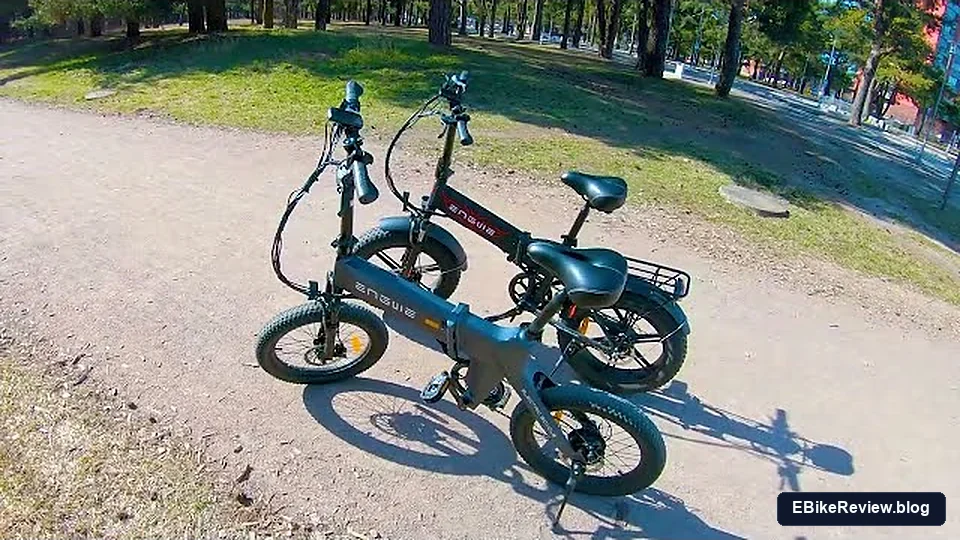
Conversely, stepping up to a 750W motor platform increases magnetic flux density and winding thickness. This architectural shift allows the hub or mid-drive unit to sustain higher peak currents without immediate thermal throttling.
Understanding the fundamental electrical architecture reveals how a 500W motor typically operates on a 48-volt system drawing around 10.4 amps of continuous current, limiting immediate acceleration on steep inclines.
Stepping up to a 750W motor configuration pushes continuous current draw closer to 15.6 amps, which significantly increases electromagnetic flux density and delivers superior rotational torque for demanding terrain applications.
- 500W systems prioritize moderate continuous torque output for efficient flat-land cruising.
- 750W configurations deliver aggressive acceleration curves demanded by steep urban gradients.
- Stator lamination thickness dictates overall electromagnetic conversion efficiency under load.
Mid-Drive vs Hub Motor Torque Amplification
Mid-drive configurations leverage mechanical gear ratios to multiply torque output exponentially. Pairing this mechanical advantage with a 500W rating yields exceptional climbing capability without excessive electrical draw.
Hub motor variants rely entirely on direct electromagnetic force applied to the wheel assembly. A 750W hub setup compensates for this lack of gear reduction by simply forcing raw wattage through the axle.
- Mid-drives utilize existing bicycle gear sets for optimal mechanical advantage.
- Direct-drive hub motors offer fewer moving parts for superior mechanical longevity.
Thermal Dynamics and Efficiency Profiles
Managing waste heat is critical for maintaining long-term motor health and preventing permanent demagnetization of neodymium magnets. A 500W setup naturally generates fewer calories during sustained operation.
Higher wattage platforms push current densities closer to thermal saturation thresholds during heavy acceleration. Engineers must incorporate thicker aluminum casing fins on a 750W system to dissipate accumulated heat effectively.
During sustained hill climbs typical of any best ebike mountain bike pick, a 500W hub motor manages thermal dissipation adequately if winding resistance stays low, preventing premature stator degradation.
Conversely, a 750W system generates higher internal heat loads, requiring cast-aluminum cooling fins and thicker copper stator windings to prevent permanent magnet demagnetization during extended high-output intervals.
- Excessive heat buildup degrades copper winding insulation over extended usage periods.
- Lower wattage draws result in cooler operating temperatures and extended component life spans.
- External ambient temperatures significantly impact high-wattage thermal regulation capabilities.
Controller Thermal Cutoffs and Protection
Motor controllers monitor internal MOSFET temperatures to prevent catastrophic electrical meltdowns during punishing climbs. A 500W controller rarely triggers safety cutoffs under standard commuting workloads.
Higher-output units frequently engage thermal throttling protection when pushed continuously on extended inclines. Riders utilizing a 750W system must manage throttle inputs carefully during prolonged heavy loads.
- MOSFET failure is the primary cause of sudden electronic speed controller shutdowns.
- Advanced controllers modulate current delivery dynamically based on real-time sensor telemetry.
Structural Integrity and Weight Distribution
Adding electrical propulsion components alters the baseline mass distribution of any traditional bicycle frame significantly. A 500W motor assembly keeps overall chassis weight closer to standard human-powered bicycles.
The heavier copper windings and reinforced casings required for high outputs increase rotational inertia. Frames housing a 750W ebike setup found in our best hunting ebike roundup demand heavier-gauge aluminum tubing.
Frame geometry must compensate for varying motor weights, as a heavier 750W geared hub adds noticeable rear-end bias requiring reinforced dropouts and thicker aluminum tubing specifications.
Lighter 500W setups reduce unsprung mass at the rear axle, improving suspension compliance and making the bicycle significantly easier to maneuver during tight cornering maneuvers.
- Unsprung weight at the rear axle affects suspension compliance and overall ride comfort.
- Reinforced dropouts prevent frame fatigue caused by intense rotational torque twisting forces.
- Lighter chassis designs improve handling agility in tight urban traffic environments.
Battery Chemistry and Range Realities
Lithium-ion power packs serve as the electrochemical heart of modern electric bicycles and dictate practical operating ranges. Drawing continuous energy from a 500W load preserves individual cell health over time.
Pushing high discharge rates to feed a 750W motor accelerates internal chemical aging and reduces total mileage per charge. Cell voltage sag becomes much more pronounced during aggressive acceleration profiles.
Battery pack longevity depends on discharge rates, where running a 750W motor strains standard 18650 lithium-ion cells through higher C-rates, accelerating capacity fade over multi-year cycles.
A conservative 500W power draw often seen in any best lightest commuter ebike selection preserves pack health by demanding less chemical stress from cells, yielding predictable range output and cooler operating temperatures.
- Higher amp-hour battery capacities are mandatory to achieve acceptable range on high-wattage builds.
- Cell chemistry quality determines how well a pack handles high discharge current demands.
- Voltage sag under heavy loads temporarily reduces available system power output.
Regulatory Classifications and Legal Frameworks
Municipal and federal transportation laws strictly categorize electric bicycles based on continuous nominal power ratings. A 500W configuration often bridges the gap between traditional class structures and specialized utility vehicles.
Many jurisdictions cap standard bicycle lanes at lower thresholds, meaning a 750W ebike chosen from our best commuter ebike guide may face tighter regional restrictions. Riders must verify local enforcement policies.
Navigating municipal trail access requires understanding that a 750W e-bike often exceeds Class 2 and Class 3 limits in foreign jurisdictions, restricting usage to designated off-road motorized vehicle trails.
Compliance is simpler with a 500W motor because it comfortably meets strict international wattage caps, allowing unrestricted access on multi-use pathways and standard urban bicycle lanes.
- Federal guidelines often limit throttle-only operation speeds to twenty miles per hour.
- Class 3 designations permit higher pedal-assist velocities but restrict pure motor engagement.
- Local municipal bylaws supersede broad national standards regarding multi-use path access.
Maintenance Protocols and Long-Term Durability
Routine servicing ensures mechanical safety and prevents costly premature component replacements across the entire drivetrain. A 500W system places minimal stress on bicycle chains, cassettes, and rear derailleurs.
High torque outputs from a 750W ebike rapidly accelerate mechanical wear on moving transmission parts. Frequent chain stretching and cassette tooth rounding require diligent preventative maintenance intervals.
Routine servicing for a 750W drivetrain demands frequent inspection of nylon planetary gears, chain stretch, and heavy-duty brake rotor thickness due to increased kinetic energy dissipation.
Maintenance intervals for 500W systems are generally less intensive, reducing wear rates on drivetrain components and lowering long-term replacement costs for casual daily commuters.
- High-wattage motors demand stronger bicycle chains rated for mid-drive torque spikes.
- Regular spoke tension checks prevent wheel truing issues caused by heavy hub motor masses.
- Brake pad wear increases substantially when stopping heavier, high-output electric platforms.
Frequently Asked Questions
Can I upgrade a 500W ebike to 750W easily?
Upgrading typically requires replacing the motor, controller, and wiring harness simultaneously. This modification is rarely cost-effective compared to purchasing a dedicated platform.
Which option offers better battery range for commuting?
The lower energy draw makes the 500W option significantly more efficient for daily mileage. Higher wattage systems drain power much faster under acceleration.
Are 750W ebikes legal on all bike paths?
Many pedestrian pathways and shared trails restrict higher-output vehicles for safety reasons. You should check local municipal laws before riding on mixed-use paths.
How does motor weight impact handling and transport?
Heavier components make high-wattage models harder to load onto vehicle racks. Choosing a lighter setup ensures superior maneuverability during everyday handling tasks.
Do high-wattage motors require special maintenance attention?
High-output systems accelerate drivetrain wear through sheer mechanical stress. Routine inspections of chains and brake pads are essential for safe operation.